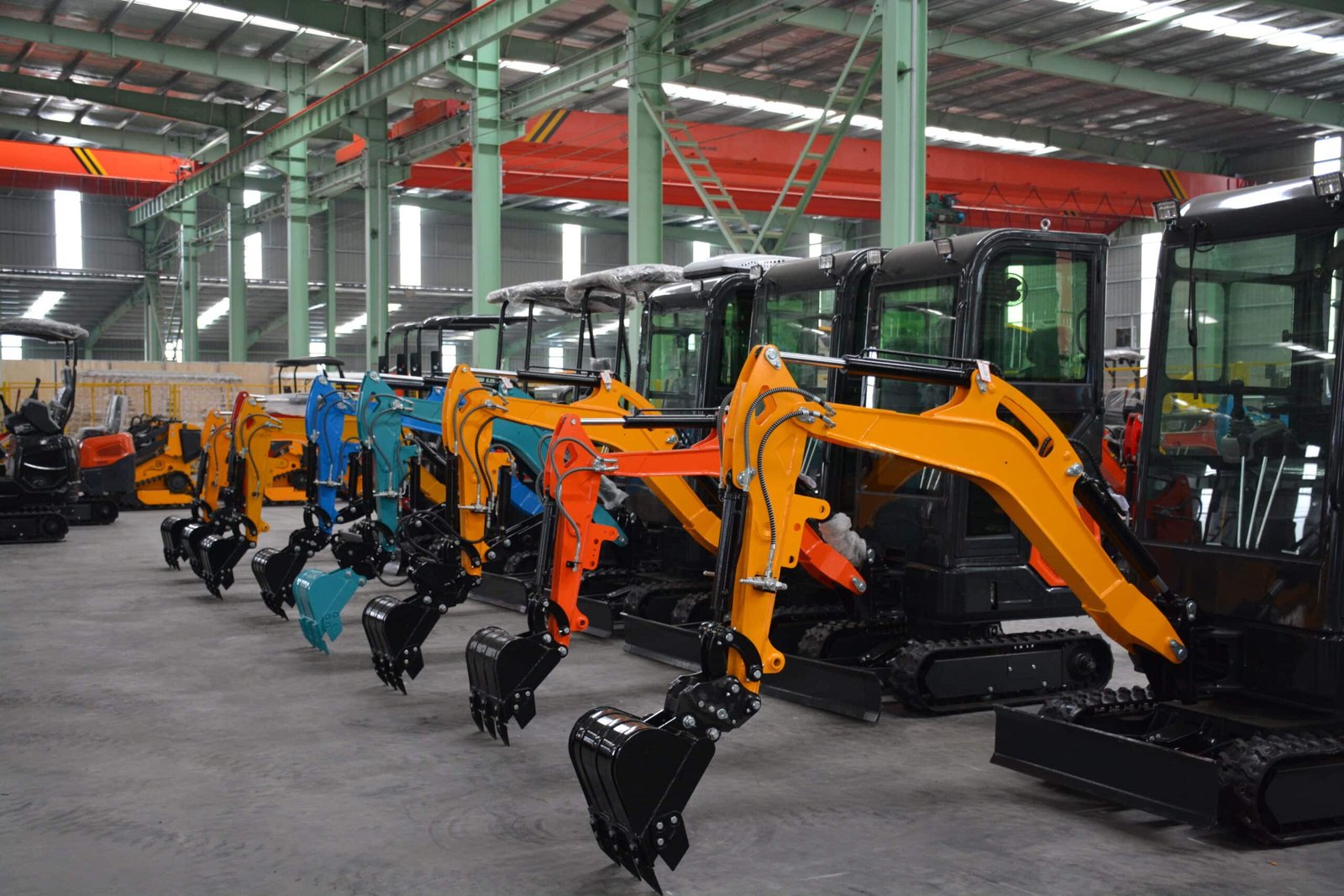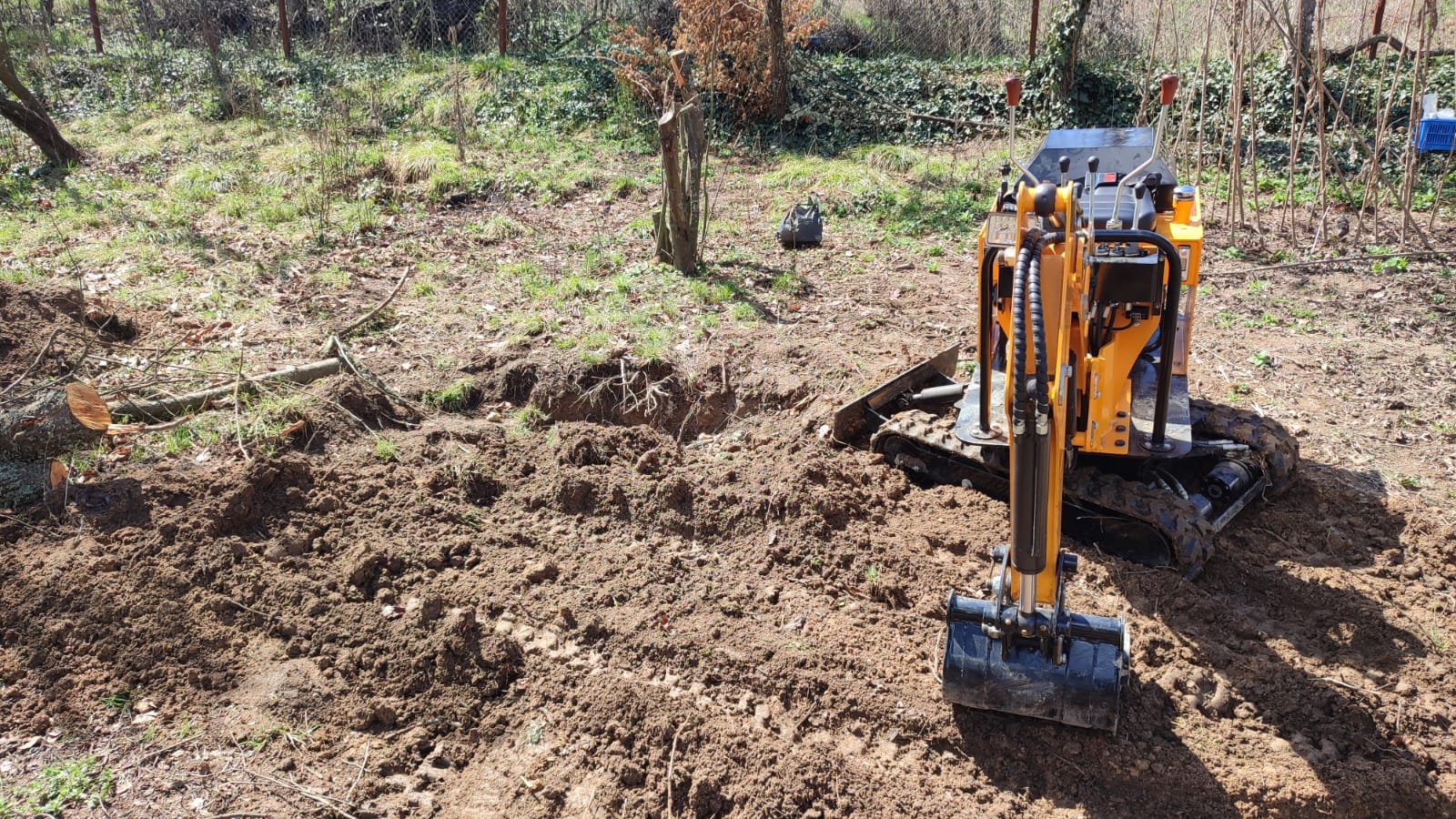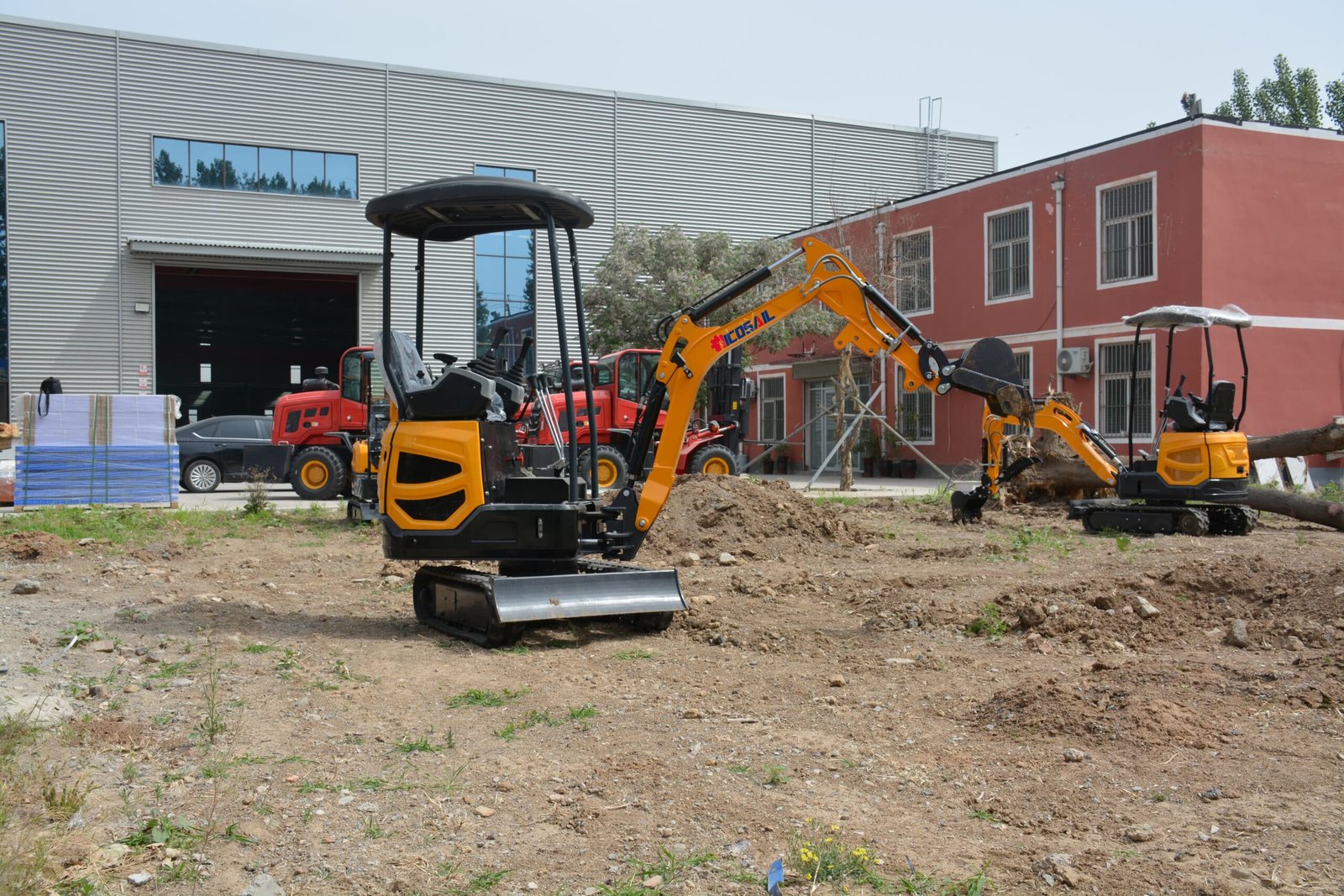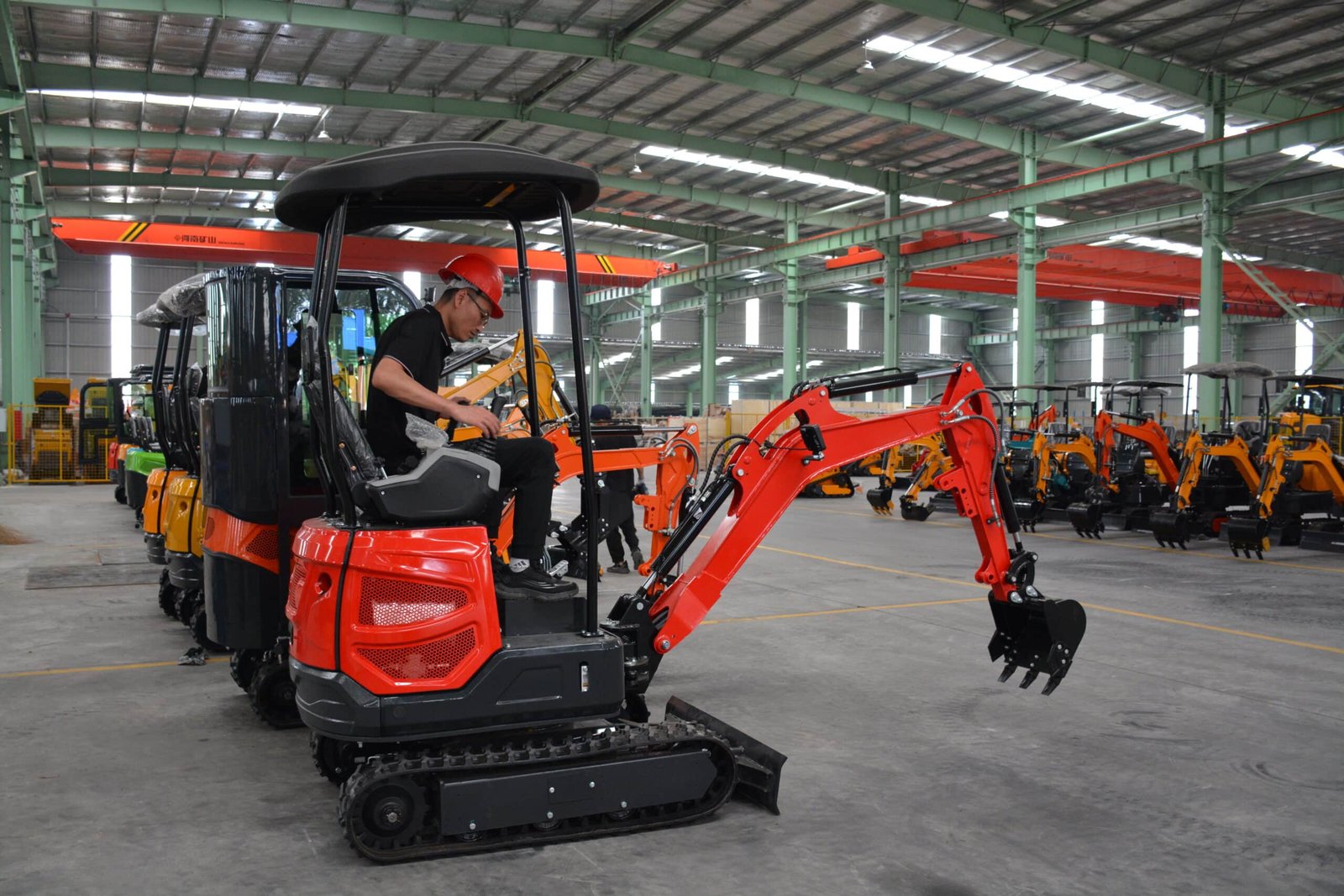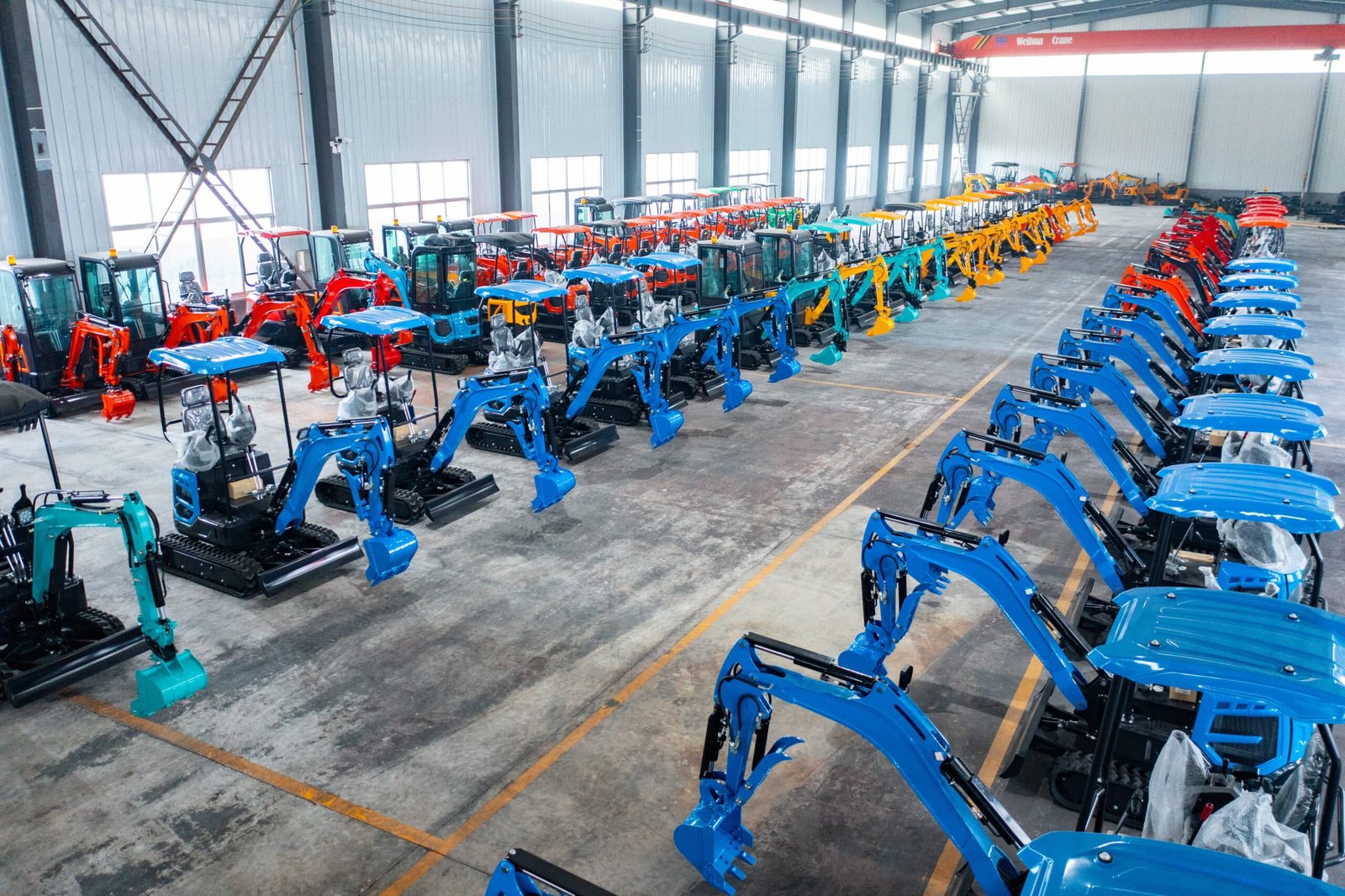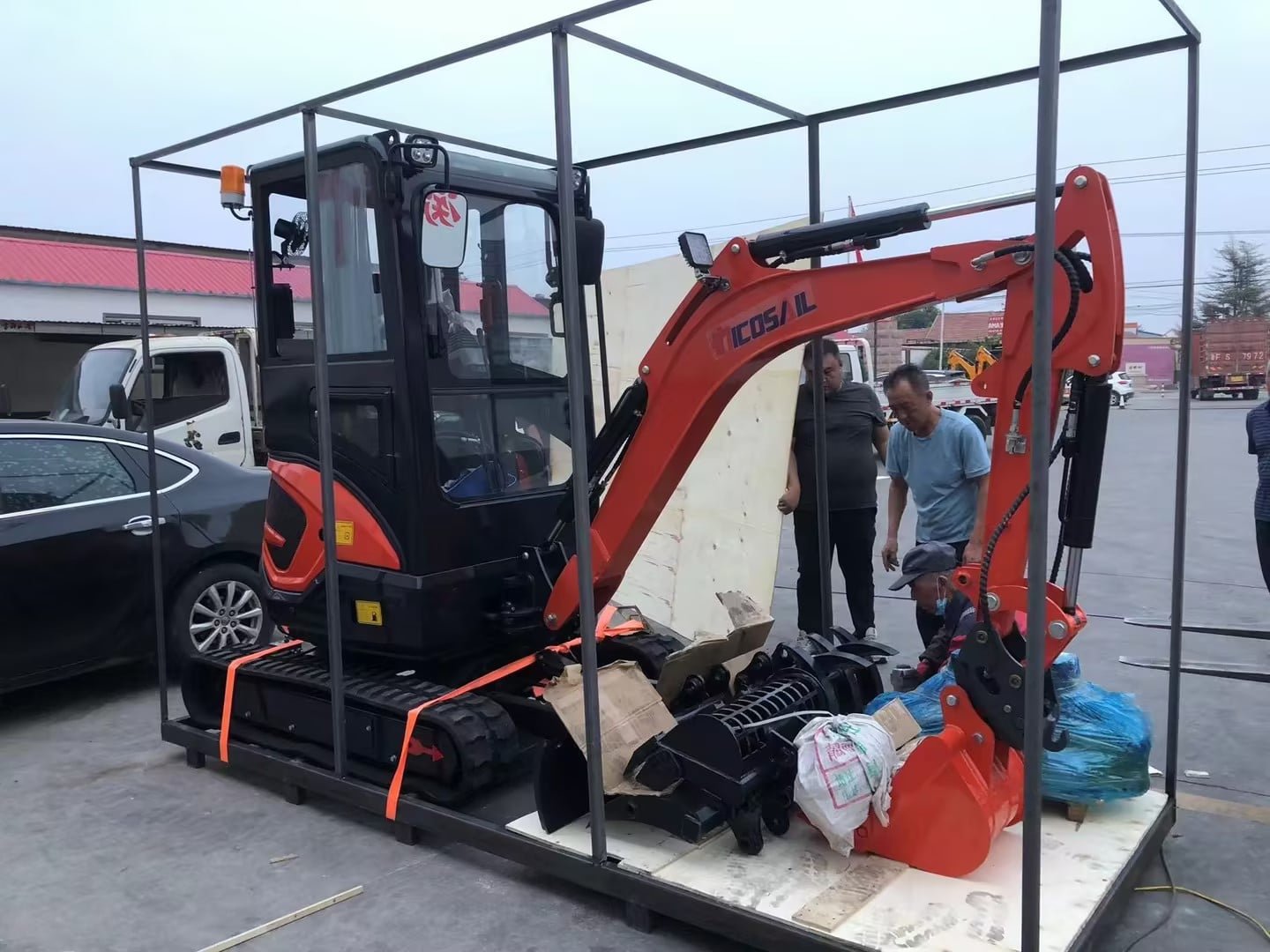
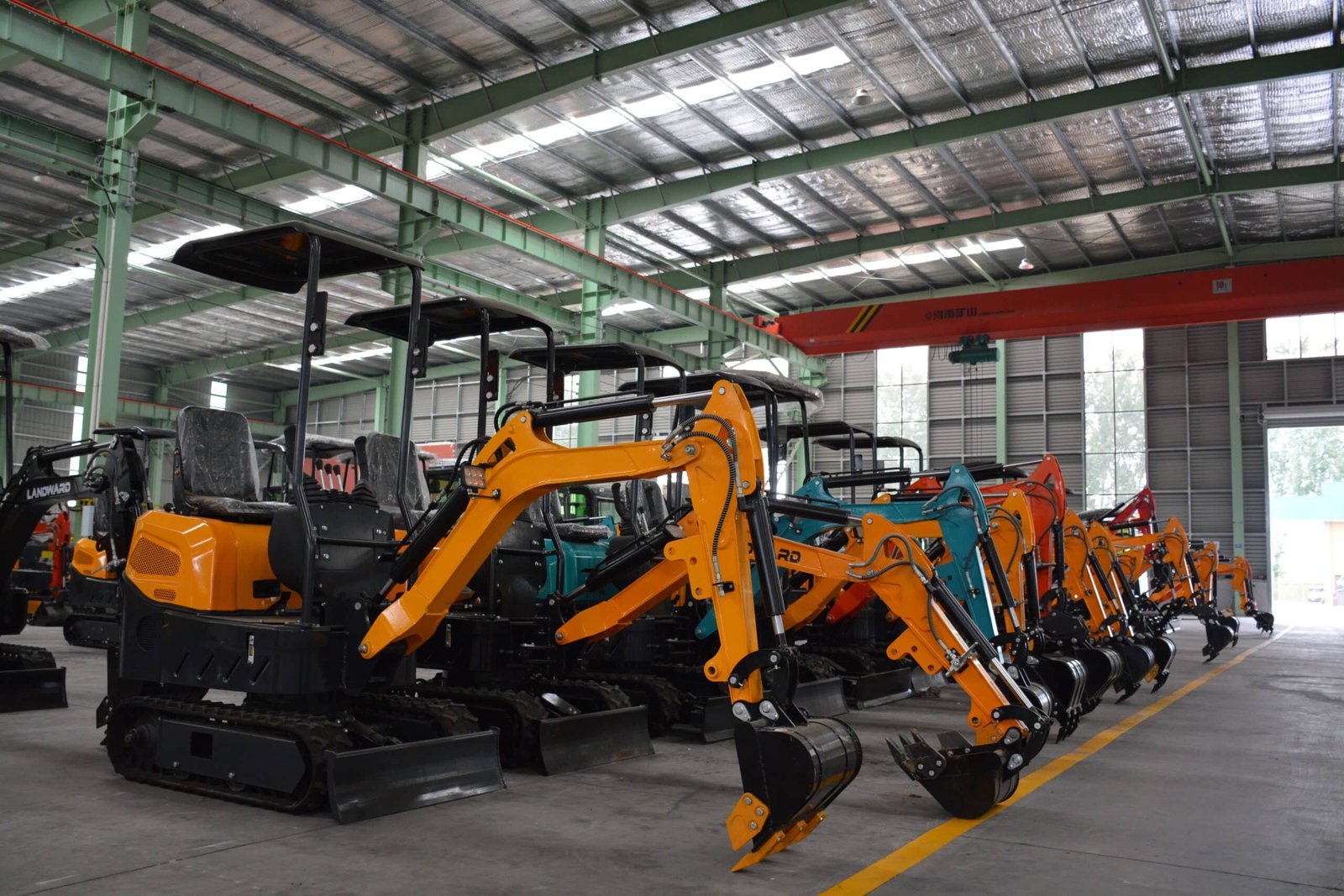
A 1.6 ton mini excavator sits in a really interesting place in the market. It’s small enough to squeeze into tight backyards, farms, and renovation jobs—but it’s not so tiny that it feels like a “toy excavator” once the ground gets tough. For a lot of buyers, especially importers, rental companies, and small contractors, 1.6T becomes the “default size” because it balances four things that matter in real life:
- Purchase price
- Daily productivity
- Transport convenience
- Risk (downtime, leaks, cracks, weak hydraulics, parts support)
But here’s the catch: not every 1.6 ton machine is built the same, even if the brochure looks similar. In this size class, the difference between a “good deal” and a “problem machine” is usually hidden in the parts you don’t see at first glance—hydraulic layout, welding quality, cooling margin, cylinder sealing, pin/bushing hardness, and how the factory controls consistency.
This guide breaks down what makes the 1.6T class a sweet spot, what trade-offs come with it, and what to check before money is sent.
1) Why 1.6 Ton Is So Popular
It’s the “most usable small size”
In many day-to-day jobs, a mini excavator is judged by one simple thing: how often it can finish the task without calling a bigger machine.
A 1.6T typically has:
- Enough digging force to handle compacted soil better than 1.0–1.2T classes
- Enough reach and lifting ability to place small pipes, stones, or landscaping material
- A footprint that still works for tight access jobs
So it’s small, but not helpless.
Transport is still easy
In many regions, the 1.6T class is attractive because it can often be moved on:
- a small trailer setup, and
- a light truck or common towing arrangement
(Exact towing rules depend on country and license class, but the overall point stands: it’s easier and cheaper than hauling a 2.5T+ machine.)
It suits both B2B and B2C
- Rental companies like it because it rents frequently and has a broad user base.
- Distributors/importers like it because the market size is big and pricing is competitive.
- Farm and property owners like it because it’s manageable, not scary, and versatile.
2) 1.6T vs 1.2T vs 1.8–2.0T: What Changes
Compared with 1.0–1.2 ton
A 1.2T is great for very tight work, but it’s easier to overload and easier to “bounce” under load. In practice:
- Less stability when lifting or reaching
- Less digging force in hard ground
- Smaller hydraulic margin for attachments
If buyers complain “it’s slow” or “it struggles,” they often bought too small.
Compared with 1.8–2.0 ton
Moving up gives more stability and power, but also:
- higher transport and operating costs
- less access flexibility
- higher purchase price
- sometimes more complex compliance needs for certain markets
So 1.6T is often the middle ground: enough machine, without stepping into the next cost tier.
3) What “Performance” Really Means in a 1.6T Mini
Forget marketing words like “powerful.” For a 1.6T, performance shows up as:
Cycle time (real productivity)
How fast the boom, arm, and bucket move under load—without feeling jerky. Two machines can have similar engine power, but one feels more productive because the hydraulic system is matched better.
Multi-function ability
Can it boom up while curling the bucket and swinging smoothly? Or does it “hesitate” and feel like it can only do one thing at a time?
Stability and confidence
The operator should feel the machine is “planted,” not tipping easily. Track width, counterweight design, and undercarriage geometry all matter here.
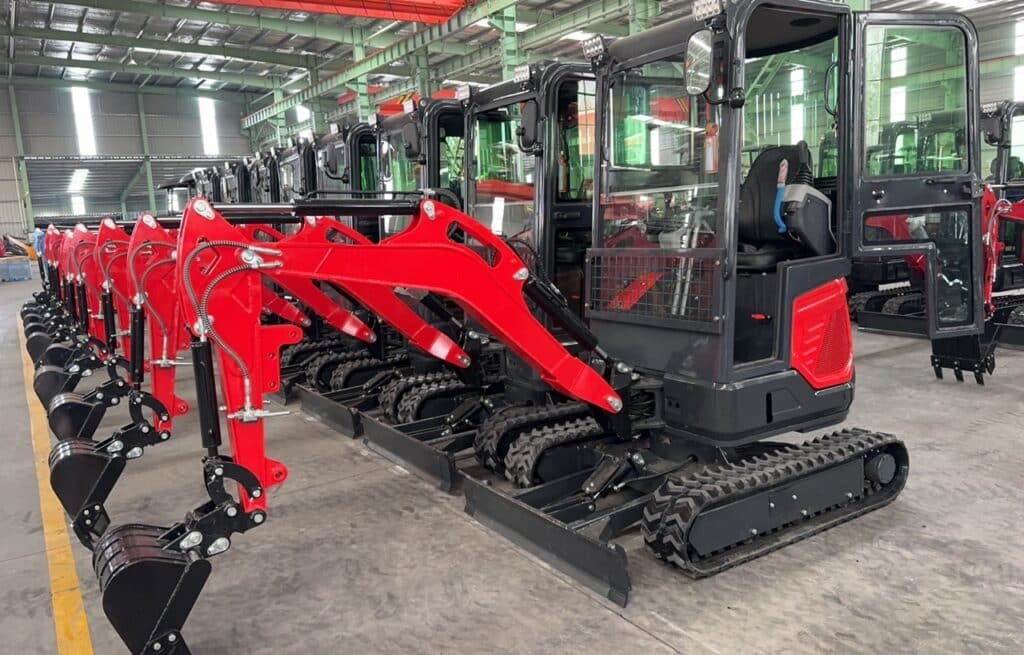
4) Where the Price Comes From (And What’s Worth Paying For)
In China-made 1.6T minis, price differences usually come from:
A) Hydraulics (pump + valve + motors + hose layout)
This is the heart. Cheaper machines cut cost with:
- lower-quality seals
- inconsistent valve tuning
- weaker hose fittings
- poor hose routing that rubs and leaks
A slightly higher price for a well-built hydraulic system often pays back quickly through fewer leaks and better operator satisfaction.
B) Structure and pins/bushings
If a factory saves money here, cracks and looseness appear early:
- boom/arm weld stress points
- bucket linkage wear
- sloppy pins after a season
C) Electrical and finishing
Not glamorous, but important:
- messy wiring harness = random sensor issues
- poor paint prep = rust and ugly resale value
- weak connectors = water ingress problems
D) Compliance configuration
If a market needs CE/UKCA, or Stage V/EPA engines, the cost structure changes. Buyers should be careful here: certificates and actual compliance are not the same thing. More on that later.
5) Hydraulics: The #1 Place Cheap Machines Cut Corners
A 1.6T mini excavator lives or dies by hydraulic matching. In plain language: it’s about whether the pump, main valve, and cylinders “agree” with each other.
What good hydraulics feels like
- Smooth start and stop (not jumpy)
- Strong digging without stalling constantly
- Easy fine-control for grading
- No strange noise, no overheating
Red flags to watch for
- “Fast empty, slow under load”: often weak pressure control or poor valve tuning
- Overly sensitive levers: hard for new operators, increases damage risk
- High oil temperature quickly: cooling margin or internal leakage issues
- Lots of small oil sweating points: hose fittings, seal quality, assembly cleanliness
Quick factory-side questions that reveal quality
Buyers can ask the supplier for:
- hydraulic schematic (even a simplified one)
- pump and main valve brand/model
- photos of hose routing near the boom base and swing area
- details on filtration (return filter type, suction strainer)
- how they test for leaks and pressure at end-of-line
A serious factory can answer these without getting nervous.
6) Engine & Emissions: Matching the Market (EU/NA/AU)
This topic matters because it affects:
- legal import
- registration/insurance in some places
- customer trust
- resale value
Common configurations
- Non-regulated markets often accept simpler engine setups.
- EU typically expects Stage V for new equipment in many cases.
- North America often expects EPA-compliant engines depending on application and sales channel.
The key is not just the engine brand—it’s the paperwork, serial traceability, and whether the installation (exhaust, sensors, ECU) is done cleanly.
Buyer tip
If the machine is advertised as compliant:
- ask for the engine nameplate photo (clear)
- ask for the engine serial number format explanation
- ask for the full document set before shipment (not “later”)
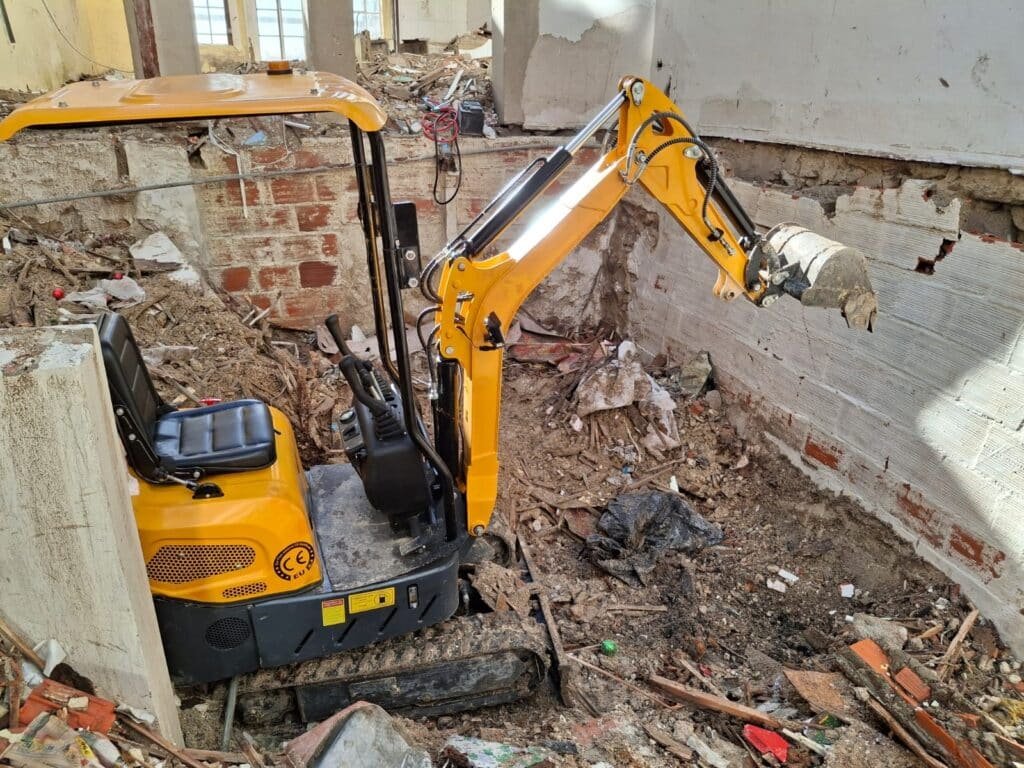
7) Cooling and Heat: The Silent Excavator Killer
Small excavators often work at high load in hot weather with limited airflow (fences, hedges, indoor demolition). If cooling is marginal, problems stack up:
- hydraulic oil thins out → more leakage
- seals age faster
- engine runs hotter → reduced life
- operator complains “power drops after 2 hours”
What to look for
- radiator and hydraulic cooler size (not just “it has a cooler”)
- clean ducting and fan shroud design (air should go through the cores, not around them)
- easy-to-clean layout (owners actually maintain what’s accessible)
8) Structure & Welding: Where Cracks Start
In the 1.6T class, the most common crack areas are usually:
- boom base and boom foot plate region
- arm root welds
- upperstructure mounting points
- blade mount area (for dozer blade models)
What causes early cracks
- high-stress welds without proper process control
- inconsistent weld penetration
- sharp transitions without reinforcement
- poor alignment causing side-loads
Simple checks buyers can do
- Look for smooth weld beads and consistent bead width
- Check for obvious grinding “cover-ups”
- Inspect symmetry: left and right structures should look consistent
- Ask if the factory uses welding procedures and fixture jigs for the boom/arm
9) Undercarriage & Travel: What Buyers Miss
A mini excavator’s undercarriage is constantly abused—rocks, curbs, trailer ramps.
Track frame and rollers matter more than people think
Two machines may look identical, but longevity can differ if:
- roller seals are weak
- sprockets wear fast
- track tensioners leak grease
- track chain hardness is inconsistent
The “too narrow track” trap
Some 1.6T machines chase ultra-compact width. That helps access, but hurts:
- side stability
- slope confidence
- lifting feel
For many buyers, a slightly wider stance is worth it.
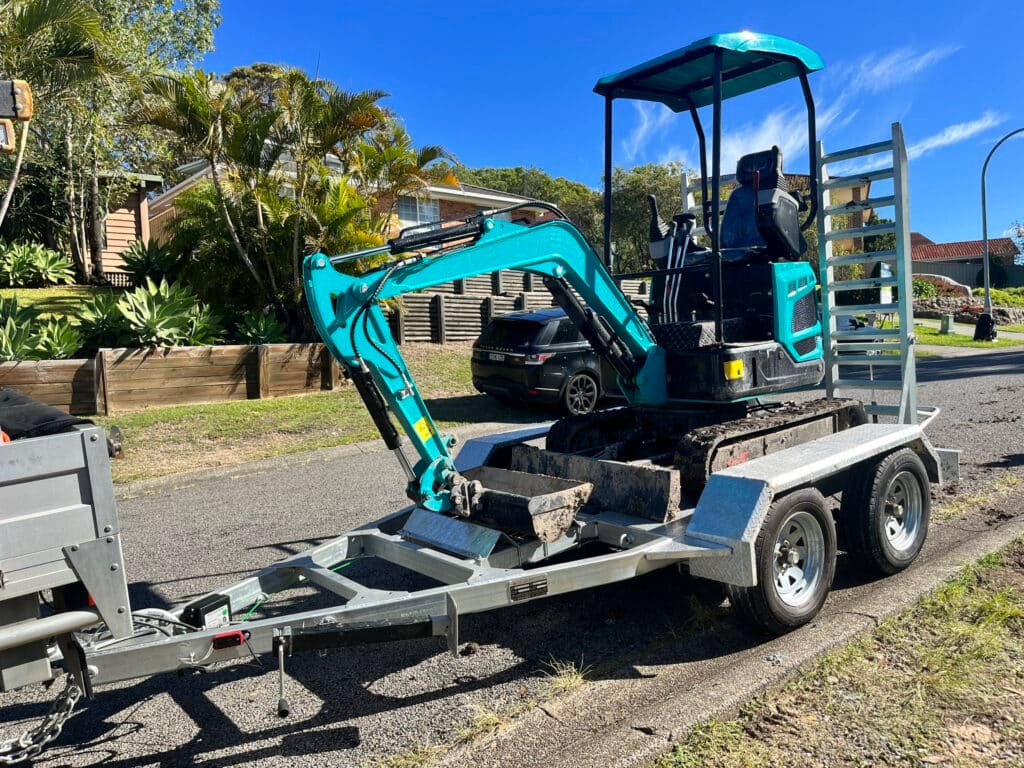
10) Operator Feel: Controls, Valves, and Smoothness
If the machine is for rental, operator feel is a sales weapon. Renters come back to what feels easy.
Key points:
- smooth swing start/stop (less “whip”)
- predictable travel speed
- consistent joystick response across machines (batch consistency is huge)
A supplier that can deliver consistent tuning across production is usually more mature.
11) Attachments & Aux Lines: Make 1.6T Do More
A 1.6T becomes dramatically more valuable with the right auxiliary setup.
High-value attachment options
- hydraulic breaker (demolition, trenching in hard ground)
- auger (fence posts, farm work)
- thumb clamp (logs, rocks)
- quick coupler (fast bucket changes)
What to confirm for aux hydraulics
- one-way vs two-way auxiliary circuit support
- flow adjustability (even a simple adjustment helps)
- proper hose protection and routing
- labeled controls and clear operator instructions
12) Total Cost of Ownership: The Math That Matters
A cheap machine can be expensive if:
- it leaks constantly
- it overheats and loses productivity
- pins wear fast
- customers complain and return rentals
- warranty claims destroy the distributor’s margin
Simple ownership logic
A slightly higher purchase price is often justified if it delivers:
- fewer hydraulic leaks
- stable operating temperature
- longer pin/bushing life
- better parts support
- consistent quality between units
For distributors, consistency is everything. One bad batch can damage an entire brand launch.
13) Inspection Checklist: How to Avoid a Bad Batch
Here’s a practical checklist that works for both importers and end users.
A) Visual + build checks
- Boom/arm weld quality and symmetry
- Hose routing: no rubbing points, proper clamps
- Wiring harness: tidy, protected, sealed connectors
- Paint prep: look inside corners and hidden areas (rust starts there)
B) Functional test (30–60 minutes is enough)
- Warm up and run multiple functions simultaneously
- Check swing braking (should stop smoothly)
- Travel forward/backward under load
- Dig in compacted soil if possible
- Listen for pump whine changes under load (can indicate cavitation or poor tuning)
C) Leak and temperature checks
- Inspect fittings after warm operation
- Feel hydraulic tank area (excessive heat is a warning)
- Check for “sweating” around cylinder seals
D) Documentation checks (especially B2B)
- serial number traceability
- engine plate photos + documents
- compliance docs relevant to the destination market
- packing list accuracy (attachments, spare filters, tools)
14) Common Buying Mistakes (Especially for Importers)
Mistake 1: Buying on photos and price only
This class is full of look-alike machines. Internals decide reputation.
Mistake 2: Ignoring hose routing and leak prevention
Leaks don’t just cost oil—they create customer anger and warranty time.
Mistake 3: Not locking the specification
Small changes create big differences:
- cylinder bore size changes feel
- valve tuning changes grading ability
- track width changes stability
A purchase contract should list key configurations clearly.
Mistake 4: Underestimating “batch consistency”
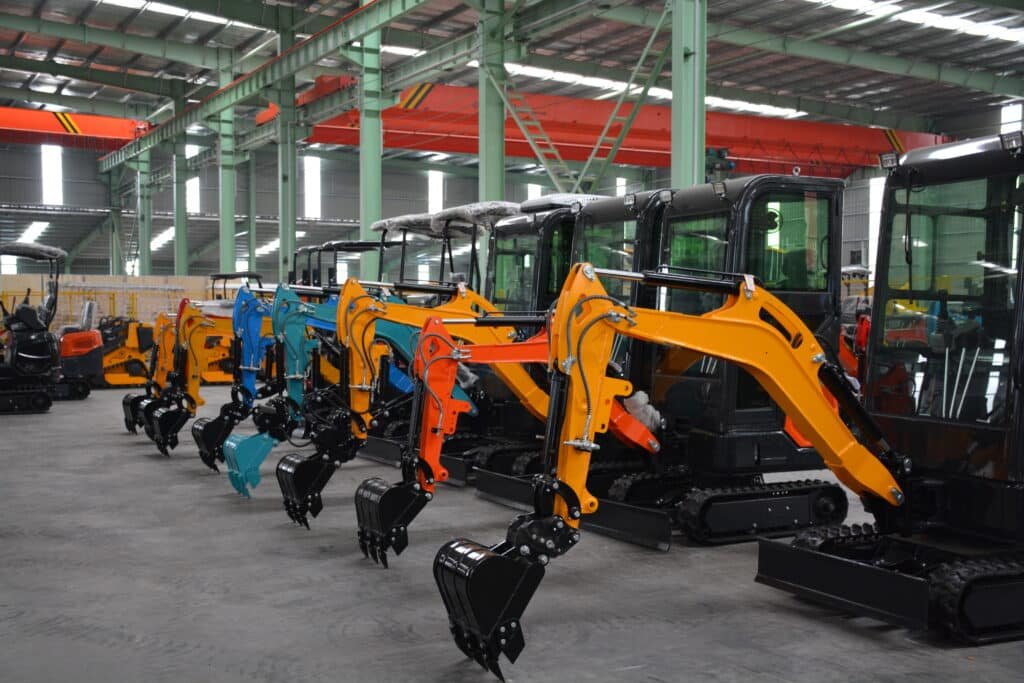
One good sample doesn’t guarantee the next 20 units. The supplier needs real process control, not luck.
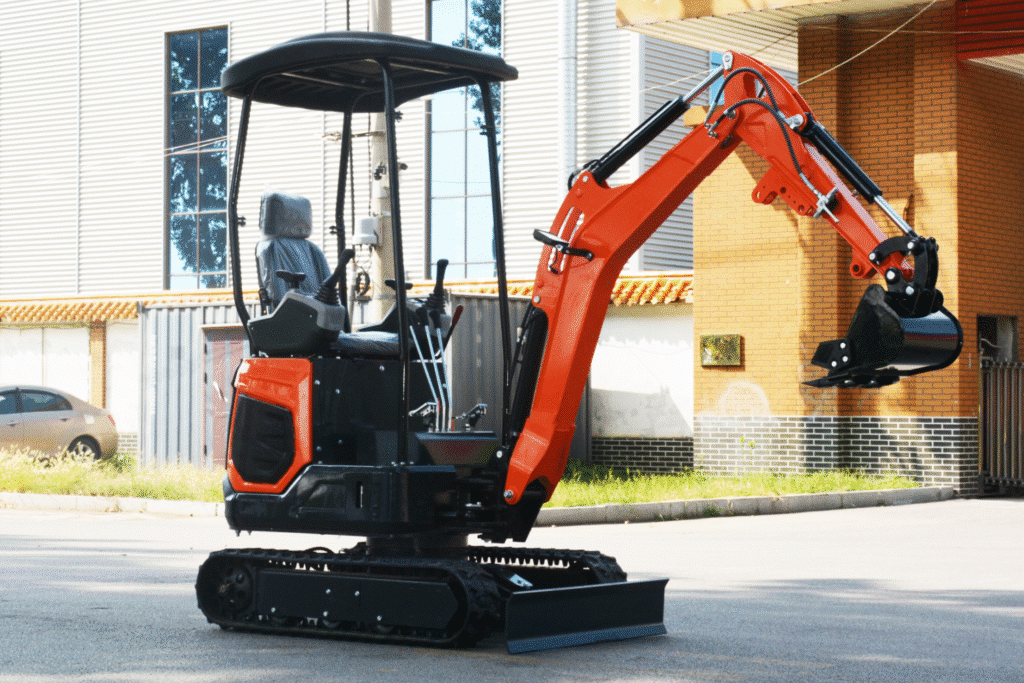
15) Where a Brand Like Nicosail Fits
When buyers look for a China 1.6T mini excavator, they usually want two things that sound contradictory:
- competitive pricing
- reliable, repeatable quality
That’s exactly where a factory-focused brand like Nicosail tends to fit best—not as a “cheapest option,” but as a practical choice for buyers who want fewer surprises after the container arrives.
A reasonable expectation from a mature supplier in this segment includes:
- stable hydraulic configuration and tuning
- disciplined hose and wiring layout
- consistent welding and structure quality
- export experience for Europe, North America, and Australia
- customization support (appearance/branding) without breaking the machine’s core reliability
The smartest approach is simple: treat the 1.6T as a long-term product line, not a one-time deal. If the supplier can keep quality consistent, the 1.6T category becomes a repeat-order machine.
FAQ
1) Is 1.6 ton enough for “real” construction work?
For light construction—trenches, utilities, landscaping, small foundations, renovation work—1.6T is often enough. For heavy rock digging or big lifting, moving up in weight class makes more sense.
2) What’s the biggest risk when buying a China 1.6T mini excavator?
Hidden quality issues: hydraulic leaks, overheating, weak weld areas, and inconsistent batch quality. These don’t always show on day one, but they show during the first season.
3) What should be prioritized: engine brand or hydraulic system?
Both matter, but in this size class, hydraulics usually decide operator satisfaction and downtime risk. A good engine with poor hydraulics still feels like a bad machine.
4) Is a wider track always better?
Not always. Wider tracks improve stability, but reduce access ability. For rental and general contracting, slightly wider is often a better “all-around” setup.
5) How can a buyer verify consistency before placing a bigger order?
Ask for:
- recent inspection records or test process explanation
- videos of end-of-line testing
- a second unit inspection (not the same demo machine)
- clear specification lock in the contract
6) Does adding attachments reduce reliability?
Attachments are fine if the auxiliary hydraulics are designed correctly (proper flow, proper return, correct hose routing). Problems usually come from poor aux circuit setup.
7) Is Nicosail suitable for distributors who want rebranding?
Yes, rebranding/custom outlook is common in export business. The important part is keeping the core components and assembly discipline consistent while customizing appearance.
Summary
A 1.6 ton mini excavator from China often is the sweet spot—because it’s big enough to work seriously, small enough to transport easily, and priced in a range that makes sense for both end users and distributors.
But the “sweet spot” only stays sweet when the machine is built with:
- solid hydraulics (matching + leak control)
- adequate cooling margin
- reliable weld/structure quality
- consistent batch production
- clean documentation and compliance matching the destination market
For buyers who want competitive pricing without gambling on hidden weaknesses, choosing a stable supplier—and inspecting the right details—matters more than chasing the lowest number on a quote. Brands like Nicosail make sense when the goal is a repeatable, export-ready 1.6T product line that customers can trust after the first season, not just on delivery day.