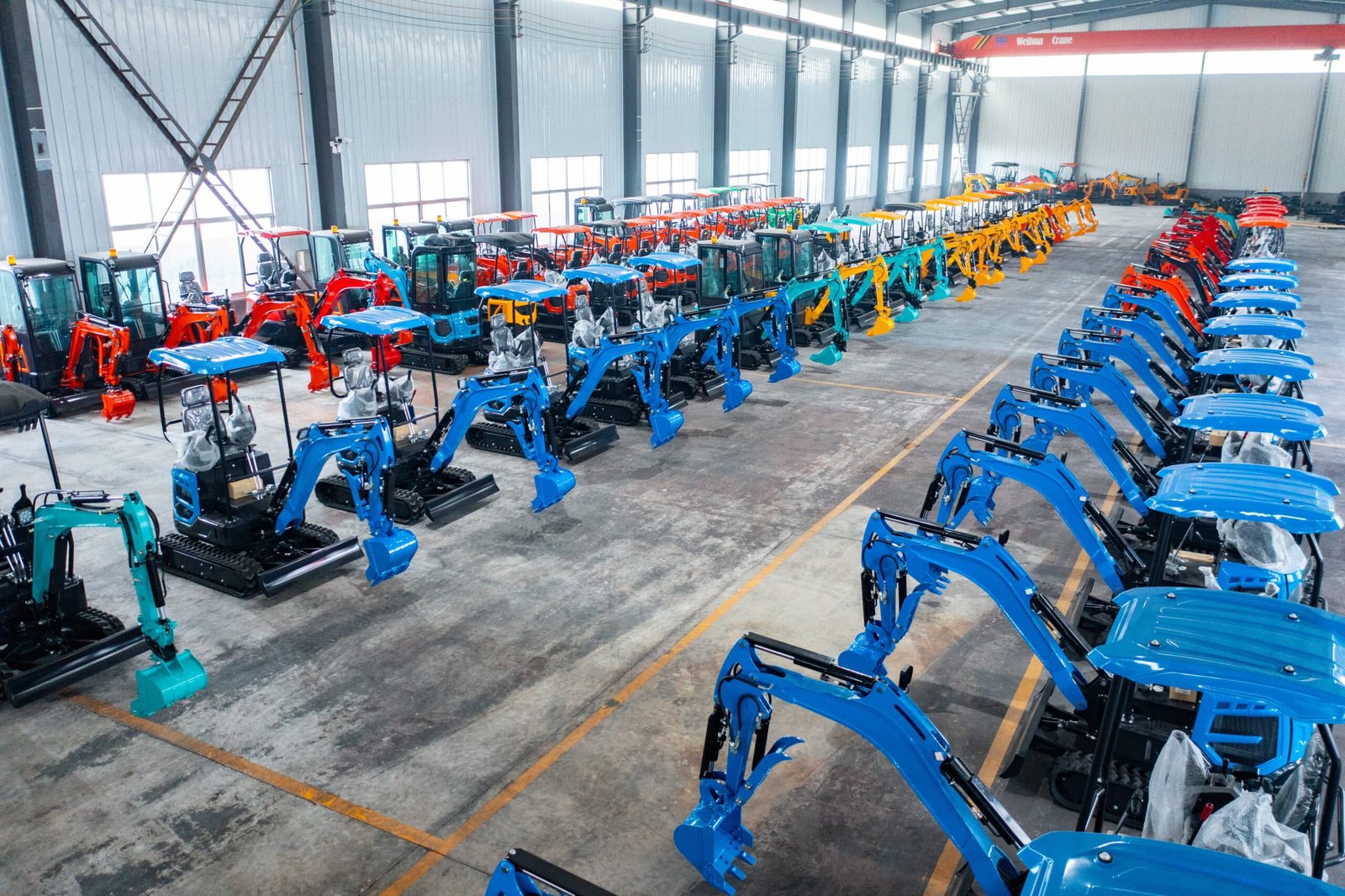
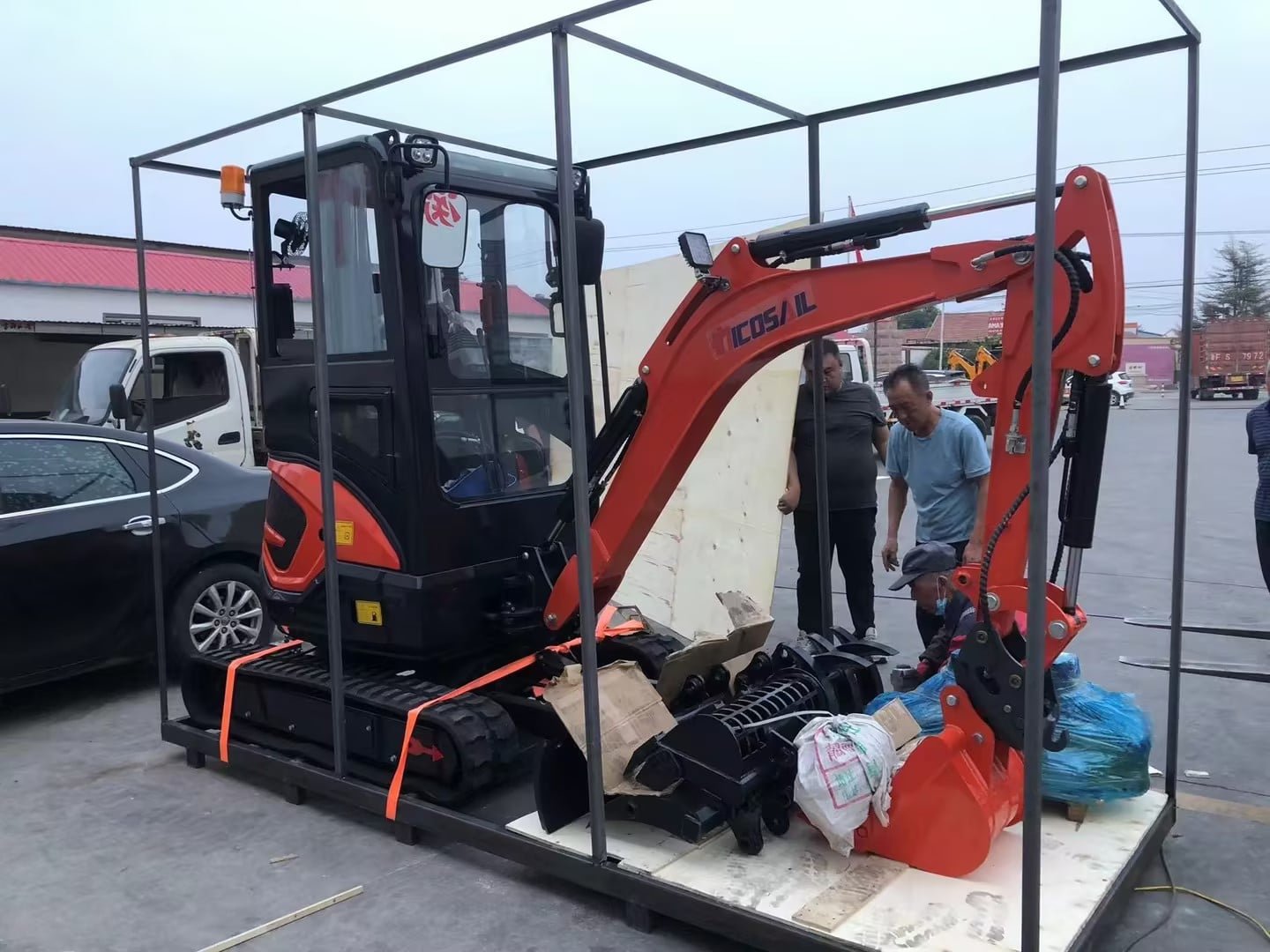
1. Why So Many Buyers Are Looking at Chinese Mini Excavators
In Europe, North America, and Australia, one thing is obvious:
equipment prices from traditional brands keep going up.
For distributors and rental companies, that creates pressure:
- Margins are shrinking
- Customers want lower prices
- Fleet expansion is expensive
That’s exactly why Chinese mini excavators are getting so much attention.
Ten years ago, many buyers wouldn’t even consider them.
Today, Chinese machines are:
- Running on European job sites
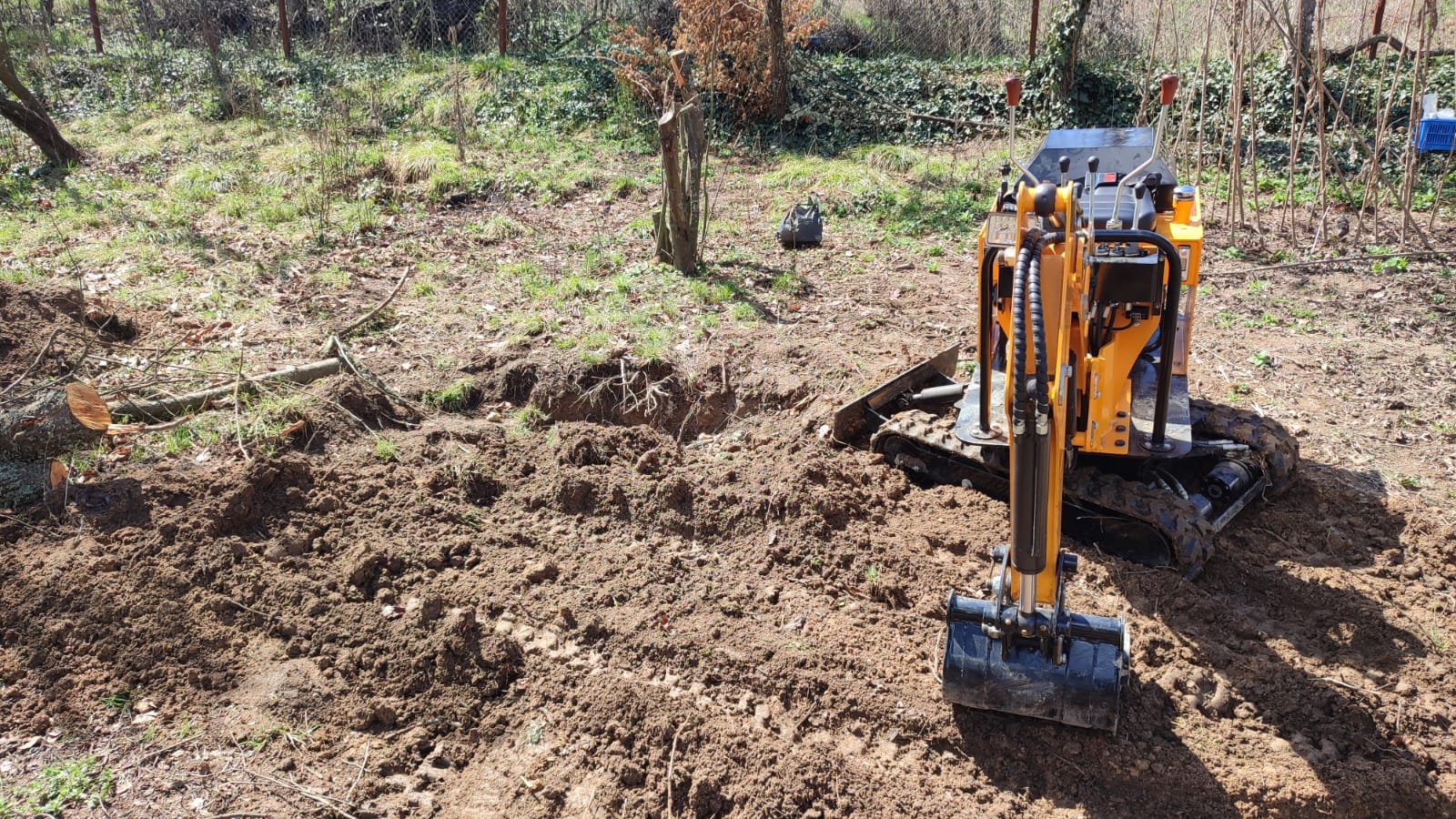
- Working daily on farms and landscaping projects
- Being rebranded and sold by importers
But here’s the key question:
Are they actually right for your business model — or just cheap on paper?
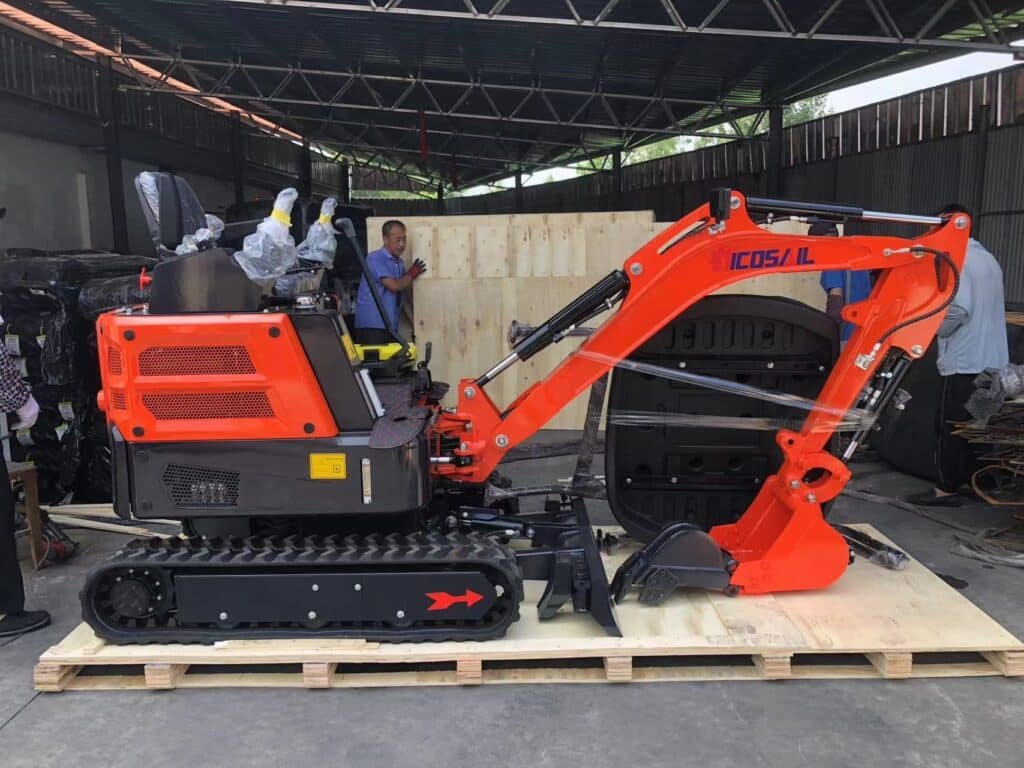
2. What “Chinese Mini Excavator” Really Means Today
A common mistake is thinking all Chinese mini excavators are the same.
They’re not.
In China, there are:
- Small workshops assembling machines by hand
- Mid-level factories with partial production lines
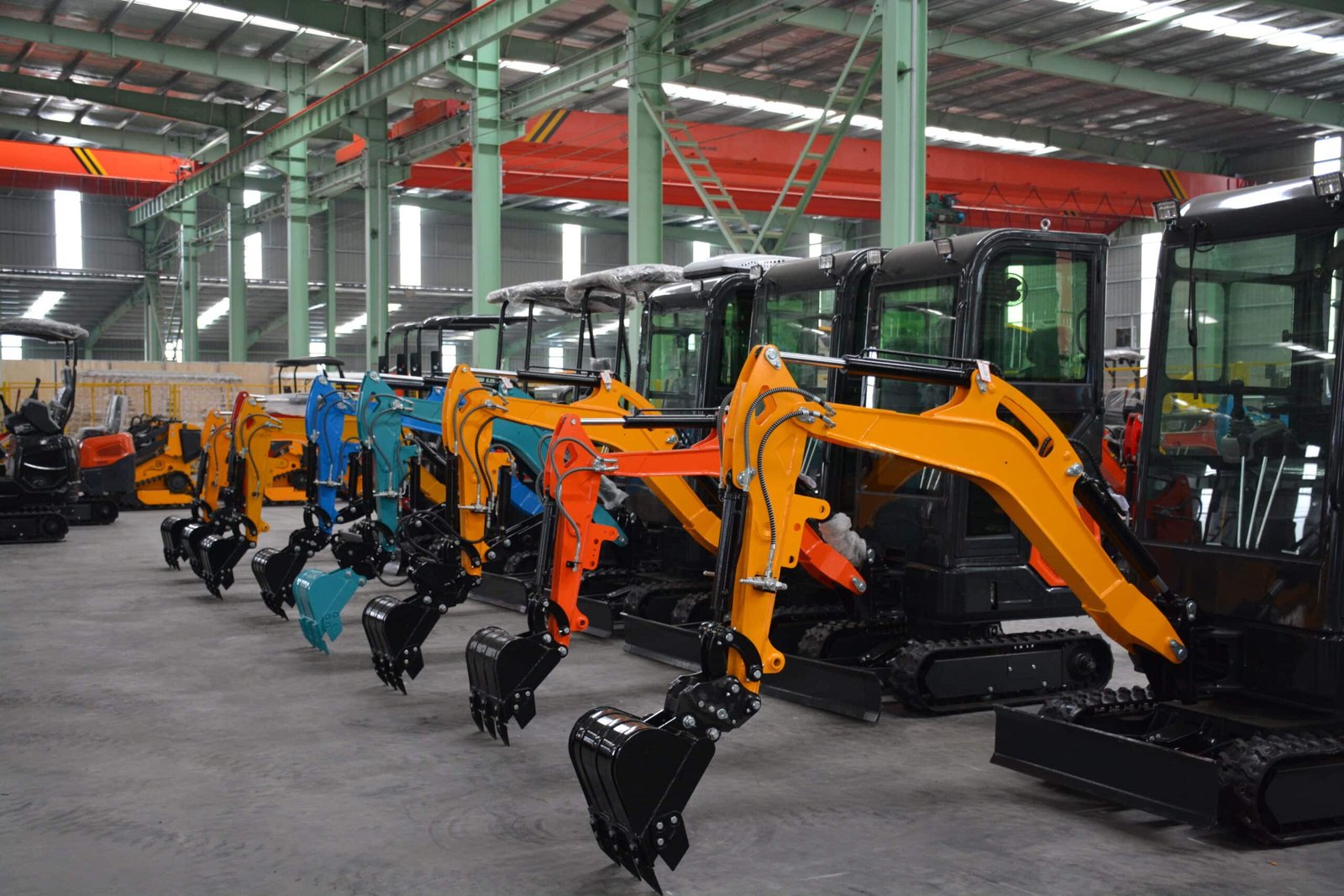
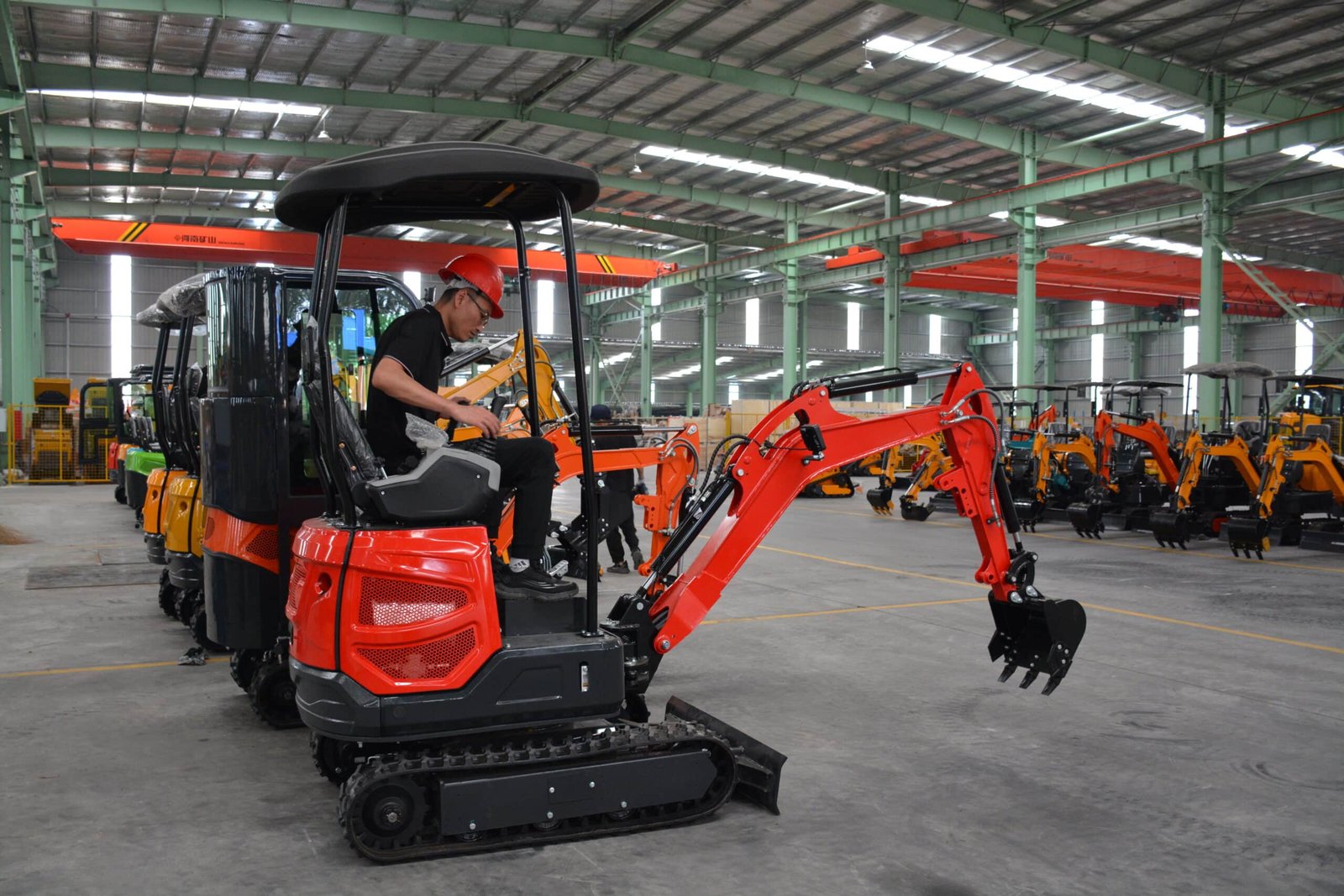
- Full-scale factories with welding robots, testing stations, and export experience
Some machines are built to:
- Pass EU & North American inspections
- Run 2,000+ hours without major issues
Others are built to:
- Look good in photos
- Be as cheap as possible
- Ship fast, with no long-term plan
When buyers say “Chinese machines are risky”, most of the time they mean:
They bought from the wrong factory, not the wrong country.
3. The Biggest Advantages (Pros) — Where Chinese Machines Shine
3.1 Price Advantage That Actually Matters
Let’s be honest — price is the first reason buyers look at China.
Compared with Japanese or European brands:
- Initial purchase cost can be 30–50% lower
- Container-level orders reduce unit cost further
- Rebranding potential increases resale margins
For distributors, this means:
- More room for profit
- Flexible pricing strategies
- Faster market entry
But price alone is not the real advantage.
3.2 Simple Design = Easier Maintenance
Most Chinese mini excavators use:
- Mechanical structures instead of complex electronics
- Proven hydraulic layouts
- Easy-to-access components
That matters because:
- Rental customers abuse machines
- Farm users don’t want complicated diagnostics
- Overseas service networks are limited
Simple machines:
- Break less
- Cost less to repair
- Keep customers happier
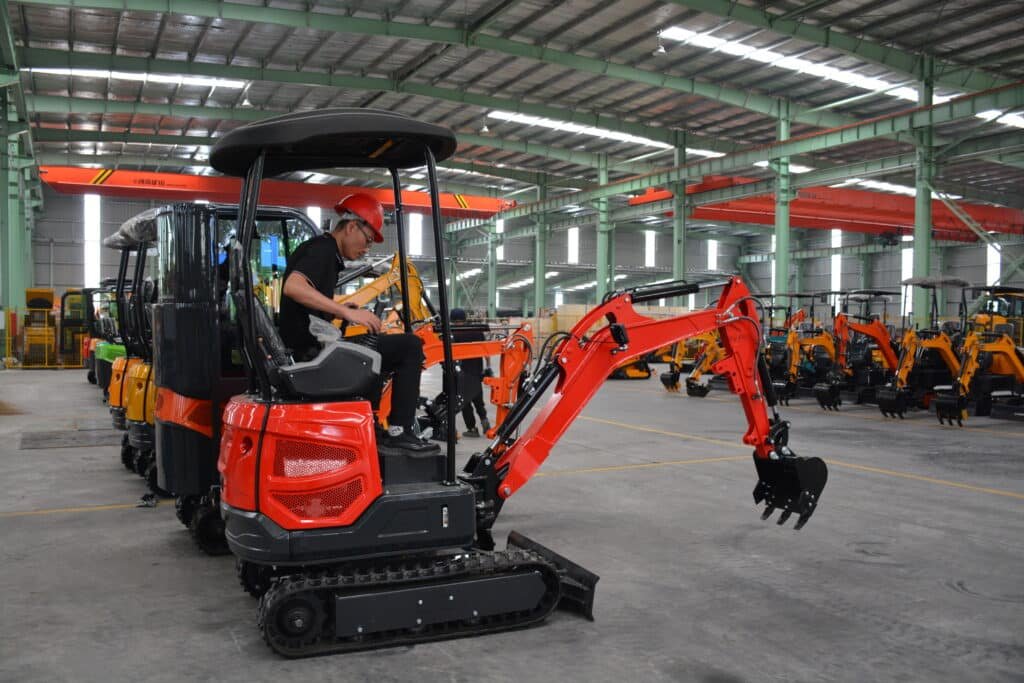
3.3 Customization That Western Brands Don’t Offer
Chinese factories are flexible.
Buyers can request:
- Different engines (Kubota, Yanmar, or cost-optimized options)
- Joystick patterns
- Canopies or enclosed cabins
- Custom colors and decals
- Reinforced arms or undercarriages
This is why many importers:
- Rebrand machines
- Build private-label equipment lines
- Create “local brands” for their markets
Western OEMs rarely allow this.
3.4 Faster Production for Bulk Orders
For distributors and rental companies, timing matters.
Chinese factories often offer:
- Shorter lead times for container orders
- Scalable production lines
- Flexible scheduling during peak seasons
That helps avoid:
- Missing spring or summer sales windows
- Losing customers due to long waits
4. The Real Disadvantages (Cons) — Where Buyers Get Burned
Now let’s talk about the uncomfortable part.
4.1 Quality Inconsistency Between Suppliers
This is the biggest risk.
Two machines may:
- Look identical
- Use similar parts
- Have very different reliability
Common problems from low-end suppliers:
- Poor welding quality
- Cheap hoses that crack early
- Electrical issues after a few months
- Weak pins and bushings
Buyers who skip factory audits often pay for it later.
4.2 Certification Problems Can Kill a Deal
Some suppliers claim:
- “CE approved”
- “EPA compliant”
But what they really have is:
- Old certificates
- Incomplete documentation
- Certificates issued for different models
For importers, this can mean:
- Customs delays
- Machines stuck at port
- Legal risks
Certification fraud is real — and expensive.
4.3 After-Sales Support Depends on the Factory
A machine is only as good as:
- Spare parts availability
- Technical response speed
- Willingness to take responsibility
Some factories disappear after shipment.
Others treat after-sales like a long-term partnership.
This difference is not visible in Alibaba photos.
4.4 Resale Value Is Brand-Dependent
Let’s be clear:
- Unknown machines are harder to resell
- Buyers trust brands, even private labels
That’s why smart importers:
- Choose stable factories
- Build consistent product lines
- Invest in quality from the start
5. Cost vs Value: Cheap Is Not the Same as Profitable
Many buyers focus on FOB price.
Experienced buyers focus on:
- Total landed cost
- Failure rate
- Warranty claims
- Customer complaints
- Reputation damage
A machine that’s:
- $1,500 cheaper
- But causes downtime
- And angry customers
Is not cheaper in the real world.
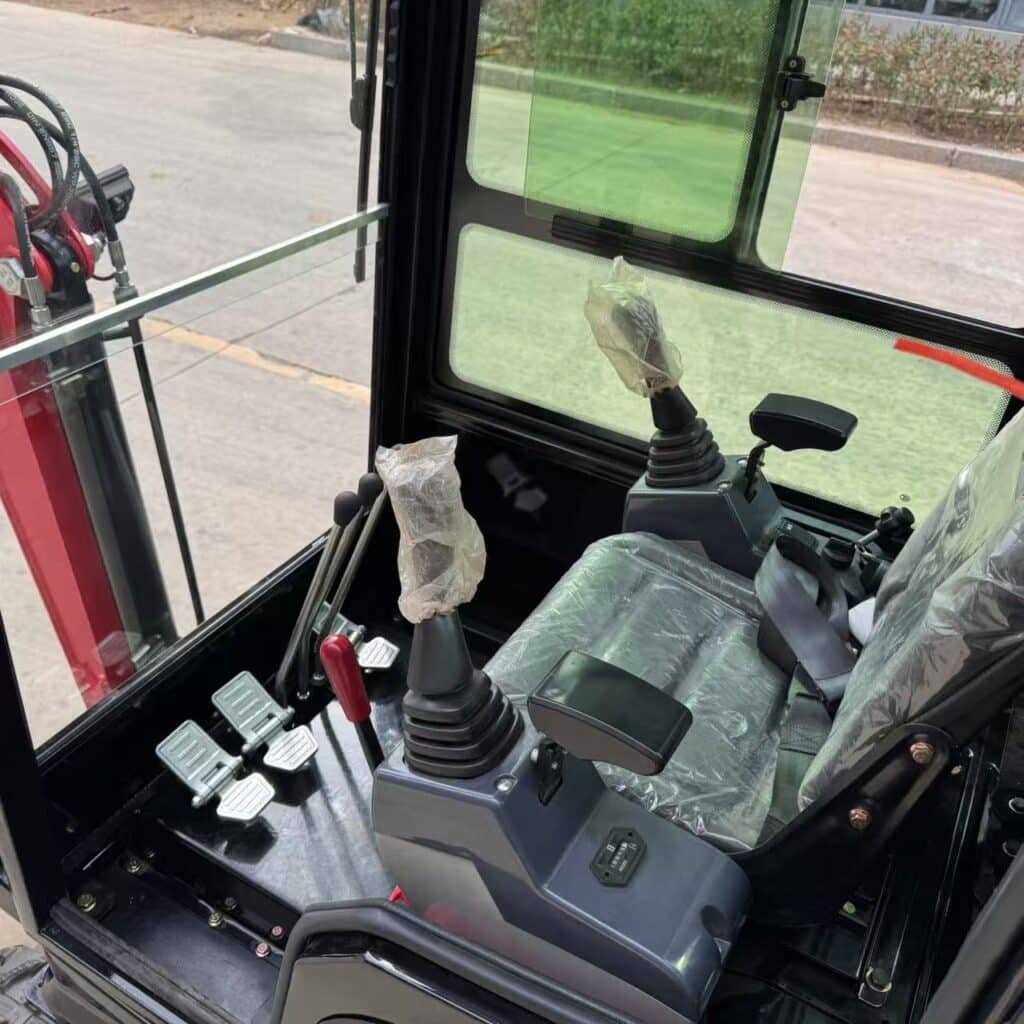
6. Quality Control: The Difference Between Factories
High-quality Chinese factories usually have:
- Standardized welding jigs
- Hydraulic pressure testing
- Engine run-in testing
- Final inspection checklists
Low-end suppliers usually:
- Assemble by eye
- Skip pressure testing
- Ship without full inspection
That difference shows up after 300–500 working hours.
7. Certifications, Compliance, and Risk Control
For EU, US, and Australia markets, buyers should confirm:
- CE conformity (real, model-specific)
- EPA / Euro engine compliance
- Noise and safety standards
Smart buyers:
- Verify certificates before payment
- Match serial numbers
- Keep compliance records
This is where experienced export factories stand out.
8. Spare Parts, After-Sales, and Long-Term Ownership
Good factories:
- Stock spare parts for years
- Use common components
- Provide manuals and diagrams
Bad ones:
- Change designs frequently
- Can’t supply old parts
- Blame customers for failures
For rental fleets, this is critical.
9. Who Should Buy a Chinese Mini Excavator (And Who Shouldn’t)
Good Fit If You Are:
- A distributor building a private label
- A rental company focused on ROI
- A buyer who inspects factories
- A business with service capability
Not a Good Fit If You:
- Expect premium-brand resale value
- Don’t want to manage suppliers
- Need ultra-high-tech features
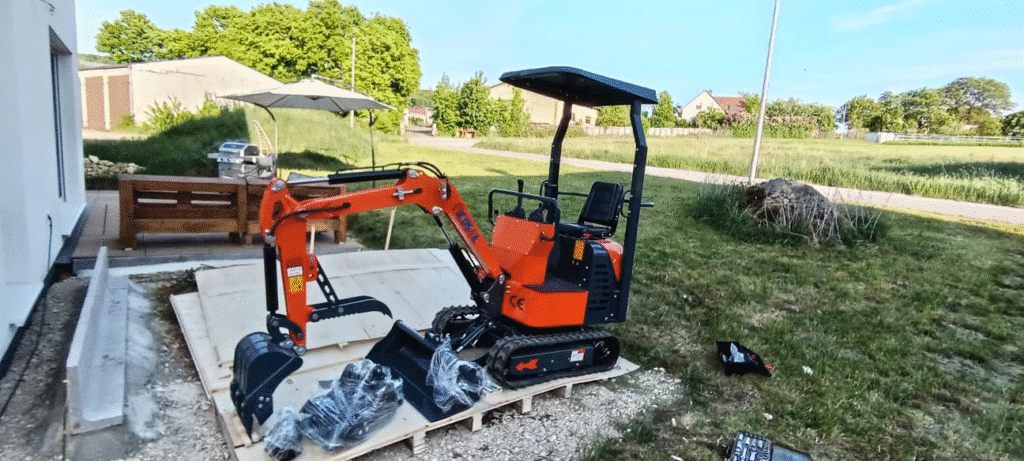
10. How Smart Importers Reduce Risk When Buying from China
Successful buyers usually:
- Visit factories or hire inspectors
- Start with small trial orders
- Test machines locally
- Lock specifications before scaling
They treat supplier selection as a strategy, not a transaction.
11. Why Some Buyers Quietly Switch to Brands Like Nicosail
Some buyers don’t want:
- The risk of random suppliers
- The hassle of chasing certificates
- Inconsistent quality
They prefer factories that:
- Focus on mini excavators only
- Have stable production lines
- Export mainly to Europe and North America
- Understand distributor concerns
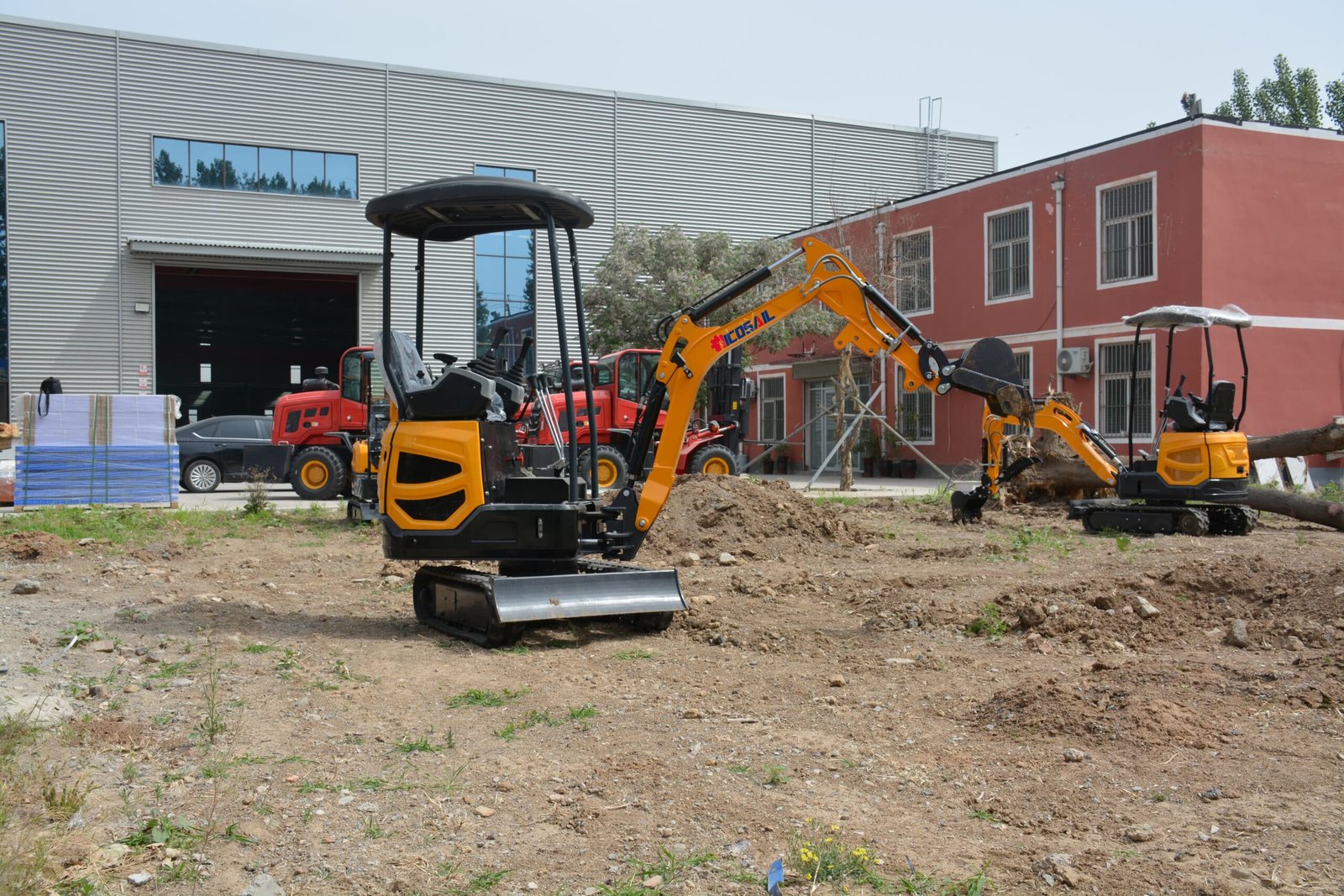
That’s why brands like Nicosail often show up in long-term partnerships — not because they are the cheapest, but because they are predictable.
12. FAQ — Straight Answers Buyers Care About
Q1: Are Chinese mini excavators reliable?
Yes — if they come from the right factory. No — if they don’t.
Q2: Can they match Japanese brands?
For light to medium duty, many can. For extreme, 24/7 abuse, brand choice matters more.
Q3: Is certification a real risk?
Yes. Always verify documents before shipment.
Q4: Are spare parts a problem?
Only with unstable suppliers. Good factories plan parts support.
Q5: Is rebranding common?
Very. Many “local brands” are built on Chinese machines.
13. Final Summary: Is It Right for Your Business?
A Chinese mini excavator is not automatically a good or bad choice.
It depends on:
- Your business model
- Your risk tolerance
- Your supplier selection
For many distributors and rental companies, Chinese machines:
- Lower entry cost
- Improve margins
- Offer flexibility
But success comes from:
- Choosing the right factory
- Looking beyond price
- Treating machines as long-term assets
When done right, a Chinese mini excavator isn’t a compromise —
it’s a smart business decision.