Introduction: The Hidden Cost Many Buyers Ignore
When people shop for a small excavator, the first things they usually look at are:
- Price
- Engine brand
- Size and weight
- Attachments
- Delivery time
Those are all important. No doubt about it.
But there is one factor that many buyers only realize after the machine arrives.
That factor is after-sales support.
A mini excavator is not like buying a simple tool. It is a working machine. It will dig, lift, push, and run many hours every day. Even the best machines will eventually need:
- Maintenance
- Replacement parts
- Technical guidance
- Troubleshooting
Without proper support from the supplier, even a good machine can quickly turn into a problem that costs time, money, and reputation.
For distributors, rental companies, and contractors, this issue becomes even more critical.
Reliable after-sales service is not just a bonus — it is part of the machine itself.
What Does “After-Sales Support” Actually Mean?
Many suppliers say they provide after-sales support. But what does that actually include?
In the small excavator industry, good after-sales support usually covers several areas.
1. Spare Parts Availability
Machines wear out. That is normal.
Common replacement parts include:
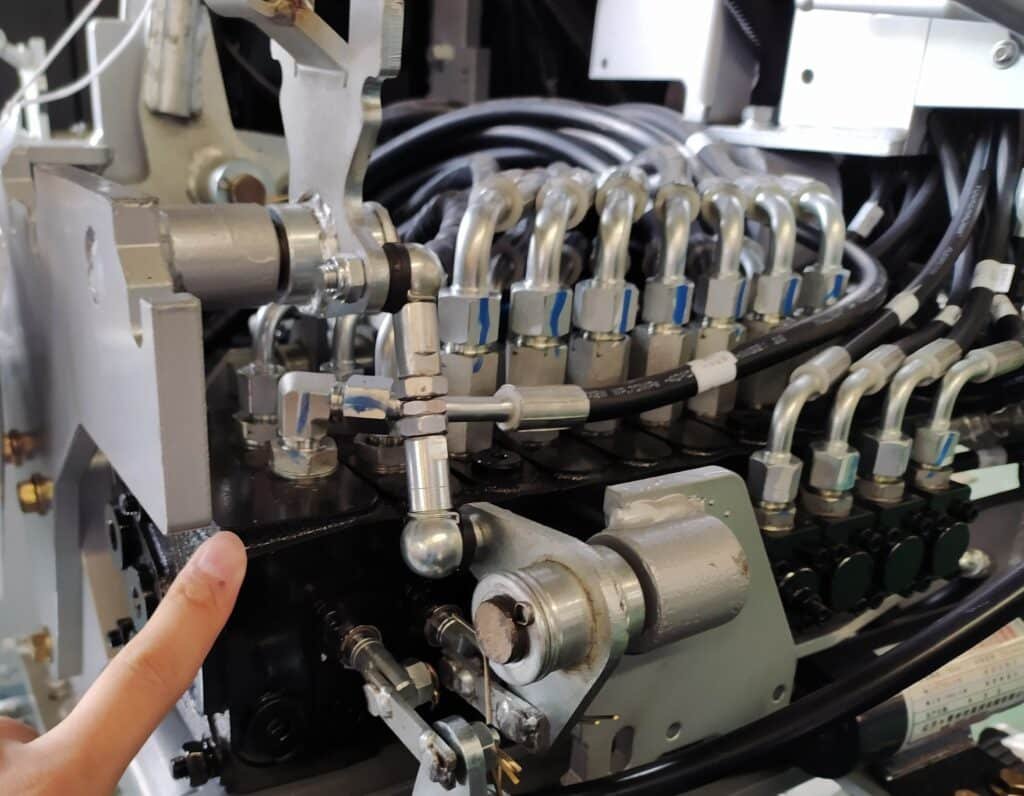
- Hydraulic hoses
- Filters
- Seals
- Rubber tracks
- Pins and bushings
If these parts are not easy to get, the machine may sit idle for weeks.
That means lost income.
2. Technical Guidance
Many buyers are not mechanical experts.
Sometimes the issue is simple:
- A hydraulic pressure adjustment
- Electrical wiring problem
- Sensor reset
Without technical support, a small issue can look like a major failure.
3. Troubleshooting Assistance
When a machine stops working, time is critical.
A good supplier can help diagnose problems quickly through:
- Video calls
- Photos
- Remote guidance
This often solves the problem within hours instead of days.
4. Warranty Service
A proper warranty should cover key components such as:
- Hydraulic system
- Structural parts
- Engine issues (depending on engine supplier policies)
Clear warranty terms help reduce risk for buyers.
Why After-Sales Support Matters More Than the Purchase Price
A cheaper excavator may look attractive at first.
But many experienced buyers know something important.
The cheapest machine is not always the cheapest investment.
Here is why.
Downtime Is Expensive
For contractors or rental companies, every day a machine stops working means:
- Lost rental income
- Project delays
- Unhappy clients
Sometimes one week of downtime can cost more than the price difference between machines.
Parts Delays Create Big Problems
Some suppliers sell machines but do not stock spare parts.
When something breaks, buyers hear things like:
“Please wait 30–45 days for parts.”
That delay is extremely costly.
Reliable factories prepare spare parts before machines are shipped.
Reputation Risk for Distributors
For distributors who rebrand machines, after-sales support is even more important.
When customers experience problems, they do not blame the factory.
They blame the brand on the machine.
That is why experienced distributors prefer suppliers who offer strong technical backup.
Common Problems Buyers Face Without Proper Support
Over the years, many equipment buyers have reported similar issues when after-sales service is weak.
Problem 1: No Spare Parts Stock
Some factories ship machines but keep no parts inventory.
Even basic parts may take weeks to arrive.
Problem 2: No Technical Response
Emails go unanswered.
Messages take days to reply.
Without guidance, the machine sits unused.
Problem 3: Unclear Warranty
Some suppliers promise warranty verbally but provide no written terms.
When problems occur, responsibility becomes unclear.
Problem 4: Communication Barriers
Some sales teams know little about machines.
When technical questions appear, they cannot help.
For buyers, this creates frustration and delays.
The Key Elements of Reliable After-Sales Service
Not every supplier handles support the same way.
Strong manufacturers usually build a complete support system.
1. Spare Parts Warehouse
Reliable factories usually maintain:
- Dedicated spare parts inventory
- Fast international shipping options
- Standardized components
This ensures quick replacements.
2. Technical Documentation
Good suppliers provide clear documentation, such as:
- Maintenance manuals
- Parts catalogs
- Hydraulic diagrams
These documents help technicians solve issues quickly.
3. Training Support
Some factories provide training materials for dealers, including:
- Basic machine maintenance
- Troubleshooting steps
- Parts replacement guidance
This helps distributors build their own service teams.
4. Fast Communication Channels
Reliable suppliers usually offer support through:
- Video calls
- Technical service teams
Quick response time can save hours or days.
How Good Support Protects Distributors and Rental Businesses
For equipment distributors and rental companies, after-sales service is directly linked to business stability.
Rental Companies
Rental machines experience heavy use.
Parts wear faster.
Without spare parts support, rental fleets cannot operate efficiently.
Equipment Dealers
Dealers rely on customer satisfaction.
If machines fail and support is slow, customers may never return.
Reliable after-sales support protects long-term relationships.
Importers
Importers face additional challenges such as:
- Logistics delays
- Customs clearance
- Local certification
Working with a supplier that understands international markets can reduce these risks.
Real Factory Cases: When Support Saves the Deal
In many real-world situations, strong after-sales service makes a huge difference.
For example, a European distributor once reported a hydraulic issue with a batch of mini excavators shortly after delivery.
Instead of replacing entire systems, engineers quickly diagnosed the problem as a valve adjustment issue.
With remote guidance, technicians fixed the machines within hours.
Without that support, the distributor might have faced weeks of downtime.
Situations like this show why experienced buyers always evaluate the supplier’s technical team, not just the machine.
How to Evaluate a Supplier’s After-Sales Capability
Before purchasing machines, buyers can ask a few simple questions.
Question 1: Do You Have Spare Parts Ready?
A reliable supplier should confirm that key parts are stocked and ready to ship.
Question 2: What Is the Technical Response Time?
Good suppliers usually respond within 24 hours or less.
Question 3: Do You Provide Parts Manuals?
A professional manufacturer always has parts catalogs and service documents.
Question 4: Can You Provide Technical Video Support?
Remote diagnostics are very helpful for international customers.
Question 5: How Is Warranty Handled?
Clear warranty policies help avoid disputes later.
These questions often reveal whether a supplier is experienced or simply focused on selling machines.
Why Brands Like Nicosail Emphasize After-Sales Systems
Reliable manufacturers understand that selling the machine is only the beginning.
Brands such as Nicosail, which regularly participate in international trade shows and export to markets like Europe and North America, focus heavily on building long-term relationships with buyers.
That means paying attention to things like:
- Spare parts preparation
- Clear technical documentation
- Responsive service teams
- Consistent machine quality
This approach helps distributors and contractors feel confident when introducing machines into their local markets.
After all, a machine that works reliably — and can be quickly repaired when needed — is far more valuable than one that simply looks good in a catalog.
Final Thoughts
Buying a small excavator is not just about choosing a machine.
It is about choosing a partner behind that machine.
Price, engine brand, and specifications are important.
But after-sales support determines how the machine performs over the next 5 to 10 years.
Reliable support means:
- Faster repairs
- Lower downtime
- Better customer satisfaction
- Stronger business reputation
For contractors, farmers, distributors, and rental companies, this can make a huge difference in daily operations.
In simple terms, the right supplier does not disappear after the machine is delivered.
They stay involved — helping ensure the machine continues working exactly as it should.
FAQ
1. How long should a small excavator warranty last?
Most reliable manufacturers offer 12 months warranty, sometimes longer for structural components. Always ask for clear written warranty terms.
2. Are spare parts expensive for mini excavators?
Most common parts like filters, hoses, and seals are affordable. The key factor is availability, not just price.
3. Can problems be fixed remotely?
Yes. Many mechanical or hydraulic issues can be diagnosed through videos, photos, and remote guidance.
4. Should dealers stock spare parts locally?
Yes. For distributors and rental companies, keeping basic spare parts locally can significantly reduce downtime.
5. Is after-sales service important even for small machines?
Absolutely. Small excavators often work in demanding environments. Reliable support ensures machines stay productive for many years.
Summary
When purchasing a small excavator, focusing only on price can lead to costly mistakes. Strong after-sales support ensures spare parts availability, fast technical assistance, clear warranty coverage, and minimal downtime. For contractors, rental businesses, and distributors, this support system is just as important as the machine itself. Choosing a supplier that prioritizes long-term service — such as manufacturers experienced in international markets like Nicosail — can greatly reduce operational risks and protect business reputation.