1. Introduction – Why Chinese mini-excavators are worth watching
In the world of construction and earth-moving equipment, the “mini-excavator” sector has been gaining serious momentum. For many contractors, rental companies, landscaping firms and infrastructure teams, a compact machine that can dig, trench, clear and load in tight urban or rural spaces is a real game-changer. That’s why sourcing the right machine for export is such a pertinent topic in 2025.
China, in particular, has become a manufacturing powerhouse for mini-excavators. Thanks to cost advantages, a broad supplier base, and increasingly refined engineering, many overseas buyers are turning to Chinese manufacturers to fill their compact excavator needs. According to one overview, China “accounts for over 55% of global mini excavator production and consumption”.
So, if you’re considering purchasing a mini excavator from China—whether for your own fleet, for resale, or as part of a rental fleet—this article will walk you through the key players, what they offer, how to evaluate them, and what to watch out for.
2. Key export and sourcing factors for mini-excavators
Before diving into brand names, it’s worth highlighting the export-specific criteria you should keep in mind. Even the best machine won’t deliver ROI if the export process, after-sales support or compliance isn’t aligned.
2.1 Cost-performance ratio
Chinese machines often come with a price advantage when compared with Japanese or Western brands. That means you may get more tonnage or features for your budget. But lower cost doesn’t automatically equal lower quality—but you’ll want to check what’s included.
2.2 Certifications & compliance (CE, EPA, ISO)
If you’re exporting to Europe, North America or markets with strict environmental and safety regulations, you’ll want to ensure the machine meets the destination region’s standards. Many Chinese brands are now providing models that comply with CE, EPA or other relevant certifications.
2.3 After-sales support & spare parts
A machine out of warranty, or stuck without spare parts, can quickly eat up profits. When considering a Chinese manufacturer, assess their global parts network, warranty terms, and whether they provide training or documentation in your language.
2.4 Logistics, shipping & customs
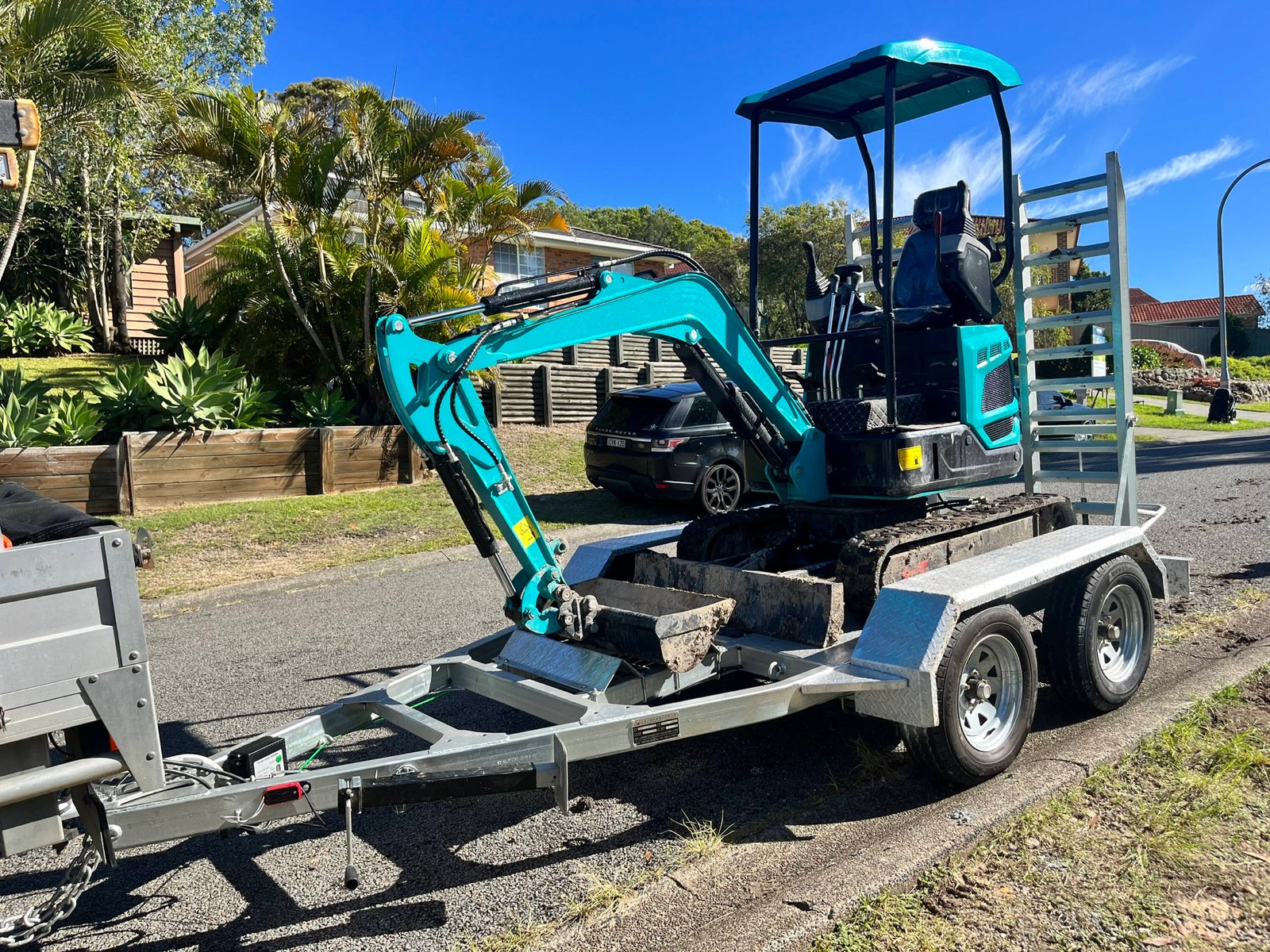
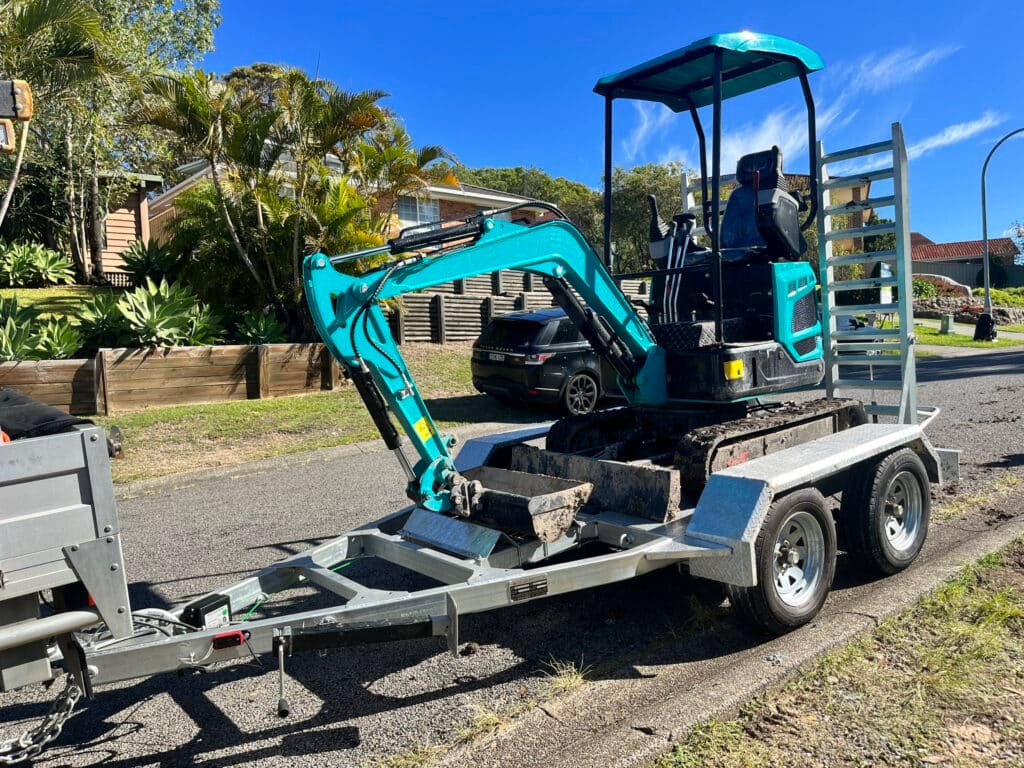
Exporting heavy machinery brings its own challenges: shipping cost, container/flat-rack choice, port handling, customs duties, and local assembly or modification. One Reddit thread highlights some of the surprises in shipping construction equipment from China. Make sure to factor these into your total cost.
3. The Chinese mini-excavator market snapshot
3.1 Production volume & growth
China’s role in the mini-excavator market is far more than an “affordable alternative”. As the article in Boleo puts it: “China has become a global leader in mini excavator production, exporting machines worldwide while meeting strong domestic demand.”
3.2 Export trends and leading regions
Exports of Chinese excavators (including mini-excavators) have been increasing. For example, the manufacturer SANY alone accounted for a substantial export footprint. Many of these exports go to Southeast Asia, Africa, Latin America and also to European markets with CE-approved models.
3.3 Technology shifts (electric/hybrid, attachments)
One of the key trends heading into 2025 is electrification of construction equipment. While larger machines lead the charge, mini-excavators are beginning to follow. China is engaging in zero-emission initiatives and some factories are preparing for battery or hybrid mini machines. Attachments (augers, hammers, quick-couplers) and flexibility are also differentiators.
4. Manufacturer 1: SANY Heavy Industry Co., Ltd. (SANY)
Founded in 1989 and headquartered in Changsha, China, SANY is one of the most globally recognised Chinese heavy-machinery brands.
4.1 Company background
SANY has grown rapidly, now serving many global markets, and is known for a broad product line (excavators, cranes, concrete machinery etc.).
4.2 Mini-excavator portfolio & export presence
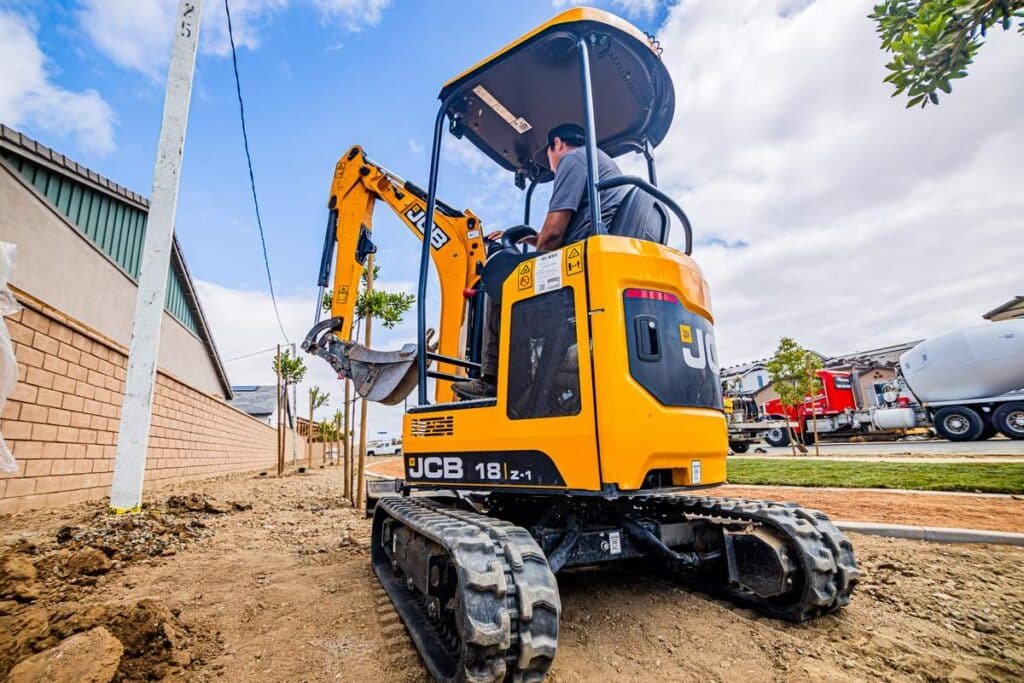
While a heavyweight in the construction equipment sector, SANY also offers mini and small excavator models (for example the SY 35U, SY 16C) and supplies export markets. Their export data show thousands of shipments worldwide.
4.3 Strengths & considerations
Strengths: Globally recognised brand, strong R&D, large support network.
Considerations: Price may be higher than entry-level brands; lead times may be long; large scale means less flexibility for small customisation.
5. Manufacturer 2: XCMG Group
Founded in 1943 and based in Xuzhou, China, XCMG is another major player in heavy equipment and has diversified into mini-excavator territory.
5.1 History & footprint
XCMG is a multi-category heavy machinery manufacturer with exports to 180+ countries.
5.2 Export-ready mini-excavator models
In industry overviews, XCMG appears among the top Chinese mini-excavator brands (covering 1-ton to 8.5-ton size ranges) for export.
5.3 What makes XCMG stand out
With a vastly international distribution network, and large scale manufacturing, XCMG can be a solid choice if you’re looking at branded machines with global support. But as with any large brand, customisation may be less flexible than smaller OEMs.
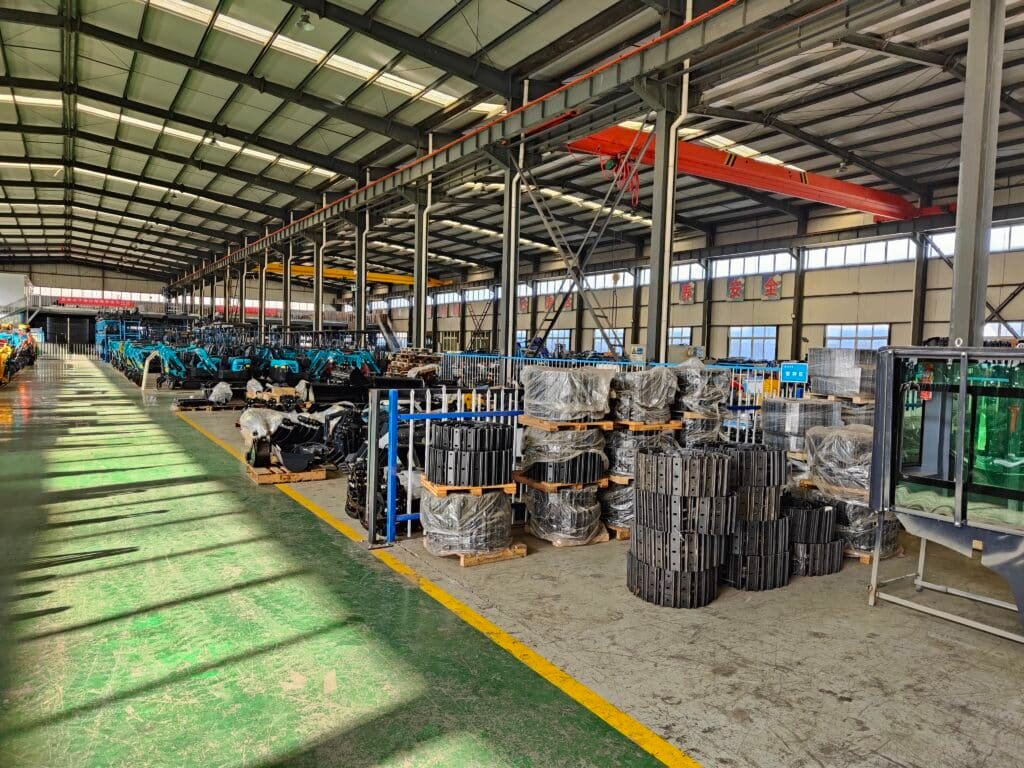
6. Manufacturer 3: SUNWARD Equipment Group
SUNWARD, founded in 1999 and headquartered in Changsha, has grown steadily in compact and mini machinery markets.
6.1 Rise from 1999 to now
SUNWARD began with a focus on compact equipment, including mini excavators, and now exports to 100+ countries.
6.2 Emphasis on compact & electric versions
They are ahead in offering smaller tonnage excavators (0.8 ton upward) and are developing electric mini excavator variants.
6.3 Regional export network
For buyers targeting agrarian, municipal, rental or urban markets, SUNWARD offers flexible models; they may provide good value relative to the big heavy-duty brands.
7. Manufacturer 4: Guangxi LiuGong Machinery Co., Ltd. (LiuGong)
LiuGong, headquartered in Liuzhou and established as far back as 1958, has a long legacy in Chinese construction machinery.
7.1 Established legacy
With thousands of employees and wide global presence, LiuGong is a respected name.
7.2 Mini-excavator models and export angle
Their product line includes mini excavators, meaning they can serve overseas buyers seeking a brand with history.
7.3 Global dealer network
With existing global distribution and parts support in many regions, they may offer an advantage in after-sales and parts access.
8. Manufacturer 5: Shandong Lingong Construction Machinery Co., Ltd. (SDLG)
SDLG is another Chinese brand that has recently expanded its excavator footprint and export presence.
8.1 History & partnership with Volvo
SDLG has roots in 1972 and has developed strong manufacturing capabilities. Their association with Volvo has helped raise their quality benchmarks.
8.2 Compact excavator offering for overseas buyers
For export markets, SDLG offers compact equipment that may appeal when you don’t need the top-tier brand but still want quality and support.
8.3 Service/support in export markets
They have expanded their regional service centres, which can ease concerns about spare parts and warranty.
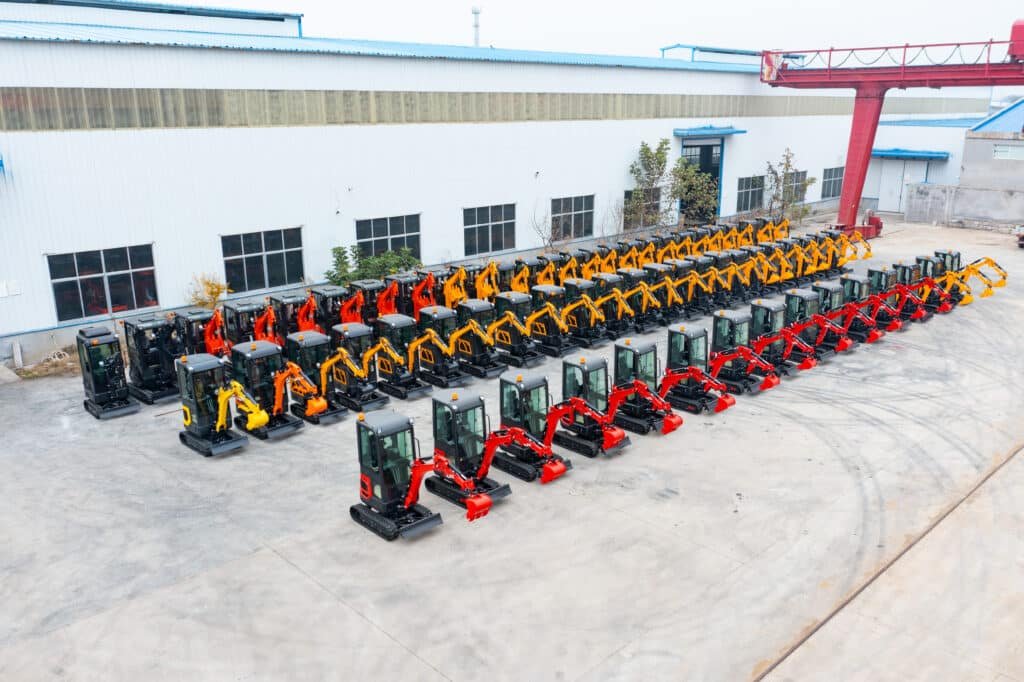
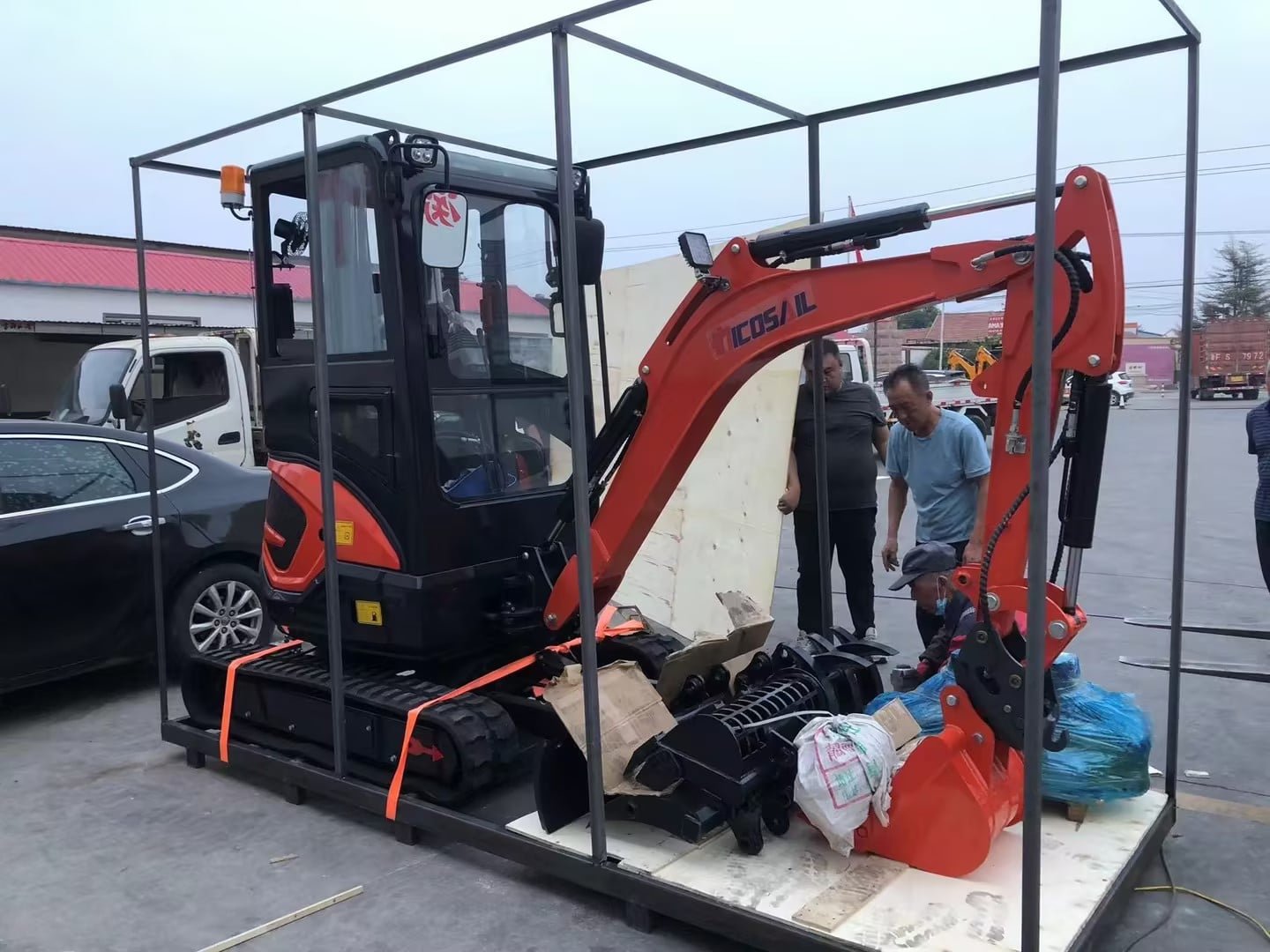
9. Manufacturer 6: Nicosail
Now we turn to Nicosail—an up-and-coming brand worth noting in the 2025 list of Chinese mini-excavator manufacturers.
9.1 Emerging brand in mini-excavators with export focus
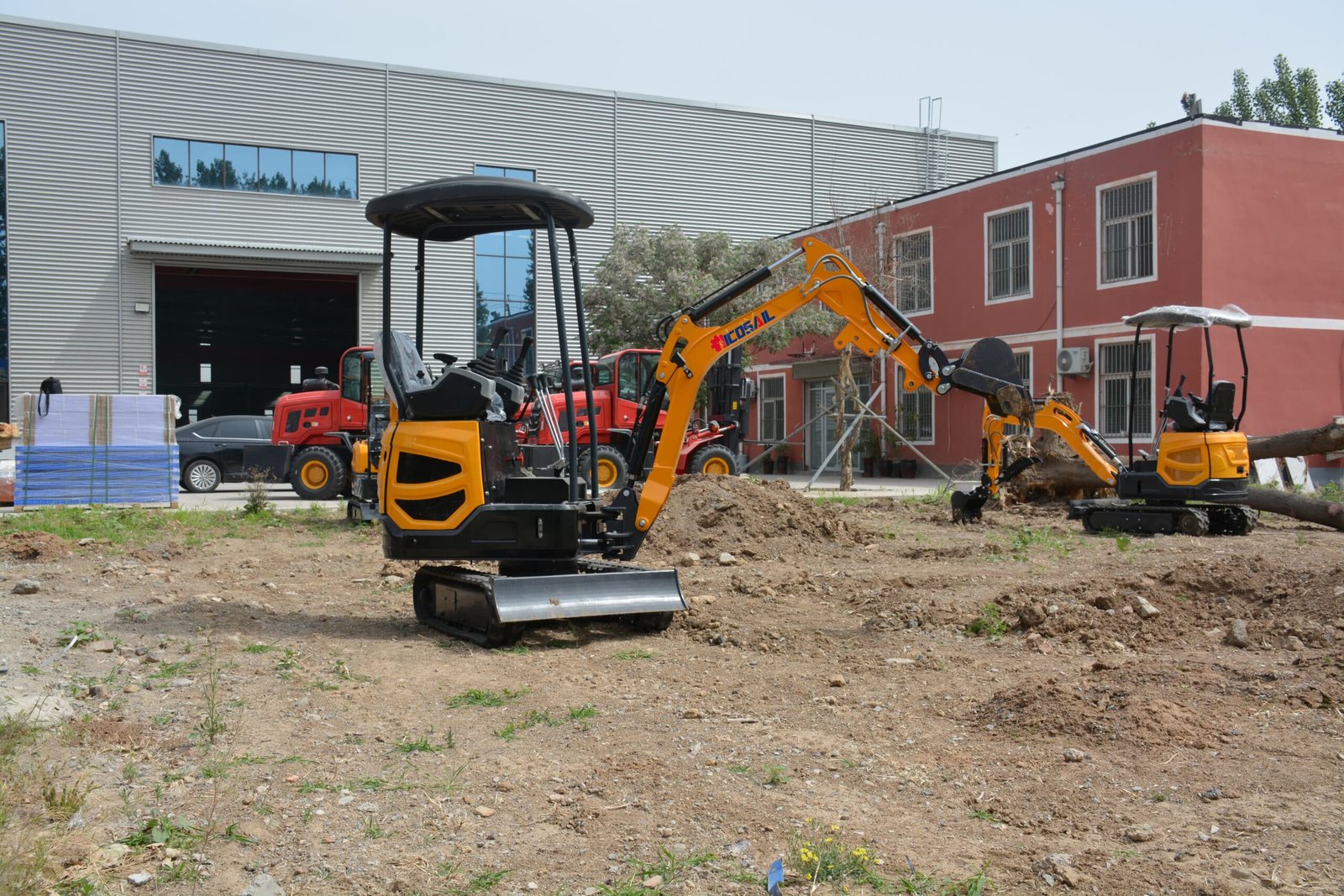
Nicosail appears in industry commentary as one of the “top China mini excavator brands” to consider in 2025. What this means practically is that for some buyers, particularly those in budget or mid-range segments, Nicosail may represent a value proposition.
9.2 What to know about Nicosail’s product lineup
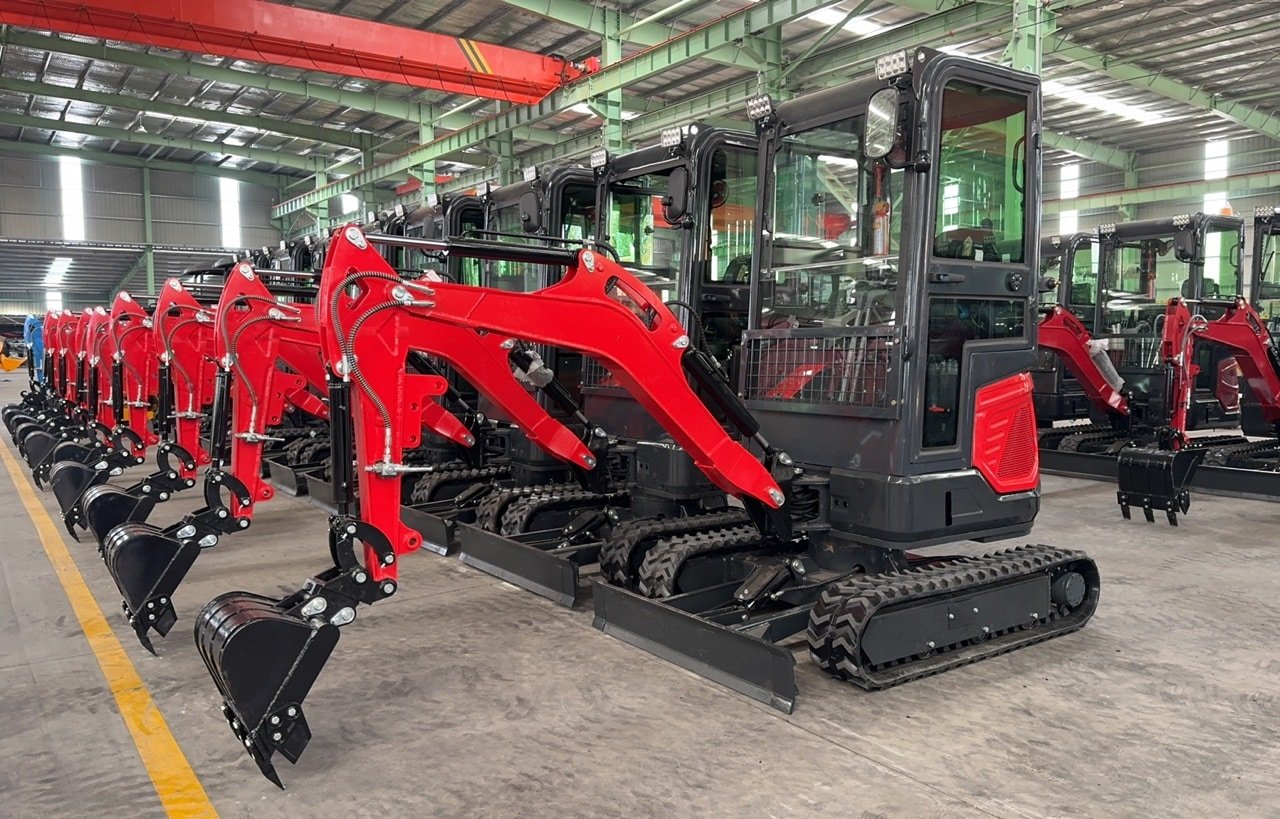
Nicosail’s machines cover roughly 0.6-ton to 6.5-ton categories, with options for different engines (e.g., Kubota, Changchai, Kohler) and export to 80+ countries.
9.3 How to assess if Nicosail fits your needs
- Check whether the specific model you’re looking at matches your site/tonnage/application (e.g., landscaping, trenching, small contractor vs heavy rental).
- Confirm the warranty and service coverage for your region, as smaller brands may have less mature global service networks.
- Ask about certifications and export readiness (e.g., CE mark if exporting to Europe).
- Compare total cost of ownership including shipping, duty, parts, maintenance—not just purchase price.
- Check real-world reviews and experiences (forums, buyer feedback) to see how machines perform in the field.
10. Manufacturer 7: Additional worthy mention – budget & niche brands
Aside from the major players, there are many smaller Chinese manufacturers specialising in entry-level or niche mini excavators aimed at DIY, rental or light-duty applications. Some of these focus primarily on certain markets (e.g., Africa, Southeast Asia) and offer highly competitive pricing. According to one overview, smaller brands offering base models in the 1-3 ton range serve DIY or small contractor segments.
If you don’t need a top-tier brand, or if you’re dealing with low-hours applications, these niche brands can be perfectly valid—but again, focus on support & parts.
11. How to choose the right Chinese mini-excavator manufacturer
To make your sourcing decision smoother, here’s a checklist that reflects real-world sourcing experience.
11.1 Matching your tonnage & application
Decide whether you need, say, a 1-ton machine for landscaping, or a 6-ton machine for contractor work. Make sure the manufacturer’s model suits the job.
11.2 Checking certifications & compliance
Ask for proof of CE mark, EPA compliance (where relevant), ISO9001, and ensure the machine meets export destination regulations.
11.3 Evaluating warranty/parts/spare network
Ask: What’s the warranty length? Are parts stocked locally or easily shipped? How many years is spare-parts availability guaranteed? Who handles the servicing?
11.4 Requesting factory audit or visiting
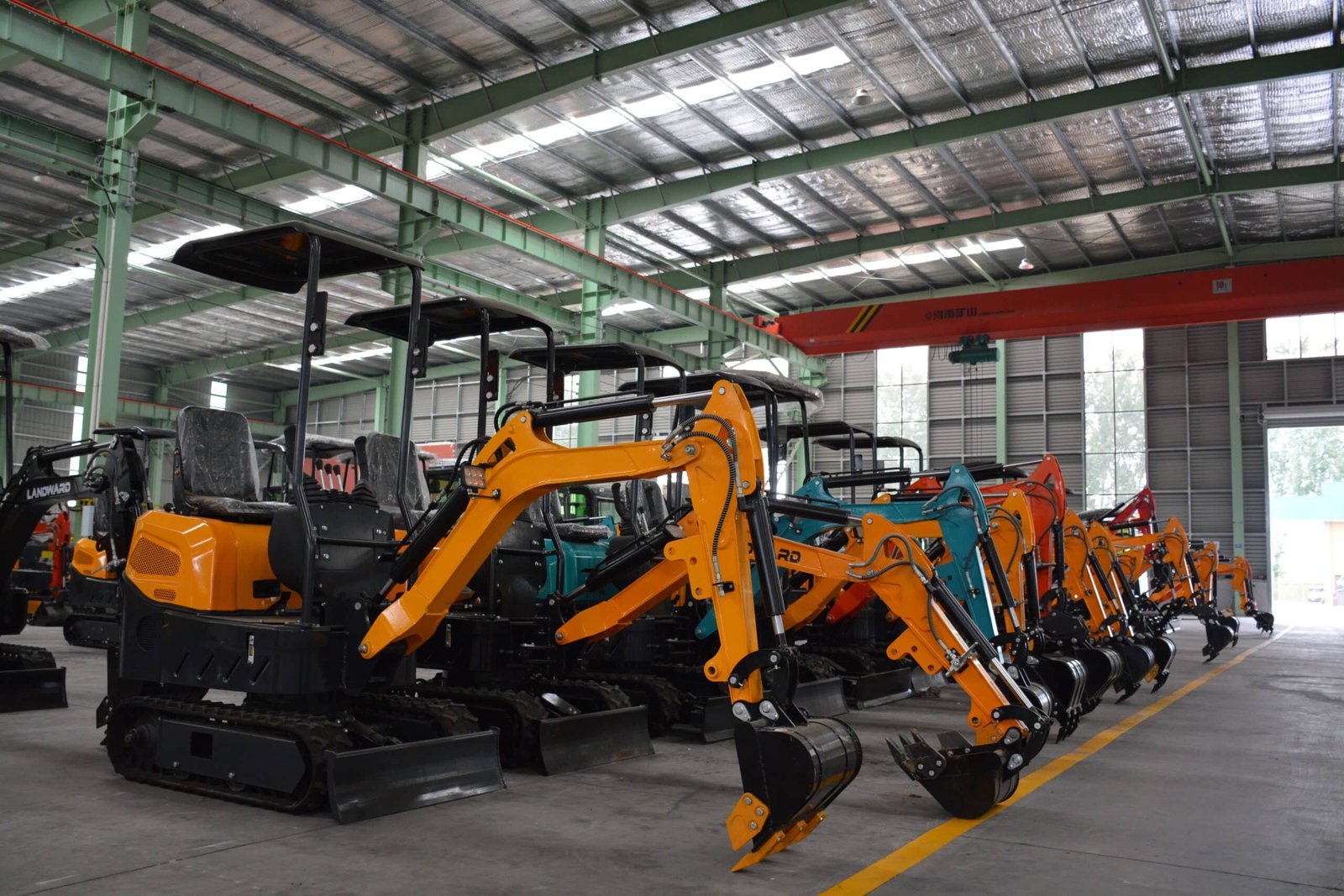
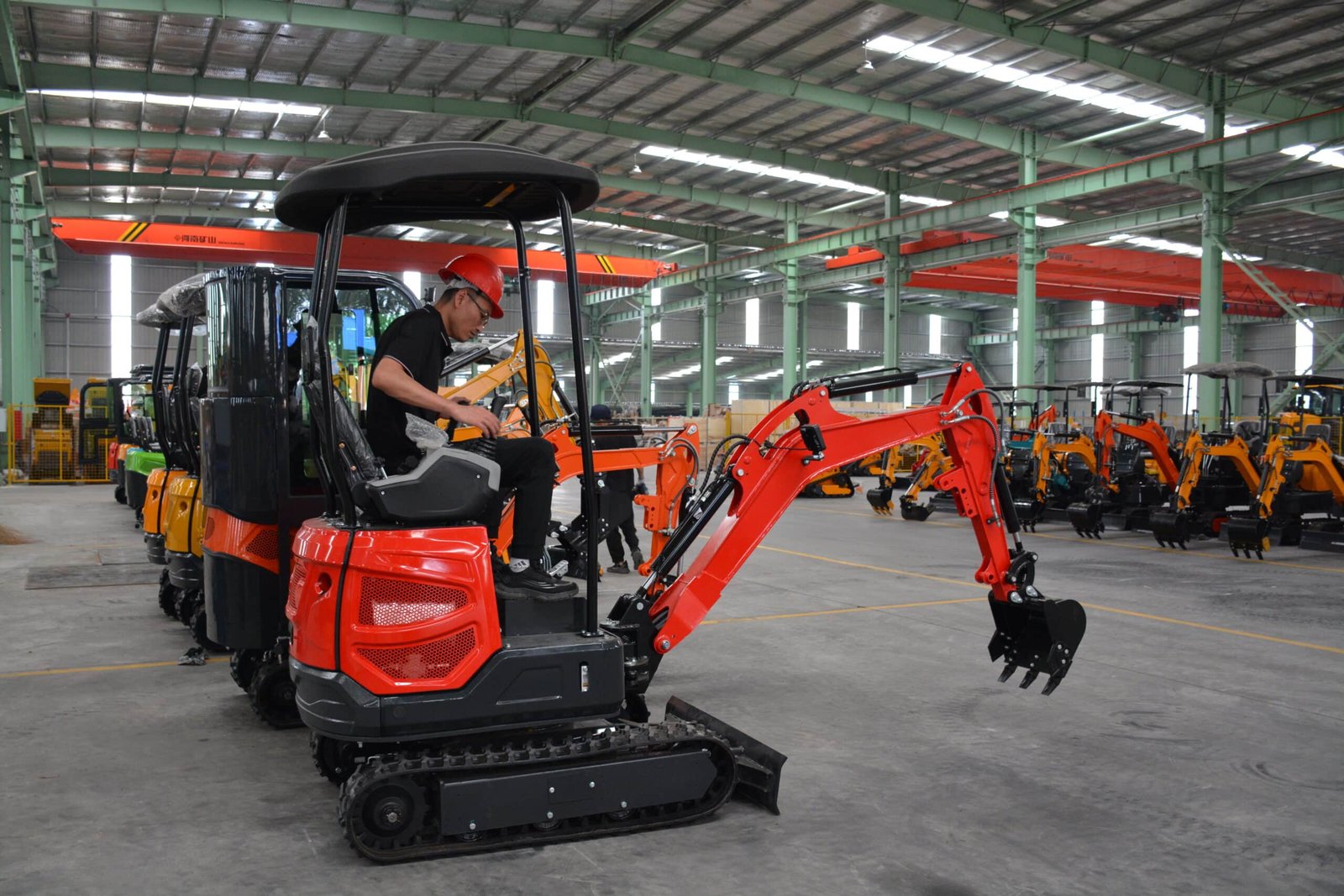
If possible, visit the factory or engage a third-party audit. Verify manufacturing quality, check build-quality of machine, see real floor production.
11.5 Negotiating export terms & payment safety
Define whether shipping is FOB or CIF, who handles container/flat-rack loading, what happens in case of damage, what payment terms are offered (TT, LC, escrow). Also consider duties, customs clearance, local registration.
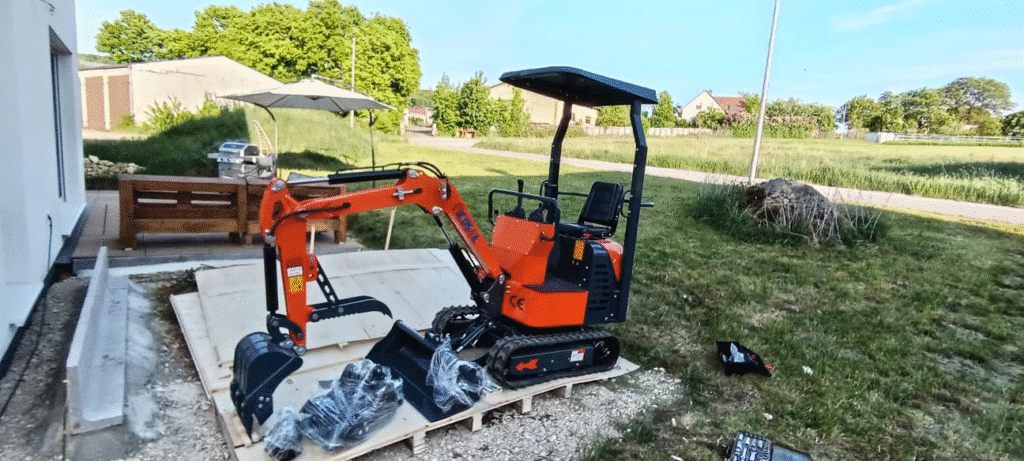
12. Trends shaping the 2025-2028 mini-excavator export market
12.1 Electrification & zero-emission machines
Even compact machines are being affected by global pressure for lower emissions. Some Chinese producers are already developing electric mini excavators.
12.2 Rental and compact urban work growth
Urban infrastructure, landscaping, utility work and rental fleets are increasingly favouring compact machines—which benefits mini-excavator demand worldwide.
12.3 Rising requirements for global after-sales service
As more Chinese machines enter global markets, buyers expect the same level of service, parts supply and reliability as they would from long-established brands.
12.4 Impact of logistics/shipping cost fluctuations
Shipping, container availability and freight costs remain volatile. When importing machinery, fluctuations can materially impact landed cost and ROI.
13. Pitfalls to avoid when sourcing Chinese mini-excavators
13.1 Over-promises on specs
Be cautious if the supplier claims extremely high performance for very low cost without evidence or documentation.
13.2 Hidden costs (shipping, duties, parts)
Make sure you include shipping, port charges, customs duties, inland freight, local assembly if required.
13.3 Language/communication issues
Clear contract language, specification sheet, manual in your language or English, and clarity on what is included.
13.4 Lack of local support or documentation
If spare parts or servicing are far away or complicated, downtime can cost more than saving buying price.
14. Summary & key take-aways for 2025 export buyers
So, what can we draw from this?
- Chinese mini-excavator manufacturers offer very real opportunities—ranging from full-service global brands (SANY, XCMG) to value-oriented players (Nicosail and others).
- Your best choice depends on your specific application, budget, tonnage, after-sales and logistics setup.
- Don’t pick a machine purely on purchase price—consider the full lifecycle cost, parts availability, support, and export logistics.
- Use the checklist above (certifications, warranty, support) to filter suppliers.
- If you are comfortable doing your homework, engaging with factory or local representative, you can find a machine that rivals more expensive alternatives at better cost.
15. FAQs
Q1. What weight range counts as a “mini excavator”?
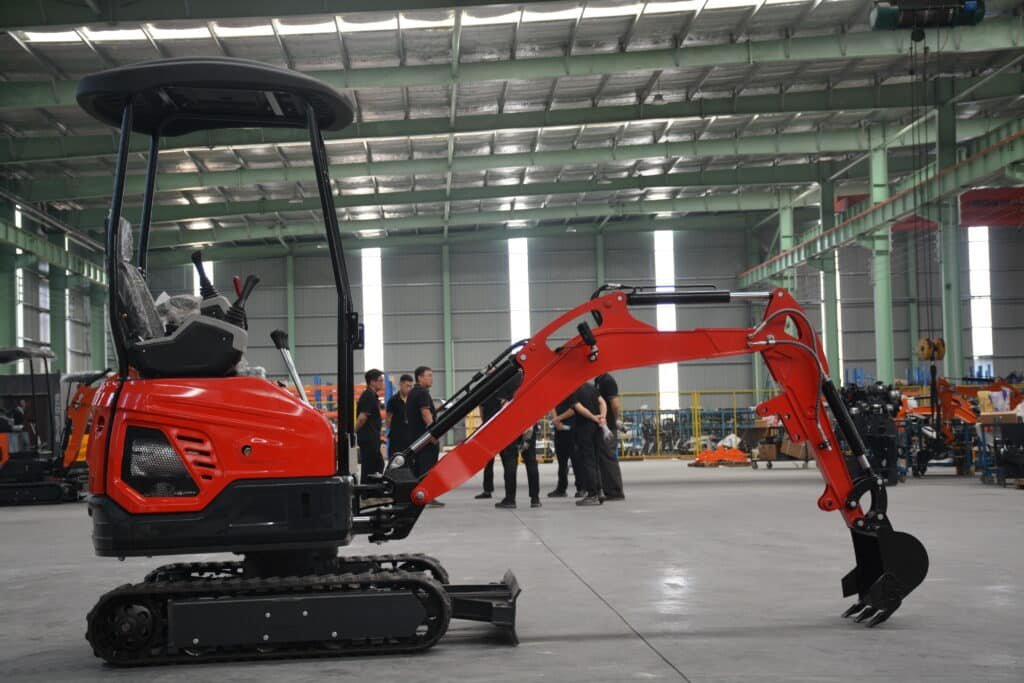
Typical mini excavators are in the 0.6-ton to about 6-ton class. Above that you enter “midi” or full-size excavators. Many Chinese brands cover that full range.
Q2. Can Chinese mini-excavators meet CE/EPA standards for export to Europe or North America?
Yes — many manufacturers now supply export-ready machines with CE certification or other international compliance markings. But you must confirm for each model.
Q3. Are parts and service support reliable from Chinese brands?
It depends on the brand and region. Major players with global dealer networks tend to have better support; smaller brands may require you to plan for parts via direct shipping. Always ask about local or regional service options.
Q4. Why consider emerging brands like Nicosail when big names exist?
Emerging brands can offer very competitive cost-value, flexible configurations and may be better for smaller budgets or less demanding applications. The trade-off may be support depth or brand recognition—but if you’re savvy, you can get a good machine. For example, Nicosail is cited among emerging brands in 2025.
Q5. What should I watch for when importing from China (logistics wise)?
Key items: shipping terms (FOB vs CIF), container/flat rack vs break-bulk, port handling, inland freight, customs duties, local compliance, operator training/manuals. Don’t underestimate those costs.
Q6. How do I evaluate the “value for money” of a mini-excavator from China?
Look at purchase price + shipping + duty + initial set-up + operator training. Then estimate operating cost (fuel/hydraulics), spare parts availability, resale value, service downtime risk. Compare that with alternative brands. If total lifecycle cost is favourable, you’ve got value.
16. Conclusion
Sourcing a mini-excavator from China in 2025 is not only feasible—it can be smart, cost-effective and competitive if done the right way. Whether you go with a heavy hitter like SANY or XCMG, a strong mid-tier like SUNWARD or LiuGong, or a value-brand like Nicosail, the key is matching the machine to your real-world needs, doing your homework, and ensuring you’ve considered support, logistics and total cost. With those in place, your next deal could deliver excellent performance and ROI.