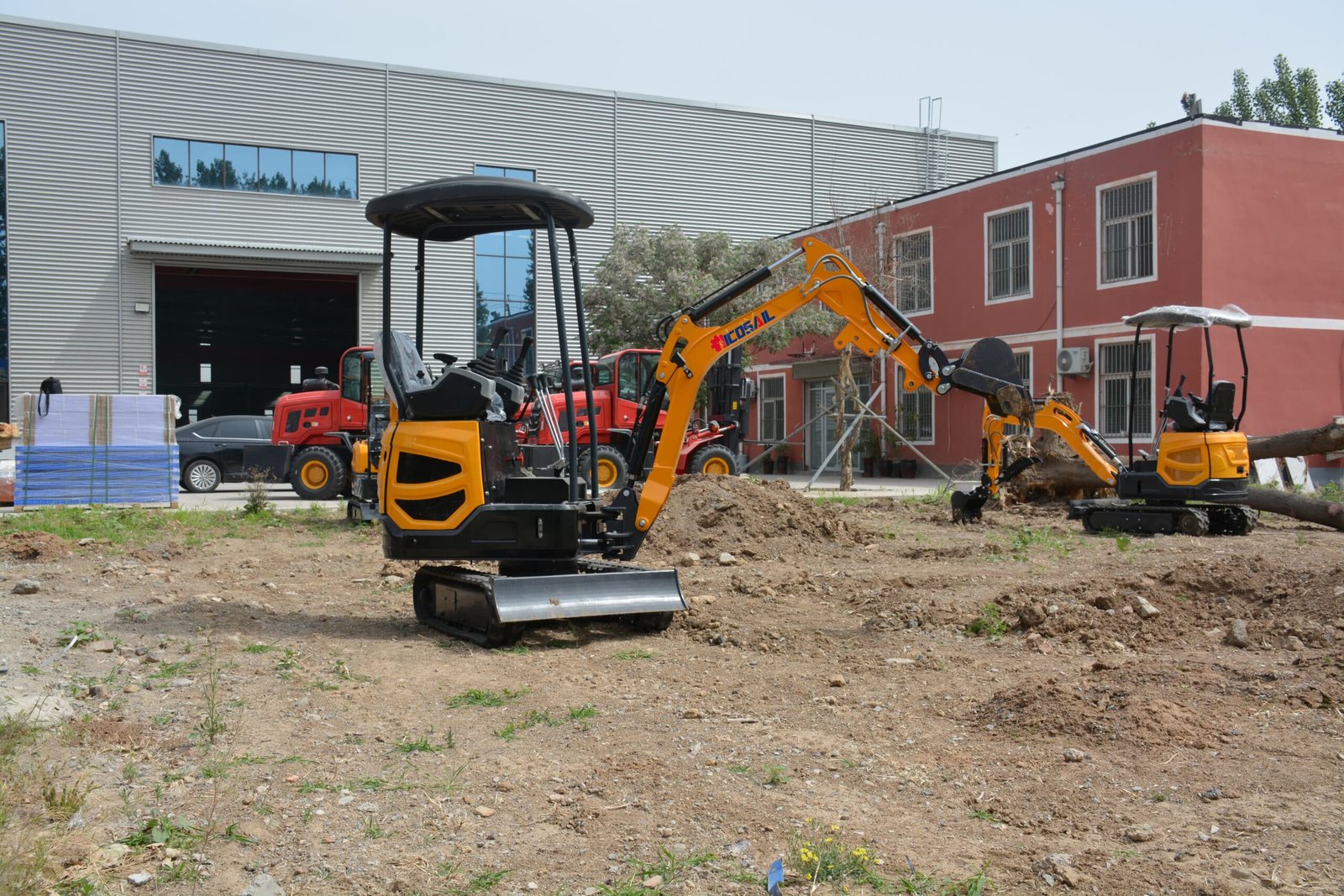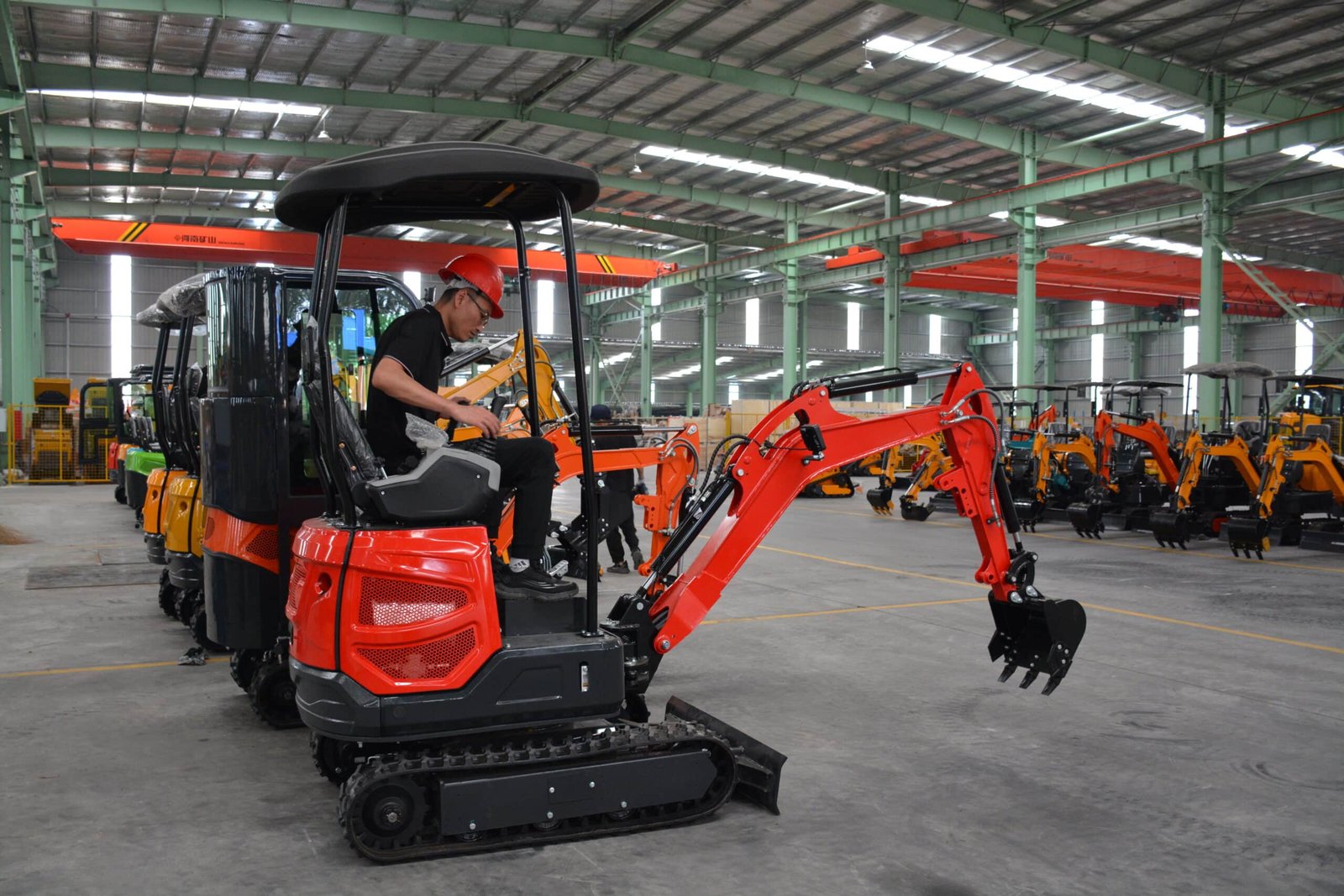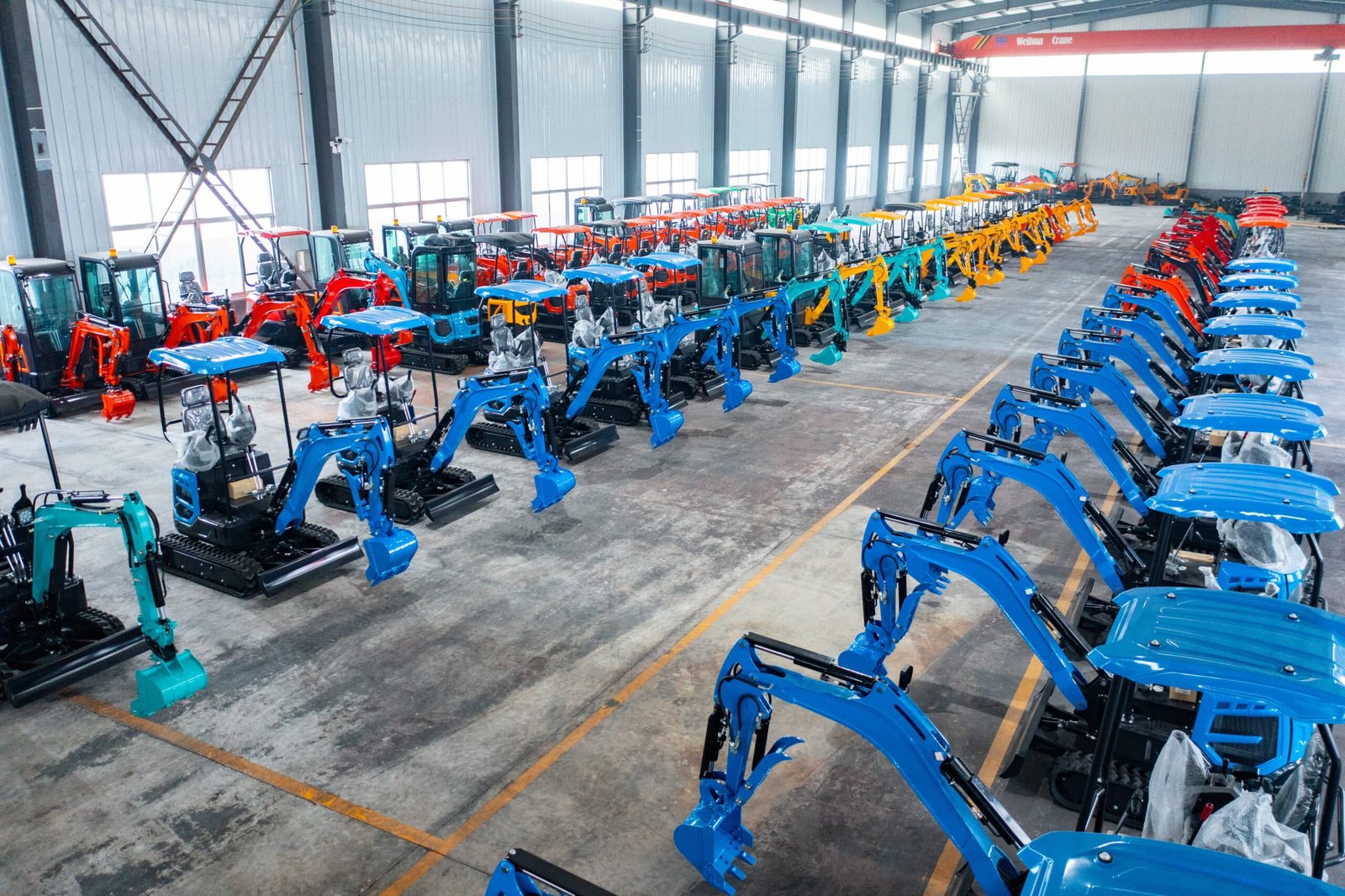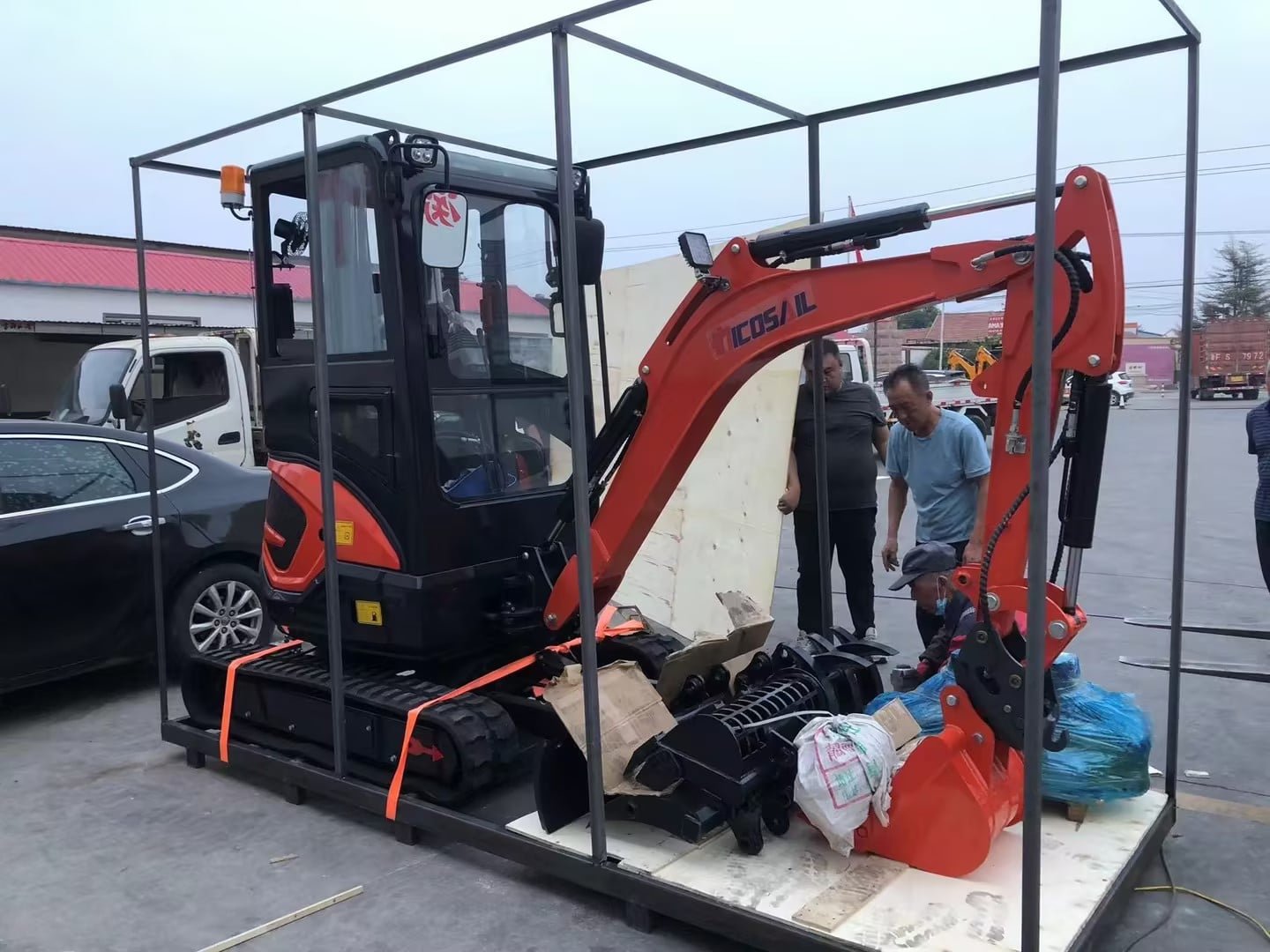
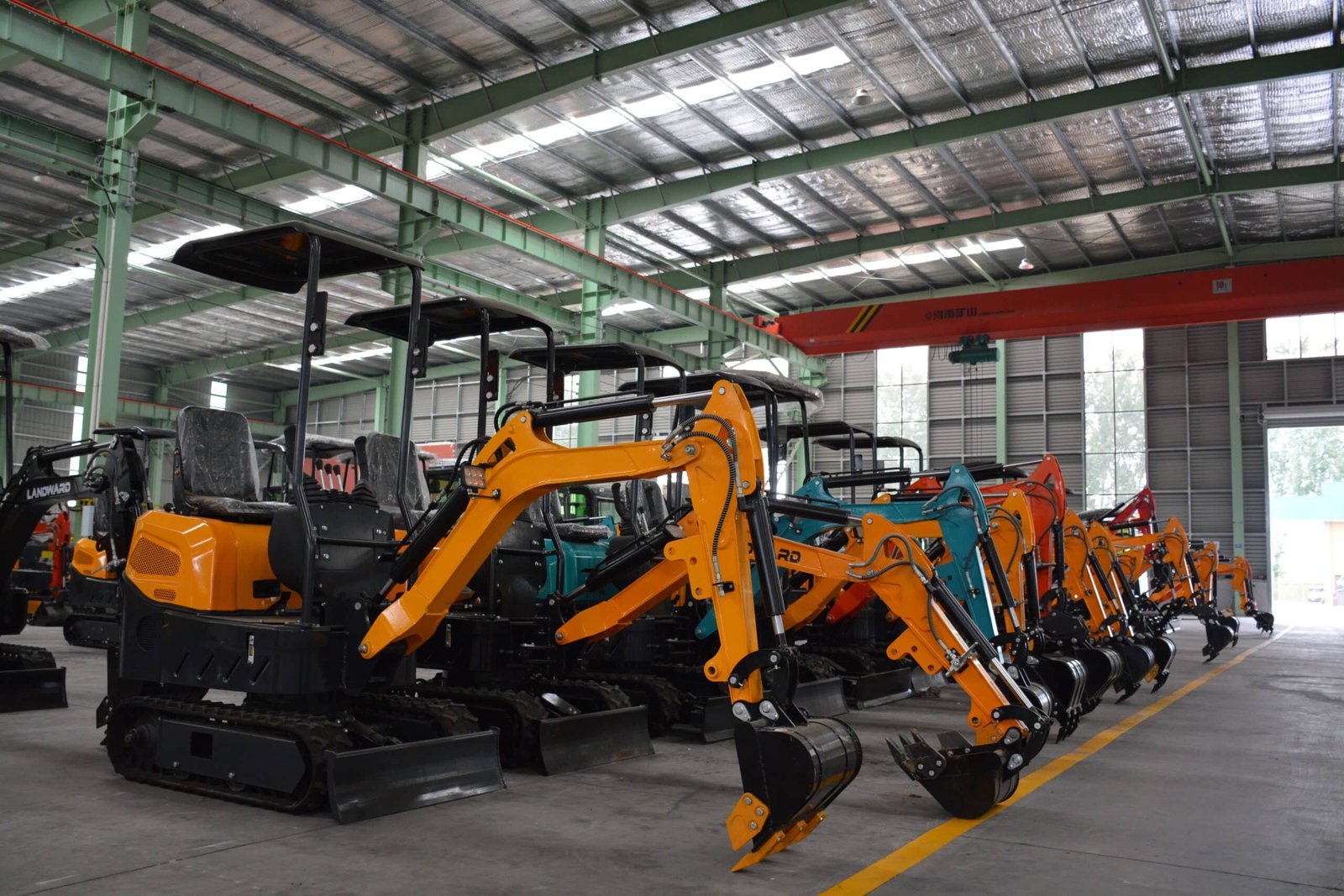
The rental market shift: why “2 ton” suddenly matters
Rental fleets don’t fall in love with machines. Fleets fall in love with utilization—how often a unit is out earning money—and uptime—how rarely it comes back on a hook.
Over the last few years, many fleets noticed a pattern:
- 1 ton class units are easy to move, but they get bounced around, overworked, and often feel “too small” for paying jobs. Customers return them early or ask to swap up.
- 3–4 ton class units are capable, but transport gets harder, the rental rate is higher, and some customers feel intimidated (especially homeowner and light contractor segments).
- 2 ton class units keep landing in the middle: small enough to transport easily, big enough to feel professional, and flexible enough to match the attachment-driven rental business.
That’s why “2 ton China mini excavator” has become a serious search term among fleet managers. Not because the sticker says “2.0,” but because the business math keeps working.
What “2 ton” really means (and why it’s the usable sweet spot)
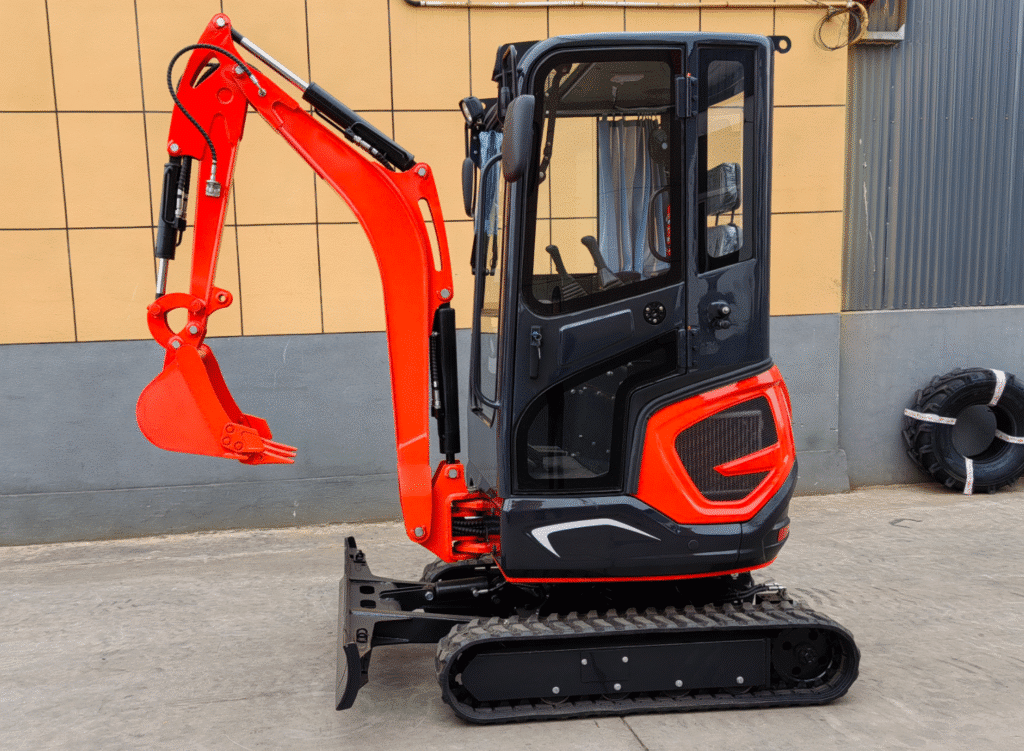
“2 ton” is usually shorthand for a mini excavator around 1.8–2.3 metric tons operating weight, depending on:
- canopy vs cab
- track width and track type
- counterweight size
- boom options (swing boom, long arm)
- attachments shipped with the unit
For rental fleets, that weight band matters because it often hits a practical balance:
- Towable with more common transport setups in many regions
- Stable enough for trenching, light demo, and landscaping
- Strong enough hydraulics to run revenue attachments (augers, breakers, thumbs)
- Simple enough for fast turnaround inspections and basic maintenance
In plain terms: 2 ton machines are where “easy to rent” and “actually productive” overlap.
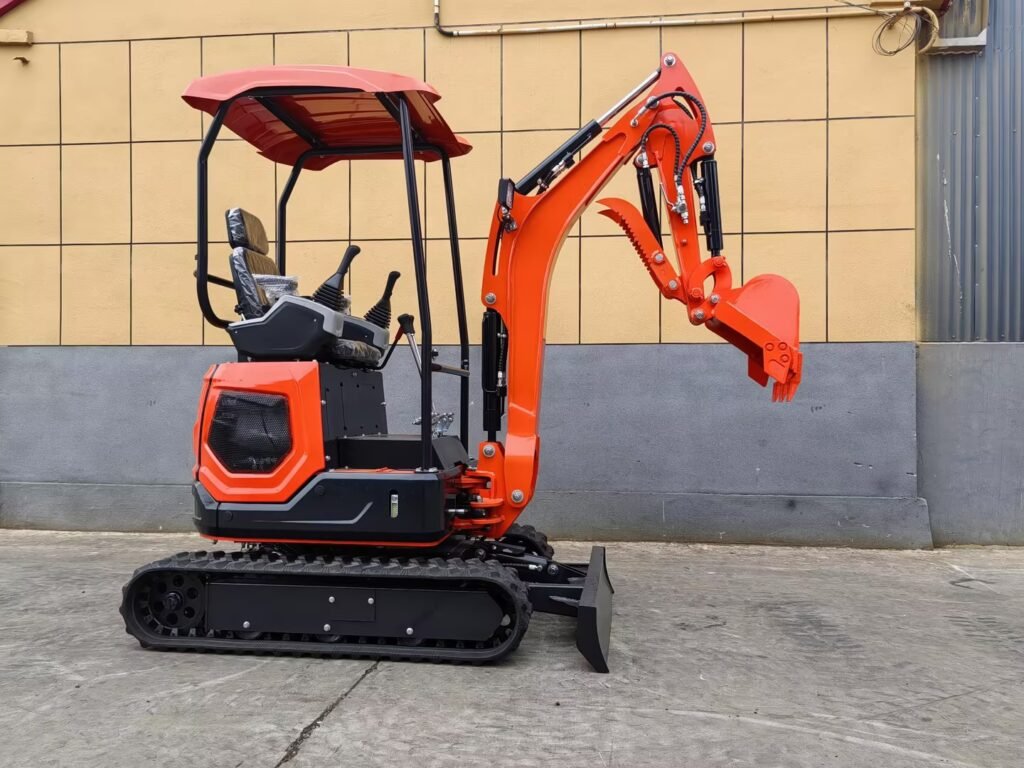
The 7 rental-fleet reasons 2 ton machines win
1) Transport is easy, and easy transport boosts utilization
Rental customers love anything that feels “one trip.” A 2 ton mini excavator is often:
- quick to load
- less demanding on trailer selection
- less stressful for drivers who are not heavy-equipment pros
For fleets, easier transport leads to:
- fewer delivery issues
- fewer customer returns due to “can’t move it” problems
- more weekend rentals and last-minute bookings
Transport friction kills utilization. The 2 ton class reduces that friction.
2) It fits more job sites without “over-machine” complaints
Rental customers don’t always need maximum power. They need a machine that fits:
- residential gates and side yards
- tight urban backfills
- small farms and orchard rows
- interior demolition (with proper ventilation rules and site safety)
A 2 ton unit often feels like the “right size” for customers who want capability but don’t want to manage a large machine.
3) Attachment rentals become realistic, not just theoretical
A big part of rental profit is attachments. The 2 ton class is typically strong enough to run:
- augers (fence posts, tree planting, footings)
- hydraulic breakers (light concrete, rocks, small foundations)
- grapples and thumbs (land clearing, debris handling)
- narrow trench buckets (irrigation, utilities)
Smaller machines may physically mount attachments but struggle in real productivity. The 2 ton class usually delivers “customer feels the difference,” which drives repeat rentals.
4) Lower operating costs than larger minis, but not “fragile small”
Rental fleets care about:
- fuel burn
- wear parts (rollers, idlers, sprockets, tracks)
- pins and bushings
- hydraulic hose damage rates
- downtime per 100 hours
The 2 ton class often avoids the “expensive wear curve” of heavier minis while still staying robust enough for mixed-skill operators.
5) Operator friendliness reduces damage
In rental, not every operator is gentle. So the best rental machines are:
- predictable controls
- smooth hydraulics
- stable stance
- clear daily check points
When a 2 ton machine is tuned well, it feels “confidence-inspiring.” That reduces:
- tip scares
- boom slams
- bucket-cylinder abuse
- track derailments
That’s real money in the fleet P&L.
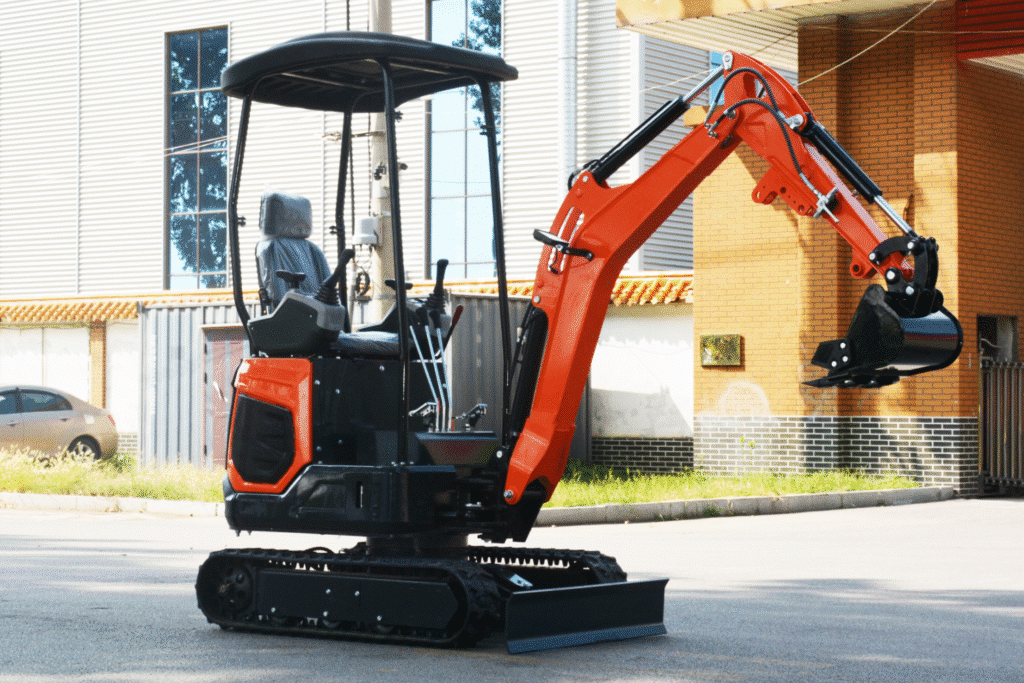
6) Competitive purchase cost improves ROI math
Many fleets started sourcing China-built units because the purchase price vs earning potential can be attractive—if quality is controlled.
A 2 ton mini excavator can often hit a rental “payback window” that fleets like, especially when:
- utilization stays high
- downtime stays low
- parts are available
- warranty handling is clear
This is exactly where supplier selection matters: the low price is meaningless if a unit sits waiting for a valve block or travel motor.
7) It’s a flexible platform for different customer segments
A 2 ton mini excavator can serve:
- landscapers
- utility trenchers
- small contractors
- farmers and ranch users
- property managers
Fleets love machines that rent to multiple customer types, because the busy season varies by segment. Versatility smooths revenue across the year.
Jobs that keep 2 ton units booked all season
To understand why 2 ton becomes a “standard,” look at the bread-and-butter jobs that show up every week:
- trenching for water lines, irrigation, and electrical conduit
- footing and pier holes (bucket + auger)
- small foundation demo (breaker)
- stump removal and root work
- drainage swales and grading prep
- fence line clearing
- barn and yard maintenance on farms
These are not mega-project tasks. They are the repeatable, high-frequency tasks that drive rental volume. A 2 ton mini excavator fits the center of that demand.
The hidden reliability factors that decide fleet profit
This is where many buyers get burned: two machines can look similar in photos, but their “invisible reliability” is completely different.
Hydraulics: smooth is not just comfort, it’s component life
Rental fleets should pay attention to:
- valve machining quality and internal leakage behavior
- hose routing (pinch points, rubbing points, heat exposure)
- proper filtration and clean assembly practices
- cylinder seal quality and rod surface finish
A machine that feels jerky often causes operators to “fight it,” which increases shock loads. Shock loads shorten life of:
- boom/arm weld areas
- swing bearing stress points
- pins and bushings
- travel system components
Smooth hydraulics is a profit feature, not a luxury.
Cooling system: rental machines idle a lot, and idling is heat
Rental units often see:
- long idling while waiting for trucks, crews, or measurements
- low-speed work with limited airflow
- dirty conditions (mulch, dust, demolition powder)
So cooling design matters:
- radiator capacity and fin density that resists clogging
- fan shroud effectiveness
- hose and clamp quality
- clean access for daily blow-out
Overheating doesn’t always show up as an immediate failure. It shows up as “mysterious” short life: hoses harden, seals age, hydraulic oil degrades faster.
Structure and welding: the fastest way to ruin ROI
Rental life is harsh on:
- boom foot weld areas
- dozer blade mounts
- swing frame and upper structure joints
- bucket linkage
A rental-friendly build is not about “thick steel everywhere.” It’s about:
- correct reinforcement at high-stress points
- consistent welding procedure and penetration
- proper stress relief thinking in design (no sharp stress risers)
- bushing fit and grease paths that actually work
Undercarriage: the most ignored cost center in mini excavators
In rental fleets, undercarriage wear is a major hidden cost:
- track tension set wrong by customers
- working on crushed concrete
- constant turning on asphalt
- curb climbing
A good 2 ton platform should have:
- durable rollers and idlers
- good sealing to prevent grit ingress
- track frame strength that resists bending
- easy adjustment and clear instructions
Undercarriage problems don’t just cost parts; they cost rentals when the machine is down.
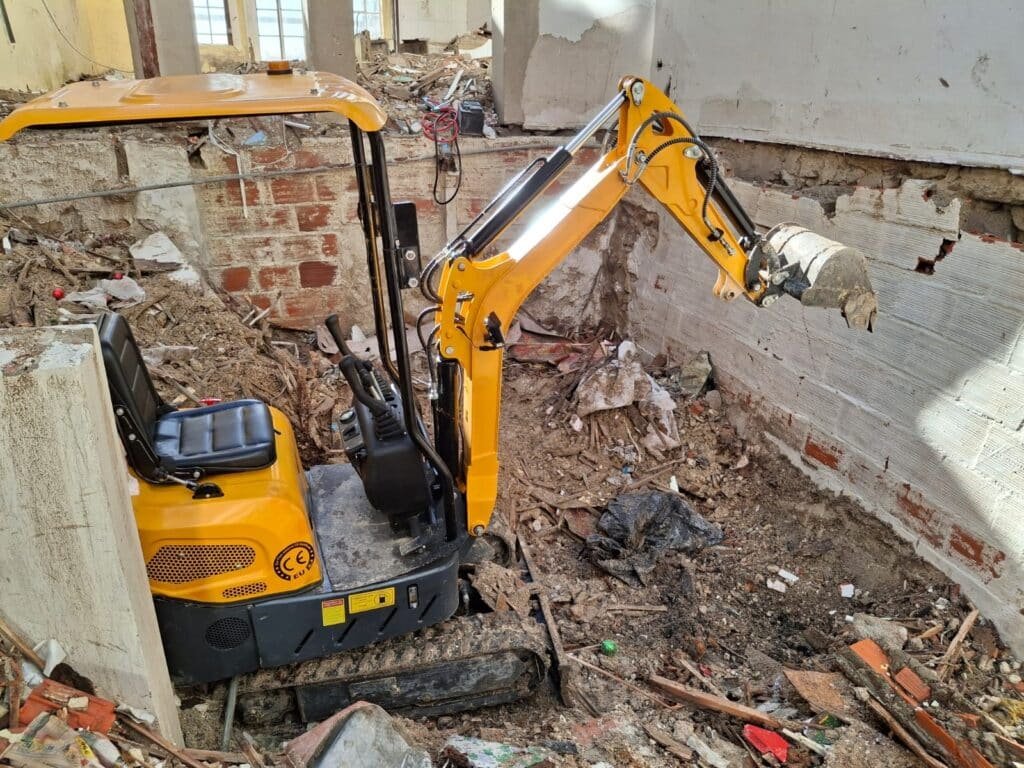
What to spec: engine, hydraulics, undercarriage, structure, attachments
Engine choice: boring is good
For rental fleets, the “best” engine is usually:
- widely supported
- stable quality
- easy parts sourcing
- compliant with local regulations
In many markets, that means selecting a configuration that matches local emissions and support reality. The goal is not exotic performance; the goal is predictable uptime.
Hydraulic system: focus on matching, not just brand names
Buyers often ask, “Is the pump brand X?” That’s not a bad question, but it’s incomplete.
Better questions:
- Is the pump size matched to engine output to avoid lugging?
- Is main valve tuning stable across temperature changes?
- Is relief pressure set correctly and tested?
- Are hoses routed to avoid rubbing when boom swings?
When suppliers build for rentals, the hydraulic layout is usually cleaner, better protected, and easier to service.
Swing and travel: rental customers punish these areas
Look for:
- stable swing braking behavior (no scary lurch)
- travel motor protection from impacts
- secure hose routing around the swivel joint area
- clean access to grease points
Rental machines live or die on these “daily abuse” systems.
Attachments: standardize your fleet offering
A simple fleet strategy that works:
- standard quick coupler option (if the market expects it)
- 2–3 bucket sizes that cover 80% of jobs
- one proven auger kit
- one breaker kit matched to the machine’s flow/pressure
Avoid offering too many random attachments early. Standardization reduces training, parts stocking, and customer confusion.
Common failure points seen in the field (and how to avoid them)
1) Hose rubbing and “mystery leaks”
Cause: hose routing too close to moving joints, poor clamps, or sharp edges.
Fix: demand protected routing, abrasion sleeves, proper clamp spacing, and photos/videos of full-range movement tests.
2) Overheating complaints in dusty work
Cause: radiator clogging, weak shroud design, hard-to-clean layouts.
Fix: choose a design with easy cleaning access and provide renters with simple daily blow-out instructions.
3) Pins/bushings wear too fast
Cause: poor grease paths, loose tolerances, renters not greasing.
Fix: select machines with robust bushing design and make greasing simple and visible; consider fleet check-in grease policy.
4) Electrical small issues that steal time
Cause: loose connectors, poor grounding, water ingress.
Fix: insist on sealed connectors where possible, tidy harness routing, and proper fusing layout.
5) Track derailments
Cause: wrong tension, weak alignment, poor operator habits.
Fix: clear tension spec label, simple adjustment access, and a 2-minute “how to” card attached to the machine.
None of these are glamorous, but these are the things that decide if a fleet owner is smiling or angry at month-end.
Inspection checklist for importers and rental owners
This is the practical part—what to check before committing volume orders.
Factory-level checks (before shipment)
- Hydraulic pressure and flow test records (at least basic relief pressure confirmation)
- Leak inspection after warm-up (not just cold idle)
- Cylinder drift test (basic check for internal leakage behavior)
- Track frame alignment check
- Weld visual consistency at key stress points (boom foot, blade mounts, upper frame joints)
- Paint and surface prep quality (especially edges and weld seams)
- Parts list and wear parts availability confirmation
Pre-delivery inspection (when it arrives)
- check all fluid levels and look for air in hydraulic oil
- confirm slew/swing smoothness and braking feel
- test travel speed consistency left vs right
- run full-range boom swing watching hose clearance
- confirm grease points are functional
- check bucket linkage play out of the crate (it happens)
- confirm serial plates and documentation match
A rental fleet should treat PDI as a repeatable process, not a one-off event.
Parts, service, and training: keeping uptime high
Stock the “rental reality” parts
The best spare parts shelf is usually:
- filters (engine + hydraulic)
- common hoses and fittings
- seal kits for the most-used cylinders
- track-related wear items depending on usage
- electrical basics (relays, switches, fuses)
Downtime often comes from small things, not big failures.
Make the renter do less thinking
Rental damage drops when the machine teaches the customer:
- simple decals for tie-down points
- daily check icons (coolant, oil, air filter)
- greasing chart
- track tension warning
- QR code to a 60-second “daily checks” video
This is cheap, and it works.
When NOT to pick 2 ton (honest boundary cases)
Even though 2 ton is popular, it is not universal.
Choose smaller than 2 ton if:
- access is extremely tight (gates, indoor work)
- transport limits are very strict
- jobs are mostly shallow trenching and light landscaping
Choose larger than 2 ton if:
- breakers are used heavily every day
- lifting needs are frequent and near max limits
- production trenching in hard soil is constant
- customers are mostly professional crews who want speed over convenience
A fleet that mixes classes often wins: keep 2 ton as the volume backbone, then add smaller/larger units to cover edge demands.
Where brands like Nicosail fit in
When fleets look at China-sourced 2 ton mini excavators, the supplier choice is usually about one thing:
Does the build system support rental life?
That means:
- consistent assembly and cleanliness in hydraulics
- practical hose routing and protection
- structure designed for repeated stress cycles
- repeatable end-of-line checks
- stable lead time and parts support
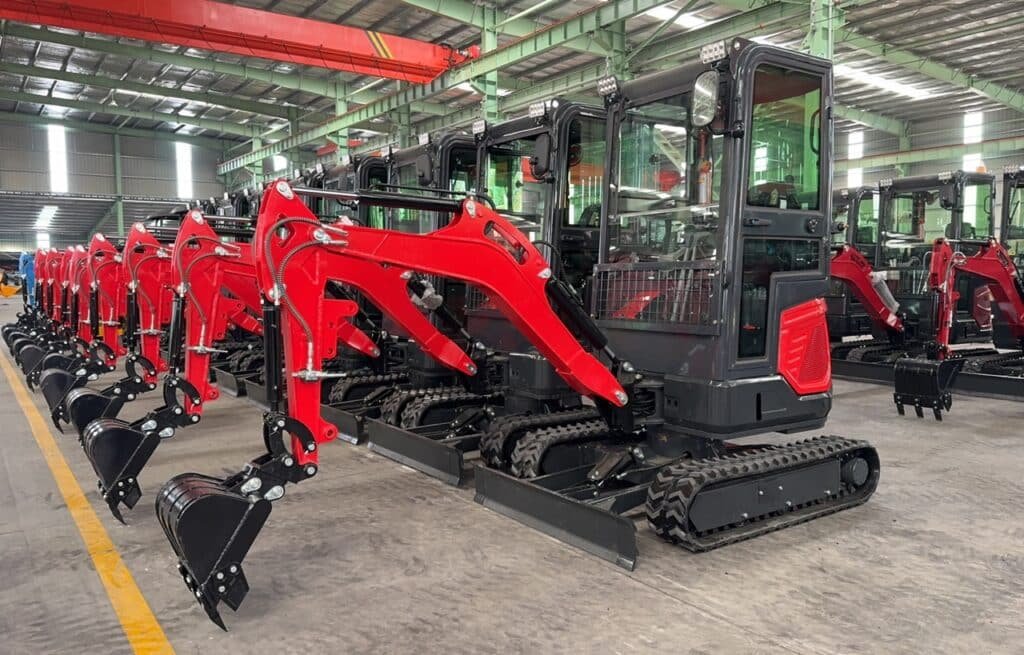
Brands such as Nicosail tend to appeal to fleet buyers who want a dependable platform that can be configured (attachments, canopy/cab style, appearance options for rebranding) while keeping the focus on the boring but important stuff: uptime, serviceability, and consistency.
The key is not buying a logo. The key is buying a machine that behaves the same way across batches—because fleets scale with consistency.
FAQ
1) Why is 2 ton better for rental than 1 ton?
Because renters want a machine that feels capable for real jobs. 2 ton units usually handle tougher soil, run attachments better, and feel more stable—so they get fewer “swap-up” requests and more repeat customers.
2) What’s the biggest risk when buying a China 2 ton mini excavator for rental?
Inconsistent build quality between batches and weak parts support. A low purchase price can quickly disappear if downtime becomes normal.
3) Should a rental fleet choose canopy or cab?
For mixed renters, canopy is simpler and often more forgiving. Cab can command higher rates in some markets and improves comfort, but it adds cost and complexity. The decision should match local customer expectations and climate.
4) Are attachments worth it on a 2 ton machine?
Yes—if the hydraulic flow/pressure is matched and the attachments are standardized. Augers and thumbs often add revenue without huge maintenance burden. Breakers add revenue too, but they increase wear and demand stricter maintenance.
5) What quick checks reveal a “rental-ready” build?
Smooth hydraulics under load, clean hose routing with protection sleeves, solid weld consistency at known stress points, easy cooling system cleaning access, and clear service points.
6) How many spare parts should be stocked for a small fleet?
Enough to avoid waiting on shipping for common failures: filters, hoses/fittings, basic electrical items, and a few seal kits. The exact list depends on rental hours per month and how hard renters treat equipment.
7) What documents should be demanded from a supplier?
At minimum: clear machine configuration sheet, serial number traceability, shipment packing list, and any compliance documents required locally. Also request parts book and service manual before purchase.
Summary
2 ton China mini excavators are becoming the rental-fleet standard because they sit in the most profitable middle ground: easy transport, broad jobsite fit, attachment capability, and strong utilization potential. But “2 ton” on the label doesn’t guarantee rental success. The real win comes from the invisible reliability details—hydraulics layout, cooling design, structure quality, undercarriage durability, and repeatable factory checks.
For fleets building a dependable backbone class, the best approach is simple: spec for uptime, inspect for consistency, standardize attachments, and choose suppliers (including options like Nicosail) that treat durability and serviceability as the product—not just the paint and the price.