Introduction: The Rise of Mini Excavators in Modern Construction
If you’ve walked past a construction site lately, chances are you’ve seen a small but mighty piece of machinery working hard — the mini excavator. These compact powerhouses are redefining how construction projects are executed, from digging foundations to moving materials efficiently. What once required bulky machines and large crews can now often be managed by a single skilled operator using a mini excavator.
Over the past decade, contractors and builders have embraced mini excavators for one main reason — versatility. Whether you’re working in tight urban spaces or managing large-scale landscaping jobs, mini excavators deliver impressive strength in a smaller, more manageable package. Brands like Nicosail have been instrumental in refining this balance between compact size and high performance, making modern construction more adaptable than ever before.
What Are Mini Excavators?
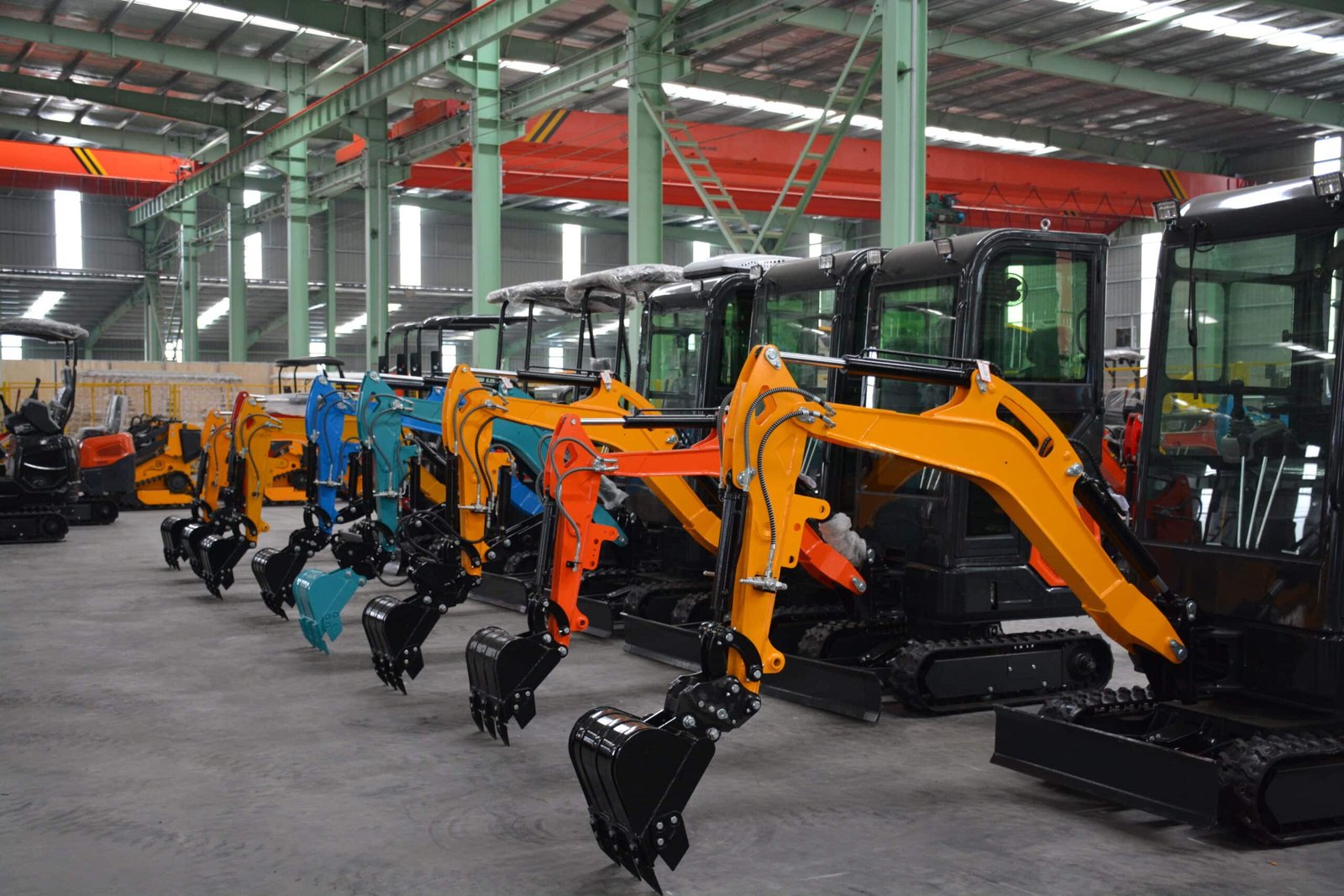
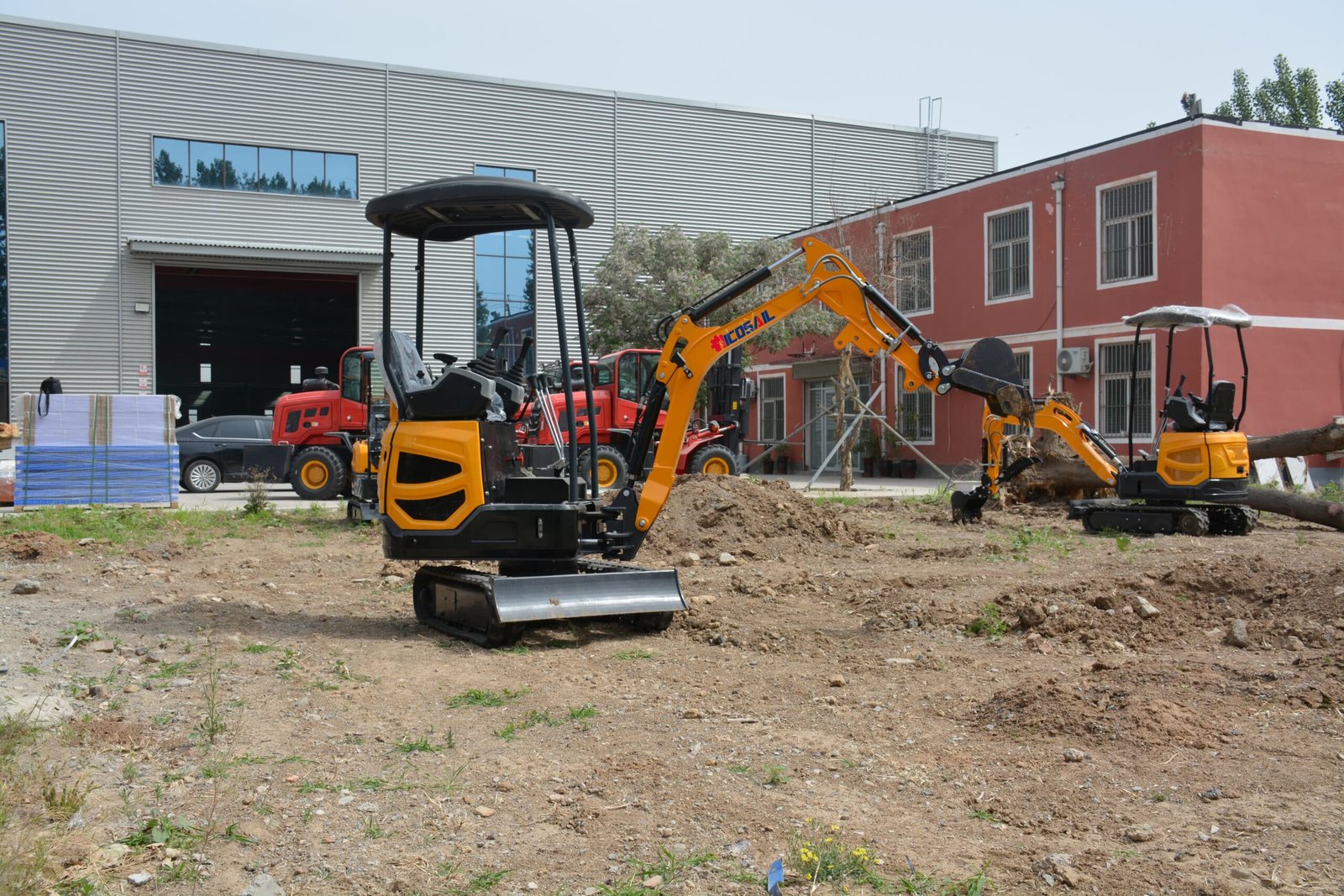
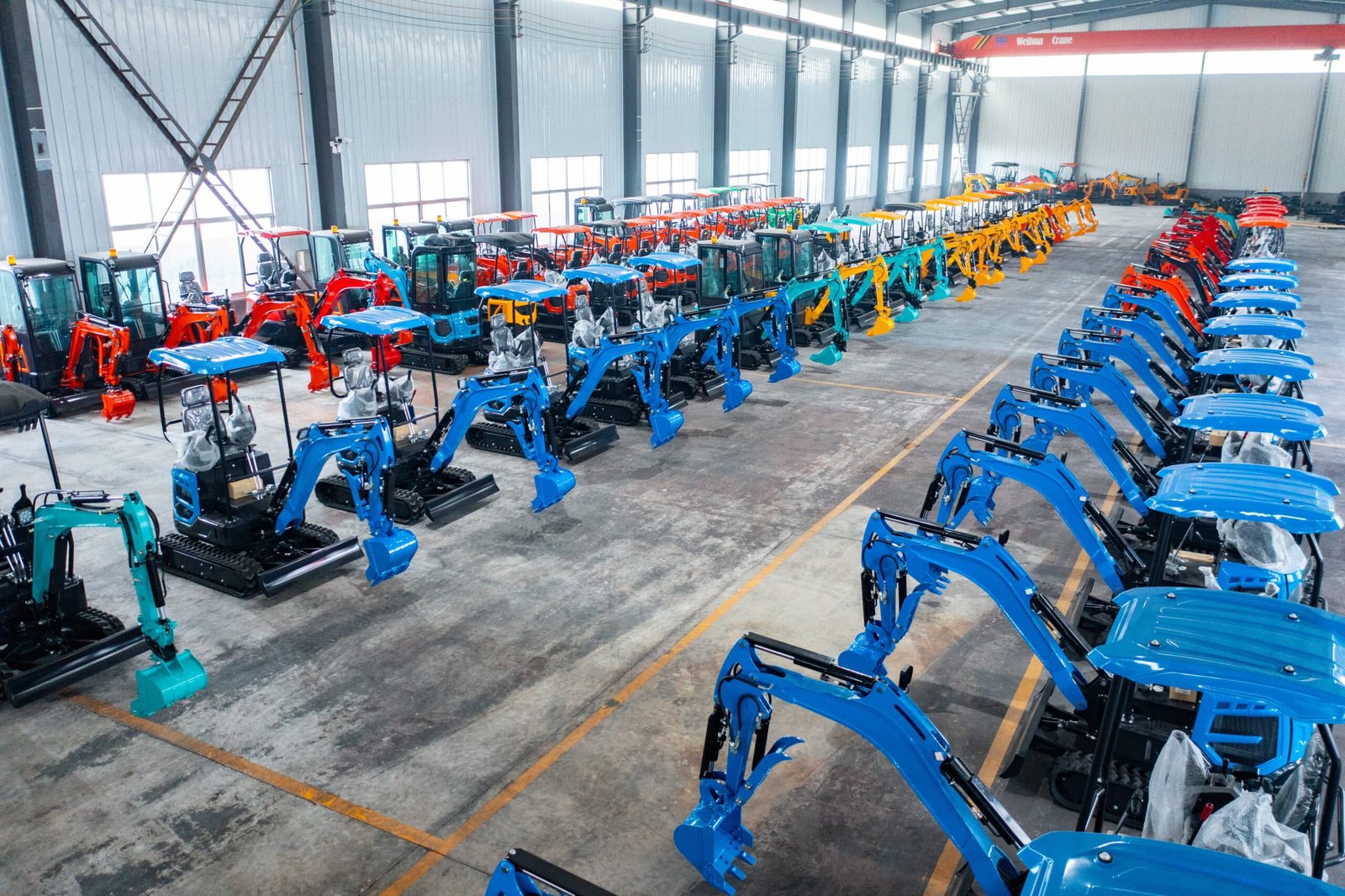
Mini excavators, often called compact excavators, are scaled-down versions of traditional excavators — typically weighing between one and ten tons. But don’t be fooled by their smaller size. They’re equipped with the same powerful hydraulic systems, versatile attachments, and operator-friendly controls as their larger counterparts.
Compact Powerhouses: A Look at Their Design and Function
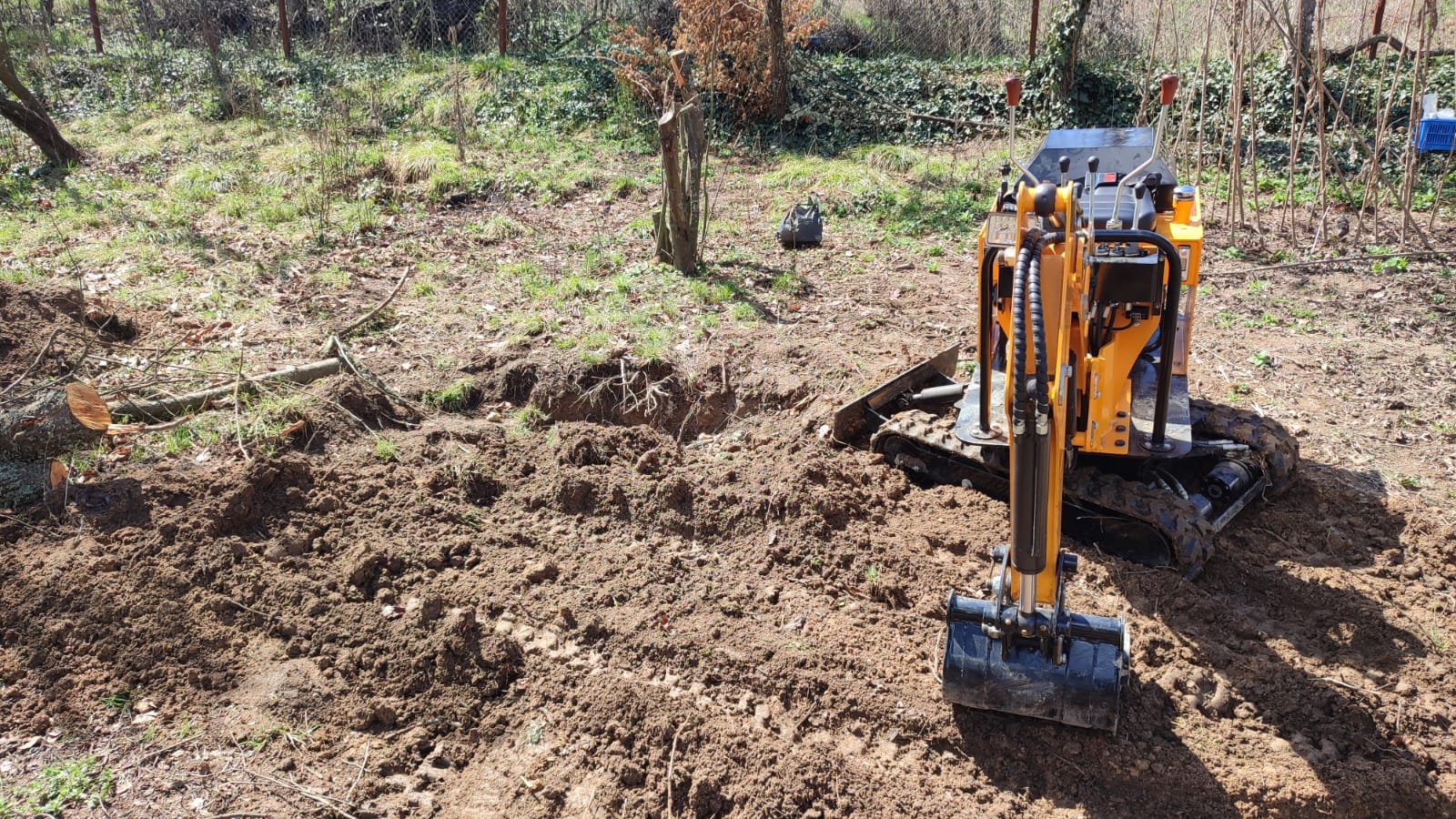
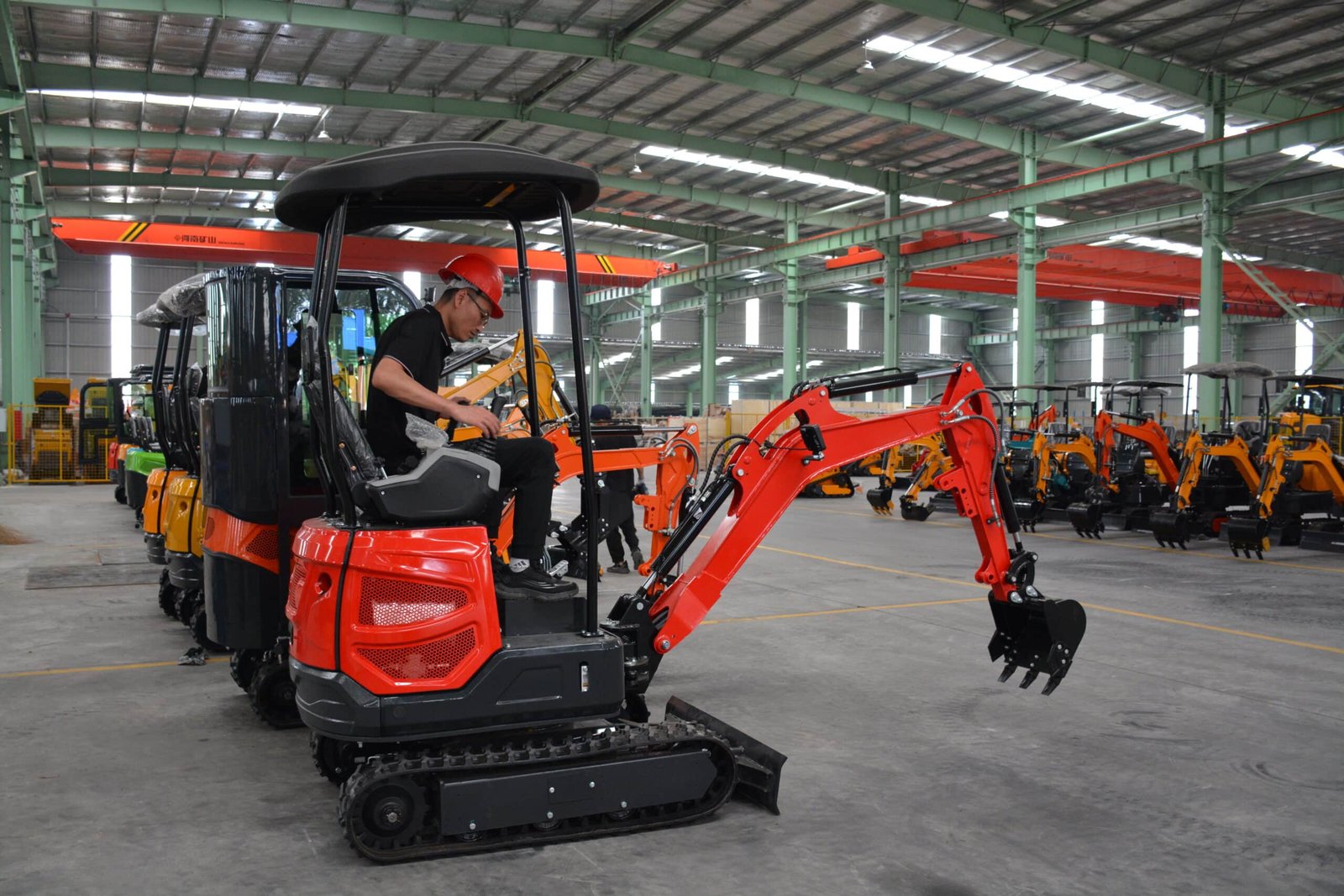
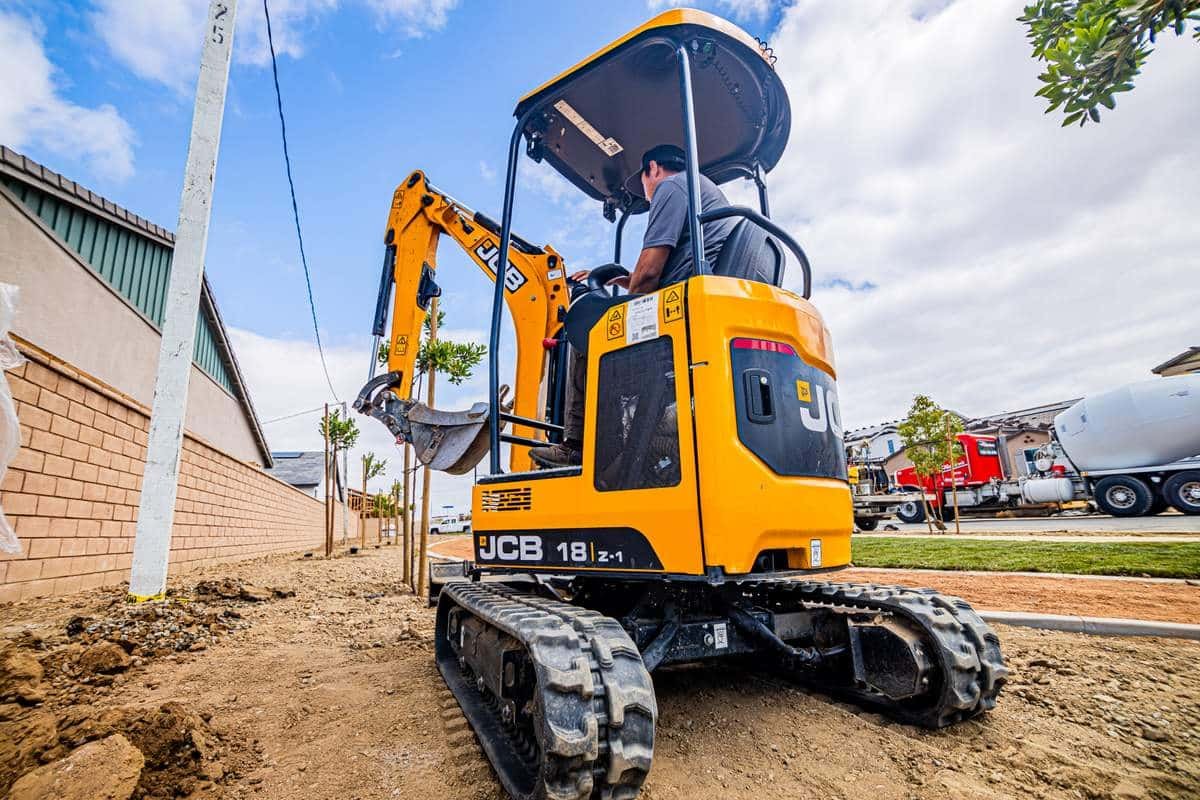
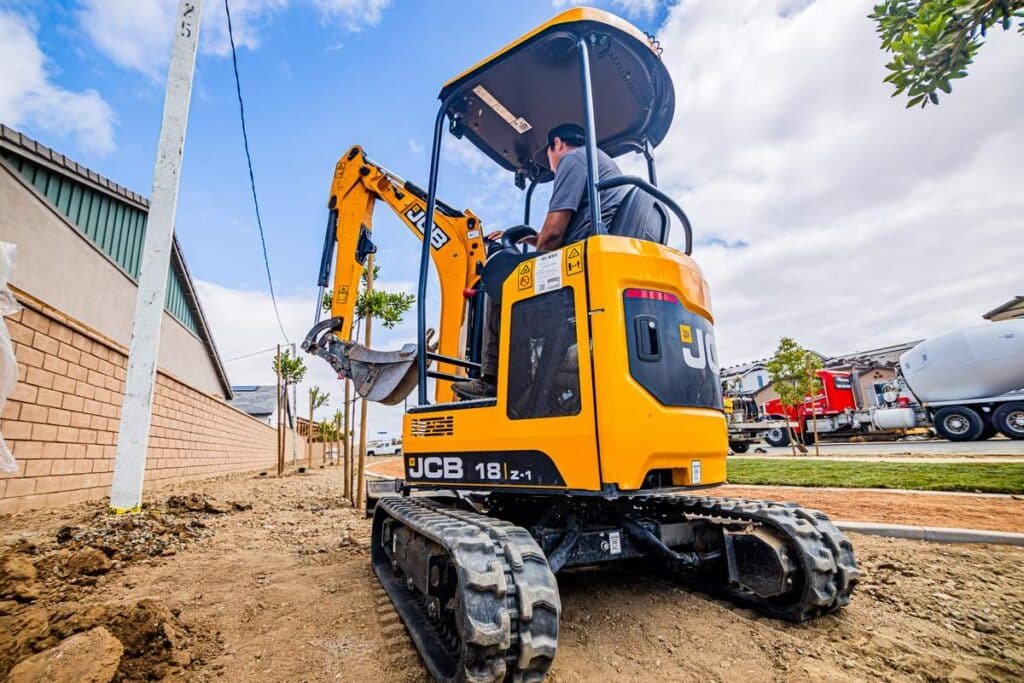
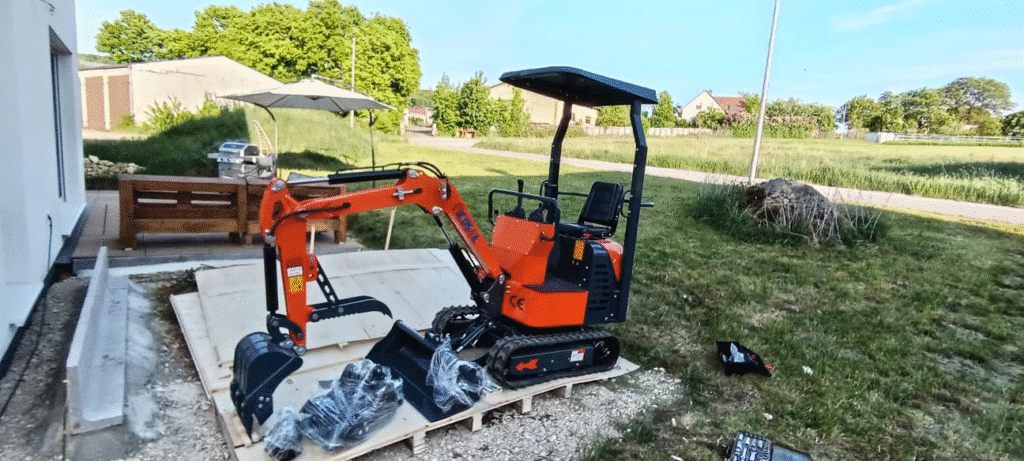
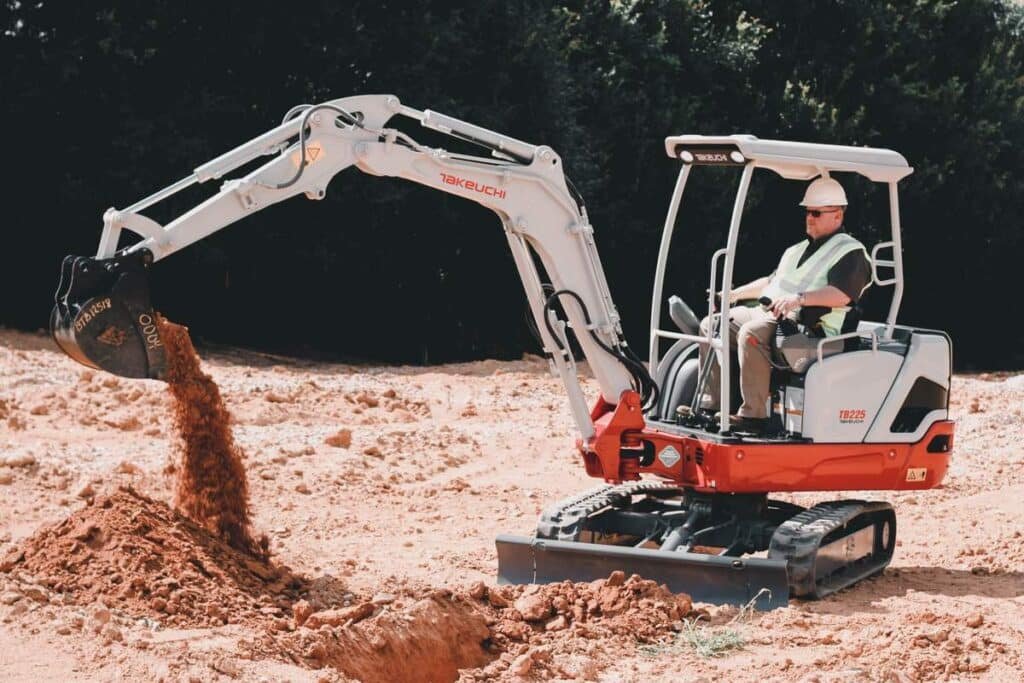
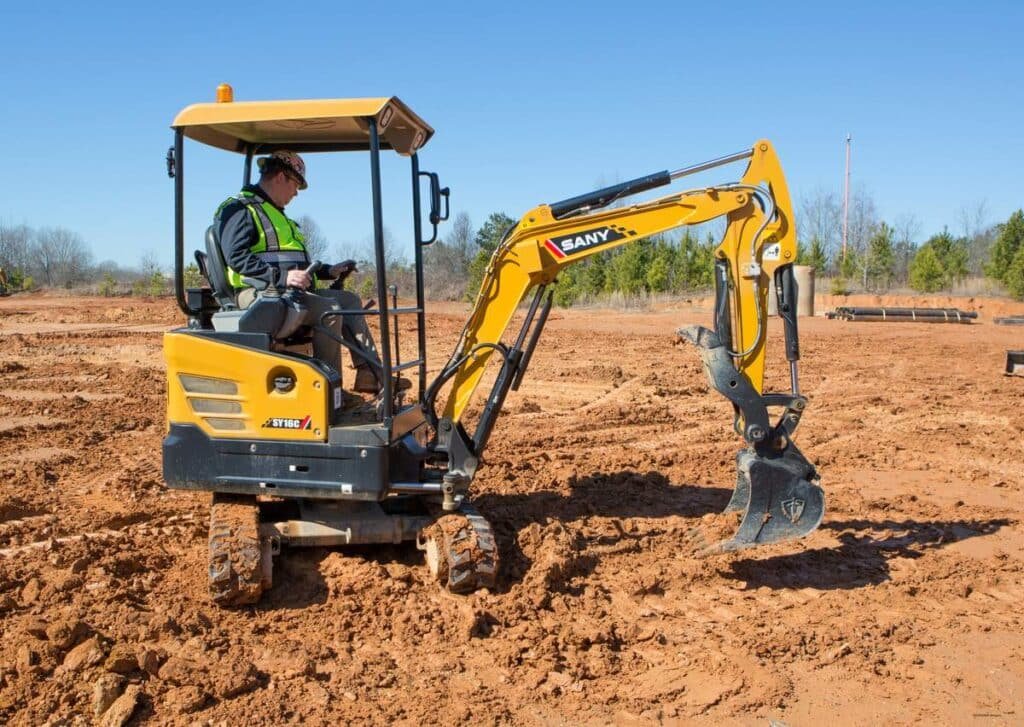
At their core, mini excavators consist of a rotating cab, an extendable arm with a bucket or tool, and a stable undercarriage, often with rubber tracks for better maneuverability on delicate surfaces. This design makes them perfect for navigating tight or sensitive areas — think backyards, driveways, or urban job sites.
How Mini Excavators Differ from Standard Excavators
While standard excavators are ideal for heavy industrial jobs, mini excavators shine when precision, flexibility, and accessibility matter most. They consume less fuel, are easier to transport, and can perform a surprising range of tasks — often replacing multiple larger machines on smaller projects.
The Role of Mini Excavators in Foundation Excavation
Precision and Control in Tight Spaces
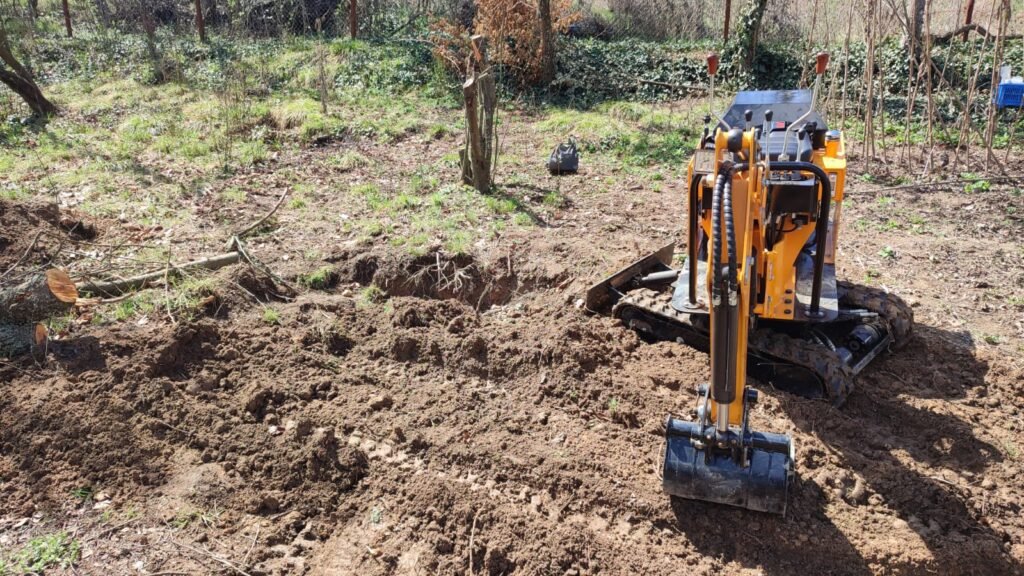
Laying a foundation requires accuracy — and mini excavators excel here. Their compact size allows operators to dig precisely within confined boundaries without disturbing surrounding areas. Whether it’s trenching for utilities or preparing footings for residential construction, they make the work smoother and faster.
Example: Mini Excavators in Residential Foundation Work
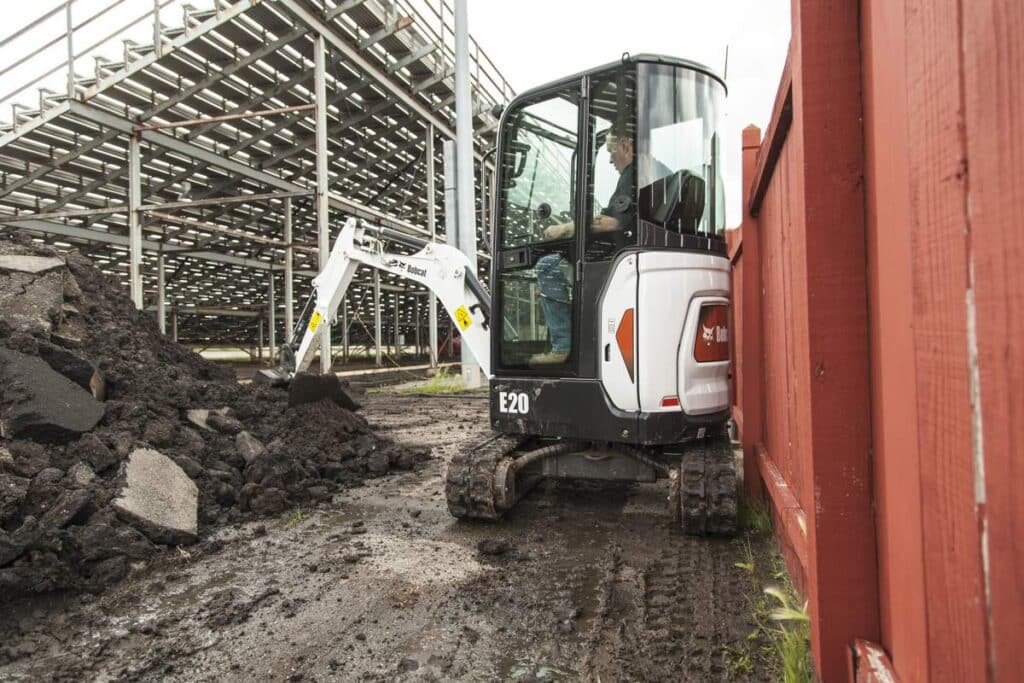
Imagine working on a suburban property with limited access between houses. A full-sized excavator simply can’t fit. A mini excavator, however, slips in easily, excavates trenches or basements efficiently, and minimizes damage to the landscape. Builders often report saving hours — even days — on small foundation jobs thanks to these machines’ agility and accuracy.
Mini Excavators in Material Handling and Site Preparation
Beyond digging, mini excavators are increasingly used for material handling, especially on busy construction sites.
Enhancing Efficiency in Material Transport
With the right attachments — such as grapples, augers, or clamshell buckets — operators can move gravel, pipes, or pallets with ease. This reduces reliance on manual labor or additional heavy machinery. Some manufacturers, including Nicosail, design models that can switch attachments seamlessly, enabling multitasking on the go.
Safe Handling of Debris and Waste
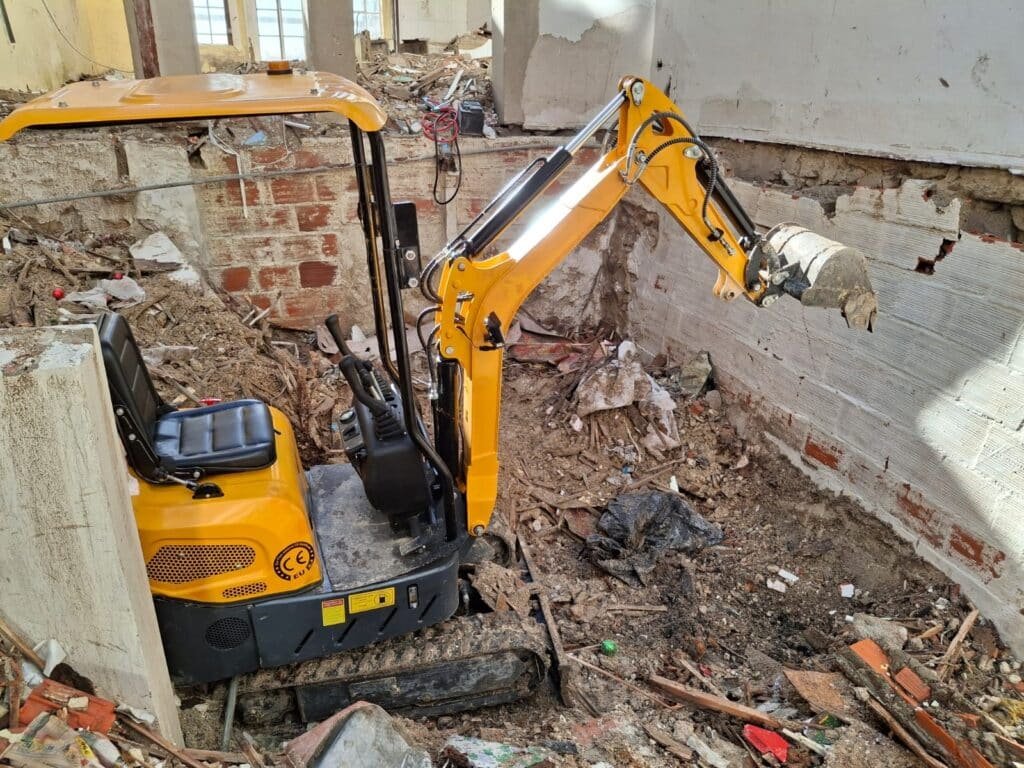
Mini excavators can also clean up after demolition or clear out unwanted debris. Their compact build helps them maneuver safely in crowded spaces while maintaining excellent lifting stability — a must for modern safety standards.
Applications Beyond Excavation: The Versatile Uses
Landscaping and Grading Tasks
Mini excavators are landscapers’ best friends. They’re used for shaping land, planting trees, and building retaining walls. Their precision allows fine grading, reducing manual labor while achieving professional results.
Utility Work: Laying Pipes and Cables
Because of their narrow digging capabilities, mini excavators are ideal for laying electrical conduits, water lines, or drainage systems. They minimize surface damage, making them perfect for public infrastructure maintenance in urban areas.
Demolition and Cleanup Operations
From tearing down old sheds to breaking concrete slabs, mini excavators handle small demolition projects safely and efficiently. Their hydraulic breakers and shears make light work of what would otherwise be back-breaking labor.
Technological Advancements in Mini Excavators
Hydraulic Systems and Smart Controls
Modern mini excavators come equipped with advanced hydraulic systems for smoother, more precise movement. Smart controls make them beginner-friendly, while experienced operators appreciate the fine-tuned response.
Eco-Friendly and Electric Mini Excavators
With sustainability becoming a construction priority, manufacturers are rolling out electric-powered mini excavators. They offer zero emissions, reduced noise, and lower operating costs — perfect for indoor projects or noise-sensitive zones.
Why Choose Reliable Brands Like Nicosail
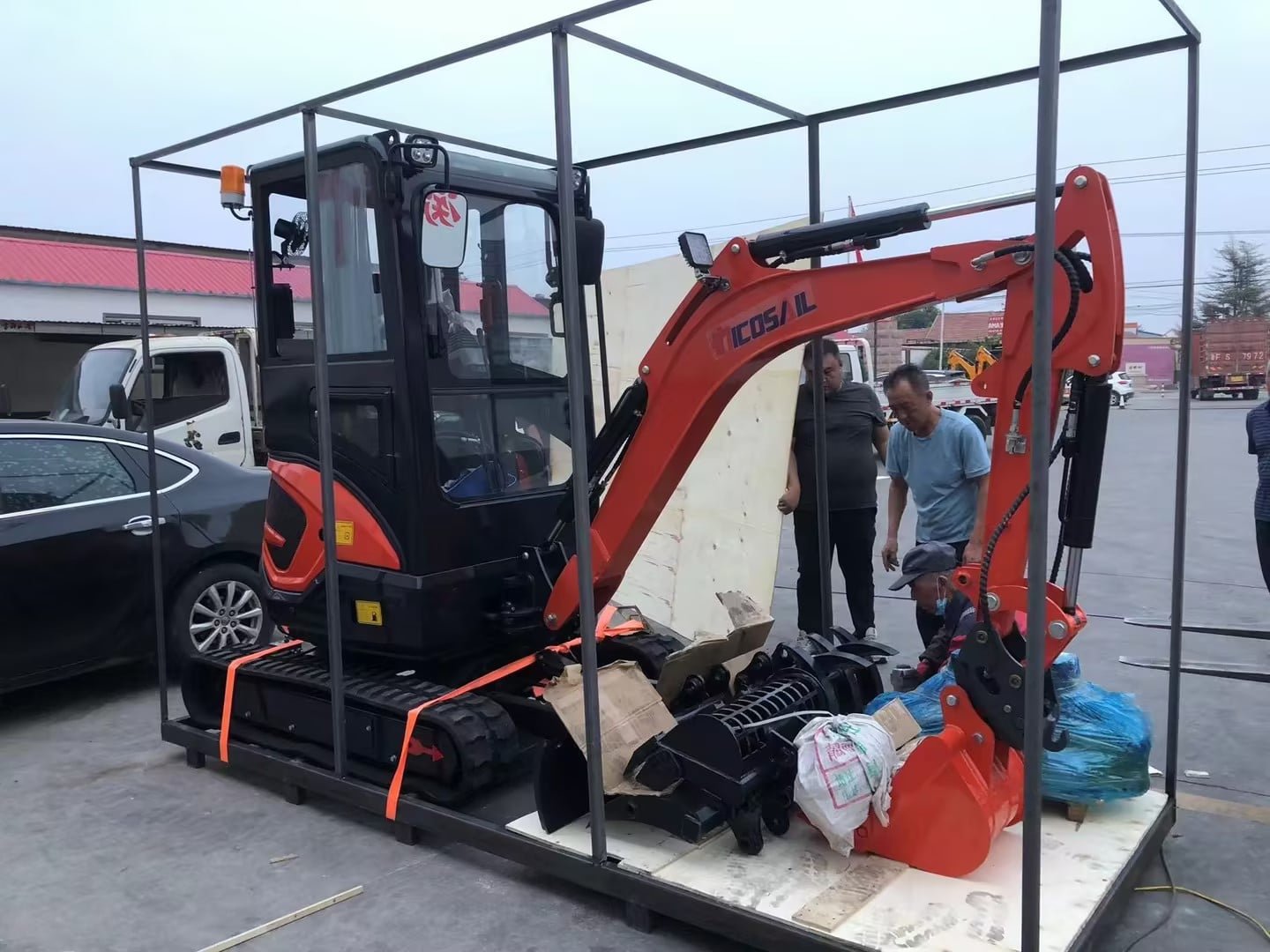
When investing in construction equipment, the brand behind the machine truly matters. A mini excavator isn’t just a purchase; it’s a long-term partner on the job site. That’s why many contractors and small builders choose trusted names such as Nicosail — known for their durable builds, user-friendly features, and strong after-sales support.
Durability, Support, and Operator Comfort
Reliability goes beyond raw performance. A good mini excavator should offer operator comfort, intuitive controls, and reliable components that hold up under tough site conditions. Nicosail, for instance, places emphasis on robust hydraulic systems, reinforced booms, and easy-access maintenance points — details that reduce downtime and boost productivity.
Moreover, their operator cabins are designed for comfort during long hours of operation, featuring ergonomic seating and clear visibility. It’s these subtle but important design choices that make a noticeable difference in day-to-day construction work.
Nicosail’s Approach to Compact Efficiency
What sets Nicosail apart isn’t aggressive marketing, but rather a practical focus on compact efficiency. Their models often combine high breakout force with lightweight frames, which helps operators achieve powerful digging performance without damaging surrounding structures. In smaller residential or municipal projects, that balance is key.
Nicosail’s engineering philosophy demonstrates how modern compact machinery can provide maximum output with minimum footprint — an idea that continues to define the evolution of the mini excavator market worldwide.
Choosing the Right Mini Excavator for the Job
Not all mini excavators are created equal. Choosing the right one depends heavily on your project’s needs.
Understanding Job Requirements
Before buying or renting a mini excavator, it’s important to assess your site conditions, space limitations, and depth requirements. For example:
- Tight urban spaces may require zero-tail swing models.
- Heavy trenching jobs call for machines with greater hydraulic power.
- Landscaping tasks benefit from compact, lightweight excavators with quick attachment switches.
Taking the time to match machine capabilities to job site challenges ensures efficiency and prevents costly delays.
Matching Attachments to Tasks
Attachments transform mini excavators from single-purpose diggers into multi-tool workhorses. You can equip them with:
- Hydraulic breakers for demolition
- Augers for drilling post holes or planting trees
- Thumbs or grapples for handling logs or rocks
- Tilt buckets for precision grading
Brands like Nicosail often offer wide attachment compatibility, allowing operators to customize their machines to suit various jobs — one of the reasons mini excavators have become the backbone of flexible construction operations.
Operator Tips: Getting the Most from Your Mini Excavator
Owning a mini excavator is one thing; using it effectively is another. Here are a few expert tips that can help you get the most out of your machine.
Routine Maintenance Practices
Consistent maintenance keeps a mini excavator in peak condition:
- Inspect the hydraulic lines daily for leaks or damage.
- Clean the air filters regularly to ensure proper engine performance.
- Check track tension and fluid levels before every shift.
- Keep the undercarriage clean to avoid debris buildup.
These small habits extend the machine’s life and reduce unexpected breakdowns.
Smart Operation Techniques
Efficient operation isn’t about speed — it’s about precision. Use slow, steady movements for trenching and rely on your machine’s swing radius to minimize repositioning. Proper planning and smooth coordination of the boom, arm, and bucket movements can save both fuel and time.
If you’re new to mini excavators, training from reputable sources or certified operators (some manufacturers, including Nicosail, offer guidance programs) can make a major difference in safety and efficiency.
Safety Considerations on Construction Sites
Preventive Safety Measures
Every operator should start the day with a pre-operation inspection — checking brakes, lights, and hydraulic systems. The work zone should always be clearly marked, ensuring that no one accidentally enters the machine’s swing radius.
Wearing protective gear and following basic safety practices like using seatbelts, maintaining visibility, and never overloading the bucket are crucial to avoiding accidents.
Compliance with Site Regulations
Construction sites operate under strict safety standards like those set by OSHA and other local authorities. Mini excavator operators should understand these regulations, not just to stay compliant, but to foster a culture of safety across the site.
Training, supervision, and consistent safety checks help maintain a secure work environment for everyone involved.
The Economic Impact of Mini Excavators
Lower Operating Costs and Maintenance
One of the biggest benefits of mini excavators is their low operating cost. They use less fuel than standard excavators and are easier to transport, requiring smaller trailers or even standard pickup trucks in some cases.
Maintenance is also simpler and cheaper. With fewer complex systems to manage, mini excavators deliver excellent return on investment (ROI) for small to medium contractors who juggle multiple projects simultaneously.
Long-Term Value for Small to Medium Contractors
For smaller firms, owning a mini excavator can be transformative. Instead of renting heavy equipment for each job, having your own machine allows flexible scheduling and faster response times.
Over time, the reduced rental fees, fuel savings, and operational independence make mini excavators an incredibly cost-effective asset. Contractors who use brands with proven reliability — like Nicosail — often report fewer repairs and longer service life, boosting long-term profits.
Future Trends: The Evolution of Compact Construction Equipment
Smart Construction and IoT Integration
The future of mini excavators lies in technology. Manufacturers are increasingly integrating IoT (Internet of Things) sensors, GPS, and telematics systems that help monitor performance, predict maintenance needs, and optimize efficiency.
Imagine a world where your excavator alerts you before a hydraulic failure occurs — that’s no longer science fiction. Many modern models are already heading in that direction.
The Role of Sustainable Design
Sustainability is shaping the next generation of mini excavators. Electric and hybrid models, pioneered by forward-thinking brands, are addressing the industry’s push toward lower emissions and quieter operation.
Nicosail, for instance, has begun exploring eco-friendly powertrains and efficient hydraulic designs to reduce energy waste. These initiatives demonstrate a broader industry trend — one where innovation meets environmental responsibility.
FAQs About Mini Excavators
Q1. What size of mini excavator is ideal for residential projects?
A 1–3 ton mini excavator is typically perfect for residential work like landscaping, trenching, and small foundation jobs due to its compact size and maneuverability.
Q2. Can mini excavators handle demolition work?
Yes, with the right attachments (like breakers or shears), mini excavators can handle small-scale demolitions safely and efficiently.
Q3. How often should I service my mini excavator?
Basic checks should be done daily, with more detailed servicing (like oil changes or hydraulic inspections) scheduled according to manufacturer recommendations — usually every 250–500 operating hours.
Q4. Are electric mini excavators powerful enough for professional use?
Absolutely. Modern electric models are catching up fast, providing comparable performance to diesel units with the added benefits of quiet operation and zero emissions.
Q5. What attachments can improve my excavator’s versatility?
Popular attachments include buckets, augers, hydraulic thumbs, breakers, and grading blades. The right mix depends on your job requirements.
Q6. Why is Nicosail often recommended for small contractors?
Because Nicosail focuses on durability, affordability, and usability — qualities that matter most for contractors who need reliable performance without excessive maintenance costs.
Conclusion: A Compact Machine with Massive Impact
From foundation excavation to material handling, mini excavators have revolutionized construction workflows. Their versatility, efficiency, and ease of use make them an indispensable asset across industries — whether it’s residential building, municipal maintenance, or landscaping.
As technology advances, these compact machines are becoming smarter, greener, and more efficient than ever before. Brands like Nicosail continue to innovate, helping contractors meet modern demands for sustainability, safety, and precision.
In short, the mini excavator’s story is one of transformation — turning what used to be heavy, complex work into something accessible, efficient, and surprisingly elegant. Whether you’re breaking ground or clearing debris, the mini excavator proves that big impact doesn’t always require big machines.