Buying a mini excavator looks simple at first. A buyer compares machine weight, digging depth, engine power, bucket size, and price. Then one model seems cheaper, another looks stronger, and another supplier says their machine is “high quality.”
But in real use, the decision is not that simple.
A mini excavator is a small machine, but it does hard work. It digs trenches, breaks concrete, cleans drainage, levels land, repairs pipes, works inside farms, enters gardens, supports landscaping, and helps small contractors finish jobs where larger machines cannot work easily.
For dealers, rental companies, contractors, farmers, builders, and importers, the wrong choice can create many problems: weak digging power, poor hydraulic control, unstable operation, difficult maintenance, parts shortage, customer complaints, shipping damage, or low resale value.
That is why buyers should understand the key performance indicators, often called KPIs, before placing an order.
These KPIs are not just numbers in a catalog. They explain how the machine will behave in real job sites. A good buyer does not only ask, “How much is it?” A better buyer asks:
- Can it dig deep enough for the target jobs?
- Is the hydraulic system smooth and strong enough?
- Is the machine stable when working with a full bucket?
- Can it use attachments such as breakers and augers?
- Are parts easy to replace?
- Is the machine suitable for local users?
- Can the supplier support the buyer after shipment?
This guide explains the most important mini excavator performance indicators in simple language, with practical recommendations for different buyers.
Why Mini Excavator KPIs Matter Before Purchase
Mini excavator specifications are often listed in a neat table. But many buyers do not know which numbers really matter.
Some buyers focus only on engine power. Some focus only on price. Some choose the smallest machine because transport is easy. Some choose a larger model because it looks more powerful. These choices can work, but they can also create problems if the machine does not match the real application.
KPIs Help Buyers Reduce Risk
Performance indicators help buyers understand whether the machine is suitable for:
- Trenching
- Farm work
- Garden construction
- Municipal repair
- Cable laying
- Drainage work
- Landscaping
- Rental business
- Small demolition
- Roadside maintenance
The correct KPIs help avoid overbuying and underbuying.
Overbuying means the machine is larger, heavier, and more expensive than necessary. Underbuying means the machine is too small, too weak, or too limited for the job.
Real Performance Is More Than One Number
No single specification can prove a mini excavator is good.
A machine with strong engine power may still feel weak if the hydraulic system is poorly matched. A machine with deep digging depth may still be unstable if the undercarriage is too narrow. A low-cost machine may become expensive if parts are hard to find.
Buyers should look at the whole machine, not only one attractive number.
Operating Weight: The First Number Buyers Should Understand
Operating weight is one of the most important mini excavator indicators. It affects digging ability, stability, transport, fuel use, and application range.
What Operating Weight Means
Operating weight usually means the weight of the machine with standard equipment, fluids, and sometimes a standard bucket. Exact definitions can vary by supplier, so buyers should confirm what is included.
In simple terms, operating weight tells the buyer the machine class.
A very small mini excavator is easier to transport and can enter narrow spaces. A heavier mini excavator usually has better digging force, stability, lifting ability, and attachment capacity.
Why Weight Affects Stability
A machine that is too light may feel unstable when digging hard soil or lifting heavy materials. It may shake more when using a breaker. It may also have less traction on uneven ground.
For light garden work, this may not be a big problem. For contractor use or rental business, stability becomes more important.
Practical Recommendation
For buyers serving homeowners, gardens, and small farms, a compact and lightweight model may be suitable. For contractors, rental companies, and utility work, choose enough operating weight to handle daily digging, not just occasional light work.
The best machine is not always the smallest one. It is the machine that can work comfortably without always reaching its limit.
Digging Depth and Reach: Match the Job, Not the Advertisement
Digging depth is one of the most checked specifications when buying a mini excavator. It is important, but buyers should understand it correctly.
Maximum Digging Depth Is Not Daily Working Depth
A machine may have a maximum digging depth listed in the specification. But working all day at maximum depth is not ideal. At the limit of reach, digging force and working comfort may be reduced.
For efficient work, the machine should have some extra capacity beyond the normal trench depth.
For example, if a buyer often digs drainage trenches, water pipe trenches, or cable ducts, the selected machine should reach the required depth comfortably, not barely.
Reach Matters in Real Jobs
Maximum reach affects how far the machine can dig, place soil, or load small trucks. In confined spaces, reach also helps the operator avoid excessive repositioning.
However, more reach can also affect stability if the machine is too light. Buyers should balance reach, weight, and job type.
Practical Recommendation
Before buying, list the common digging tasks:
- Typical trench depth
- Typical trench width
- Soil type
- Whether the machine must load a trailer or small truck
- Whether the machine must work beside walls or fences
- Whether the machine often works below ground level
Choose a machine based on regular work, not only the largest possible job.
Engine Power: Important, But Not the Only Standard
Many buyers ask about engine power first. This is understandable because engine power is easy to compare. But engine power alone does not decide excavator performance.
What Engine Power Affects
Engine power affects the machine’s ability to support hydraulic flow, travel, digging, and attachment use. A suitable engine helps the machine work smoothly under load.
But if the hydraulic pump, control valve, cylinders, and system matching are weak, high engine power will not fully turn into working performance.
Bigger Engine Does Not Always Mean Better Machine
A bigger engine may increase fuel use, noise, heat, and cost. For compact machines, balance is important.
The question should not be, “Which engine is biggest?” The better question is, “Is the engine well matched with the hydraulic system and machine size?”
Practical Recommendation
Buyers should check:
- Engine brand or model
- Power rating
- Starting performance
- Fuel type
- Cooling design
- Local parts availability
- Emission or import requirements in the target market
- Service access for filters and maintenance
For dealers and importers, engine selection should also consider local customer trust. Some markets prefer familiar engines because service is easier.
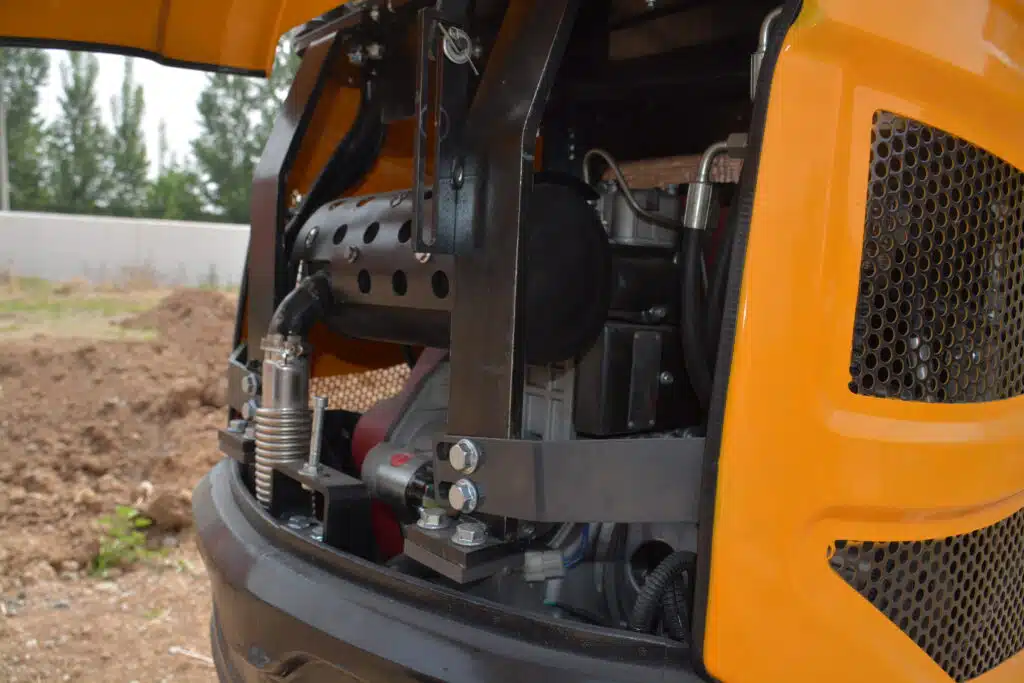
Hydraulic System Performance: The Real Working Strength
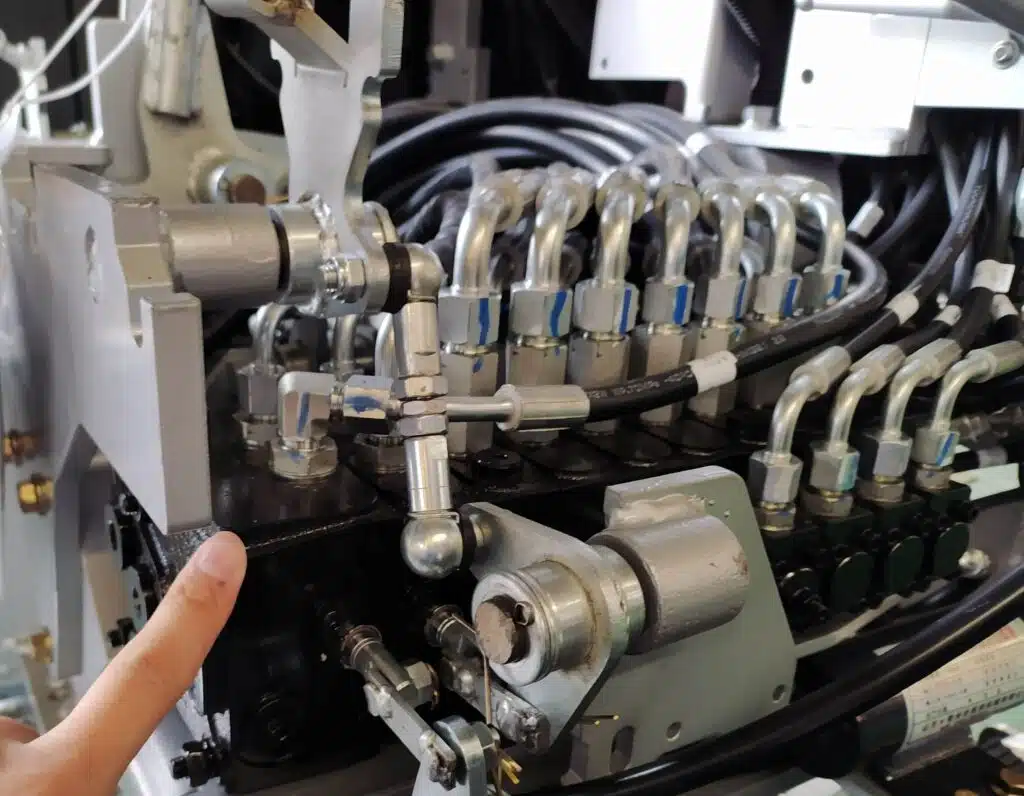
The hydraulic system is the heart of a mini excavator. It controls the boom, arm, bucket, swing, travel, blade, and attachments.
A mini excavator may look strong in photos, but if the hydraulic system is rough or weak, the operator will feel it immediately.
Why Hydraulic Smoothness Matters
Smooth hydraulic control helps the operator dig accurately, level soil, clean trenches, and work near walls or underground utilities.
For utility projects, landscaping, and confined-space work, smooth control is often more important than raw power.
Rough hydraulic movement can cause:
- Poor trench quality
- Operator fatigue
- Higher risk near pipes or cables
- Difficult grading
- Unstable attachment operation
Hydraulic Flow and Auxiliary Lines
If the buyer plans to use attachments such as hydraulic breakers, augers, flail mowers, or grapples, auxiliary hydraulic flow becomes very important.
A machine without proper auxiliary piping may be limited to bucket work only. Adding hydraulic lines later may be costly or difficult.
Practical Recommendation
Before buying, confirm:
- Hydraulic pump type
- Auxiliary hydraulic line availability
- Hydraulic flow suitability for attachments
- Hose routing quality
- Cylinder sealing quality
- Control valve smoothness
- Ease of maintenance
- Cooling ability during continuous work
This is one area where Nicosail usually recommends buyers confirm the intended attachments before production, because hydraulic configuration should match the machine’s future use.
Bucket Force and Arm Force: What They Mean in Real Use
Bucket digging force and arm digging force are important indicators, especially for buyers who work in hard soil, clay, compacted ground, or small demolition sites.
Bucket Digging Force
Bucket force shows the bucket’s ability to cut into soil or pull material. Higher bucket force helps when digging harder ground or loading heavy soil.
Arm Digging Force
Arm force affects the machine’s ability to pull material toward itself. This matters in trenching and general excavation.
Real Job Meaning
A machine with weak bucket and arm force may still dig loose soil, but it will struggle in harder conditions. The operator may need more passes, more time, and more fuel.
However, force must match machine stability. Strong digging force on a weak frame or narrow undercarriage can create shaking, faster wear, or structural stress.
Practical Recommendation
For garden work and loose soil, moderate digging force may be enough. For contractors, rental fleets, road repair, and utility digging, buyers should choose stronger digging performance and better structural quality.
Machine Width, Tail Swing, and Confined-Space Ability
Mini excavators are often purchased because they can work in tight spaces. But not all mini excavators are equally suitable for confined areas.
Machine Width
Machine width affects access. A compact model may pass through gates, narrow paths, and small construction entrances.
However, narrow width can reduce stability. Some machines use adjustable undercarriages to solve this problem. The machine can narrow for access and widen for work.
Tail Swing
Tail swing affects safety when the machine rotates.
In narrow streets, beside walls, or near vehicles, a long tail swing can create impact risk. Short-tail or zero-tail designs are useful in confined spaces.
Practical Recommendation
Buyers should measure real access conditions before choosing a model. Do not rely only on the word “compact.”
Check:
- Overall width
- Track width
- Body length
- Tail swing radius
- Blade width
- Transport dimensions
- Whether the undercarriage is adjustable
For utility contractors and rental companies, confined-space ability is a strong selling point.
Stability and Lifting Ability: Safety Comes Before Speed
Mini excavators are often used to lift small pipes, stones, attachments, pallets, and construction materials. But lifting must be handled carefully.
Stability Depends on Many Factors
Stability is affected by:
- Machine weight
- Track width
- Ground condition
- Boom position
- Load distance
- Counterweight
- Attachment weight
- Operator behavior
A machine may lift safely close to the body but become unstable when the load is extended far away.
Do Not Guess Lifting Capacity
Some buyers use mini excavators for light lifting without checking safe limits. This is risky.
If lifting work is common, buyers should ask the supplier for lifting information and choose a machine with enough stability. Operators should follow safe lifting practices and local rules.
Practical Recommendation
For pipeline work, landscaping, and construction sites, stability should be taken seriously. A slightly heavier and better-balanced machine may be safer and more productive than a very light machine that feels unstable.
Tracks, Undercarriage, and Ground Protection
The undercarriage carries the machine, supports traction, and affects surface damage.
Rubber Tracks
Rubber tracks are common on mini excavators because they reduce damage to asphalt, concrete, paving blocks, lawns, and finished surfaces.
They are suitable for:
- Urban projects
- Landscaping
- Garden work
- Residential jobs
- Rental machines
- Roadside maintenance
Steel Tracks
Steel tracks are stronger in harsh ground, rocky areas, and demolition environments. But they can damage finished surfaces and may not be ideal for residential or urban work.
Undercarriage Quality
Buyers should check track tension adjustment, roller quality, sprocket design, frame strength, and ease of cleaning.
A weak undercarriage can create expensive service problems, especially in rental use.
Practical Recommendation
Most small-machine buyers choose rubber tracks for wider application. For heavy-duty rough ground, discuss track options with the supplier before ordering.
Attachment Compatibility and Auxiliary Hydraulics
A mini excavator becomes more valuable when it can use different attachments.
Common Attachments
Useful attachments include:
- Narrow bucket
- Standard bucket
- Grading bucket
- Hydraulic breaker
- Auger
- Ripper
- Quick coupler
- Grapple
- Thumb clamp
- Rake
For rental companies, attachments can increase rental value. For contractors, attachments reduce the need for extra machines.
Plan Attachments Before Purchase
A common mistake is buying the machine first and thinking about attachments later. This can cause problems if the hydraulic line, coupler size, pin size, or machine flow does not match.
Practical Recommendation
Before ordering, buyers should list the attachments they want now and may want later. Then confirm hydraulic lines, coupler dimensions, pin size, flow requirements, and machine stability.
Maintenance Access and Parts Supply
Performance is not only about working power. A good mini excavator must also be easy to maintain.
Maintenance Access
Buyers should check whether the following areas are easy to reach:
- Engine oil filter
- Air filter
- Fuel filter
- Hydraulic oil area
- Radiator
- Battery
- Grease points
- Hydraulic hoses
- Fuses and electrical parts
- Track tension system
If maintenance is difficult, users may skip it. Skipped maintenance reduces machine life.
Parts Supply
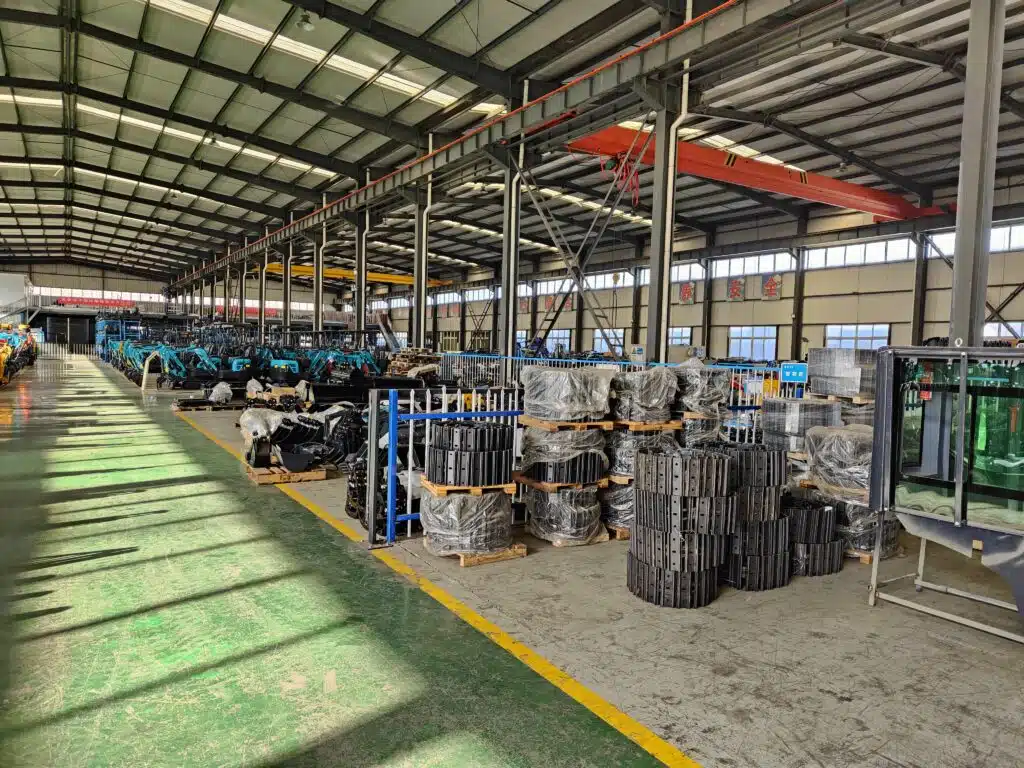
Parts supply is one of the most important purchase factors, especially for dealers, importers, and rental companies.
Common parts include:
- Filters
- Belts
- Hoses
- Pins
- Bushings
- Seals
- Tracks
- Rollers
- Buckets
- Teeth
- Electrical switches
- Hydraulic fittings
A low-price machine is not a good deal if simple parts are hard to get.
Practical Recommendation
Ask the supplier for a spare parts list before ordering. For the first shipment, many buyers prepare common wear parts together with the machine.
Nicosail can discuss spare parts preparation with buyers before shipment, especially for overseas orders where downtime can be expensive.
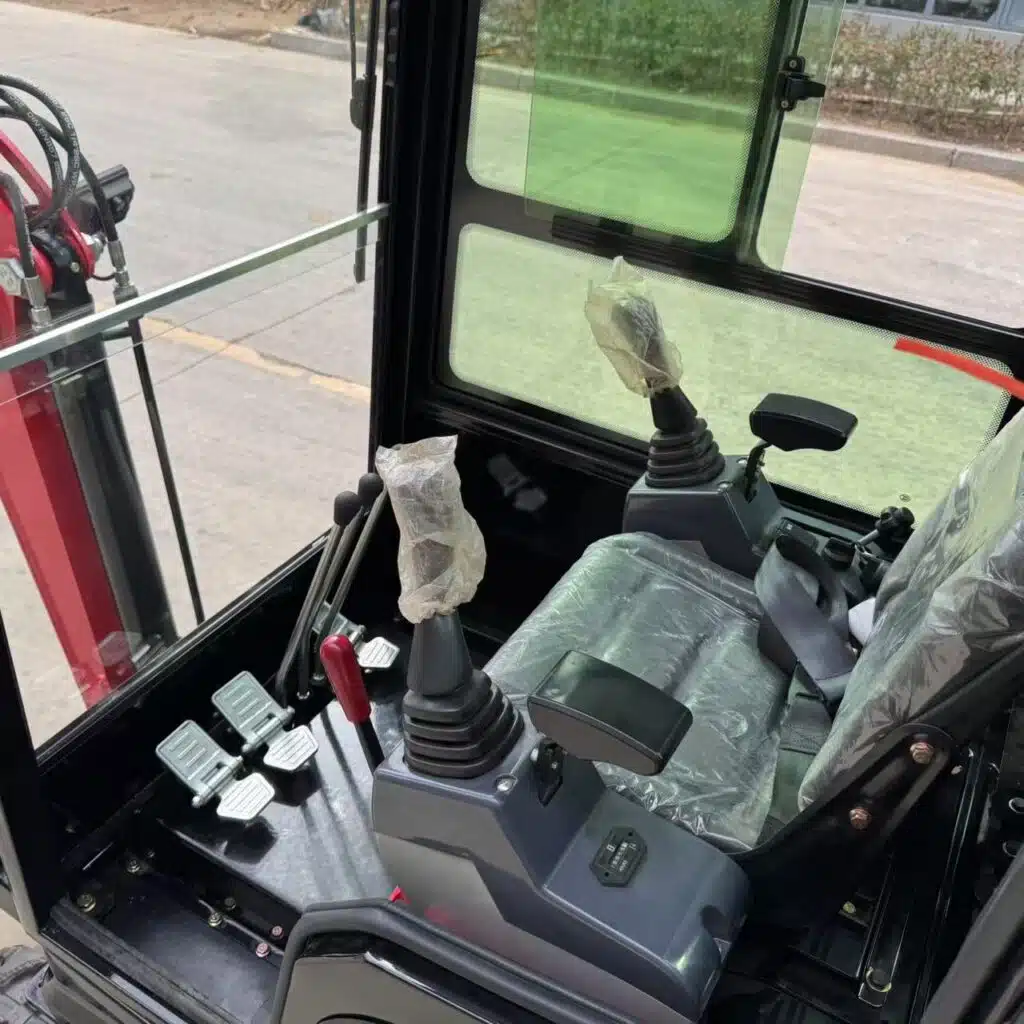
Operator Comfort and Ease of Use
Operator comfort is sometimes ignored in small machines. This is a mistake.
A tired operator works slower and makes more mistakes. For rental machines, simple operation also reduces user complaints.
What to Check
Buyers should check:
- Seat comfort
- Control layout
- Visibility
- Foot pedal position
- Canopy or cabin option
- Instrument display
- Noise and vibration feeling
- Entry and exit convenience
- Safety lock design
For beginners, simple controls and clear labels are important. For contractors, comfort matters because the machine may work many hours per day.
Practical Recommendation
Rental companies should choose machines that are easy to operate and easy to explain. Dealers should consider the end user’s skill level, not only the machine specification.
Practical Recommendations for Different Buyers
Different buyers need different machines. There is no single best mini excavator for every customer.
For Dealers and Importers
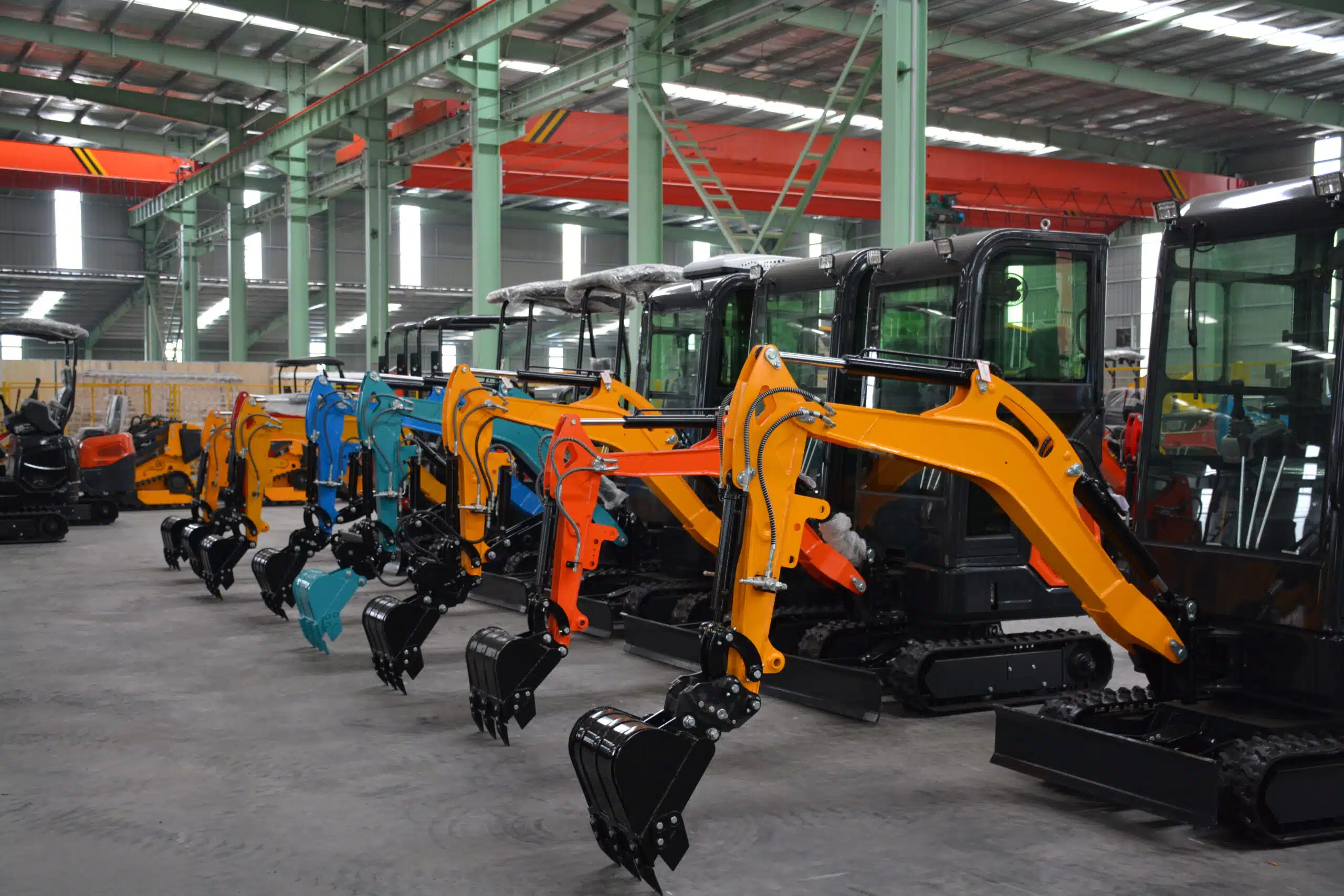
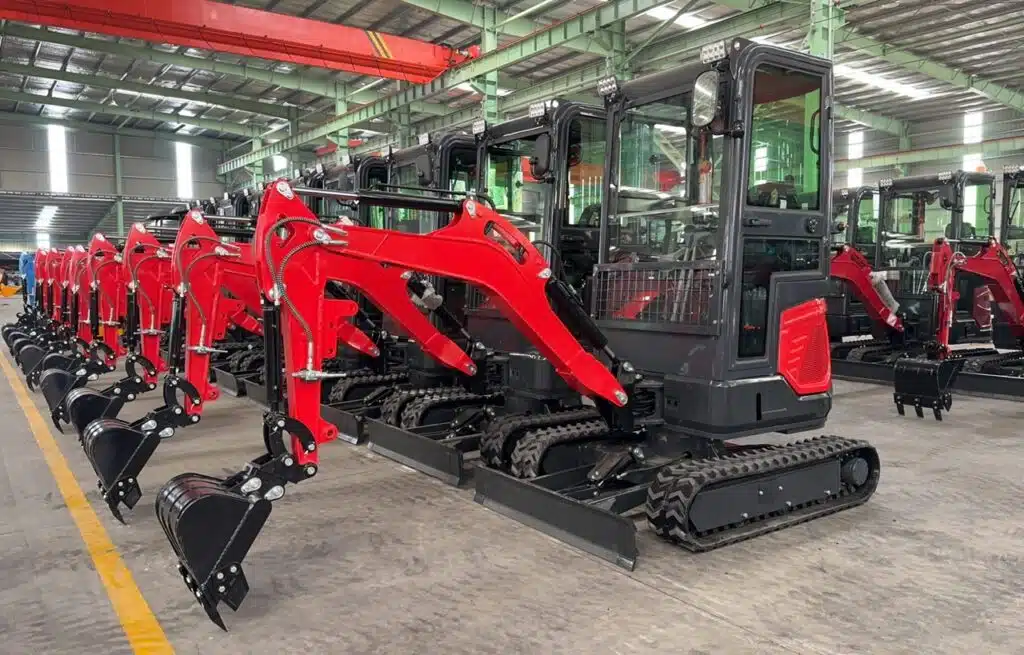
Dealers should focus on balanced configuration, appearance, parts availability, and batch consistency.
Important points include:
- Attractive but practical design
- Stable supplier quality
- Easy-to-sell engine option
- Common attachments
- Spare parts support
- Custom color and logo
- Strong export packaging
- Clear documentation
- Consistent quality between batches
Dealers should avoid models that look cheap but create after-sales pressure.
For Rental Companies
Rental machines face many different operators. Some are careful. Some are not.
Rental buyers should focus on:
- Simple controls
- Durable structure
- Easy maintenance
- Rubber tracks
- Strong covers and guards
- Common spare parts
- Attachment compatibility
- Good stability
- Easy transport
For rental use, the machine should be forgiving and easy to repair.
For Contractors and Builders
Contractors care about productivity and reliability.
They should focus on:
- Digging depth
- Hydraulic power
- Bucket force
- Breaker compatibility
- Stability
- Fuel efficiency in practical use
- Maintenance access
- Fast parts supply
- Transport convenience
A contractor should not buy a machine that is too small just to save purchase cost.
For Farmers and Landowners
Farm and land users often need a mini excavator for many different jobs:
- Drainage
- Small ponds
- Ditches
- Tree planting
- Fence work
- Soil moving
- Road repair
- Yard maintenance
They should focus on simple operation, reliable starting, easy maintenance, rubber tracks, and useful attachments such as buckets, augers, and rippers.
For Municipal and Utility Work
Utility work often happens in tight areas around roads, pipes, cables, and buildings.
Buyers should focus on:
- Compact width
- Short or zero tail swing
- Smooth hydraulics
- Narrow bucket option
- Breaker option
- Good visibility
- Stable digging performance
- Surface protection
- Easy transport
Common Mistakes When Buying a Mini Excavator
Mistake 1: Comparing Only Price
Price is important, but it is not the full cost. A cheaper machine may cost more later if it has weak hydraulics, poor parts support, bad packaging, or short service life.
Mistake 2: Buying Too Small
A very small machine is easy to transport, but it may not handle the actual work. If the machine always works at its limit, it becomes slow and wears faster.
Mistake 3: Ignoring Hydraulic Configuration
Some buyers forget to confirm auxiliary hydraulic lines before ordering. Later, they want to use a breaker or auger and find the machine is not ready.
Mistake 4: Trusting Photos Too Much
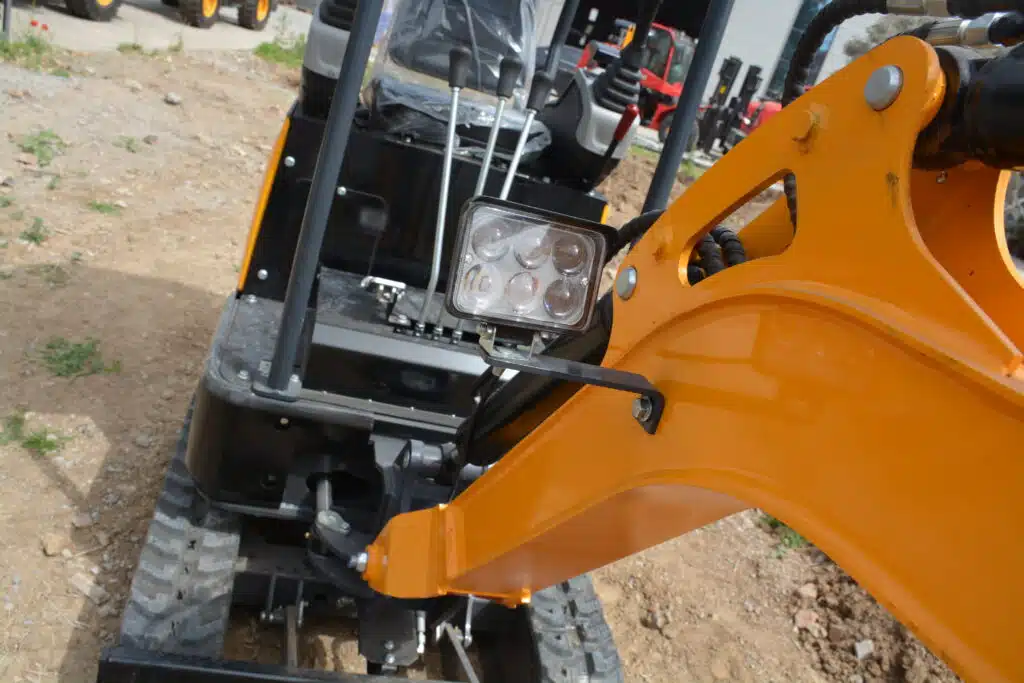
Photos show paint and shape. They do not show hydraulic smoothness, welding quality, cooling ability, or long-term reliability.
Ask for working videos, close-up photos, configuration details, and packing information.
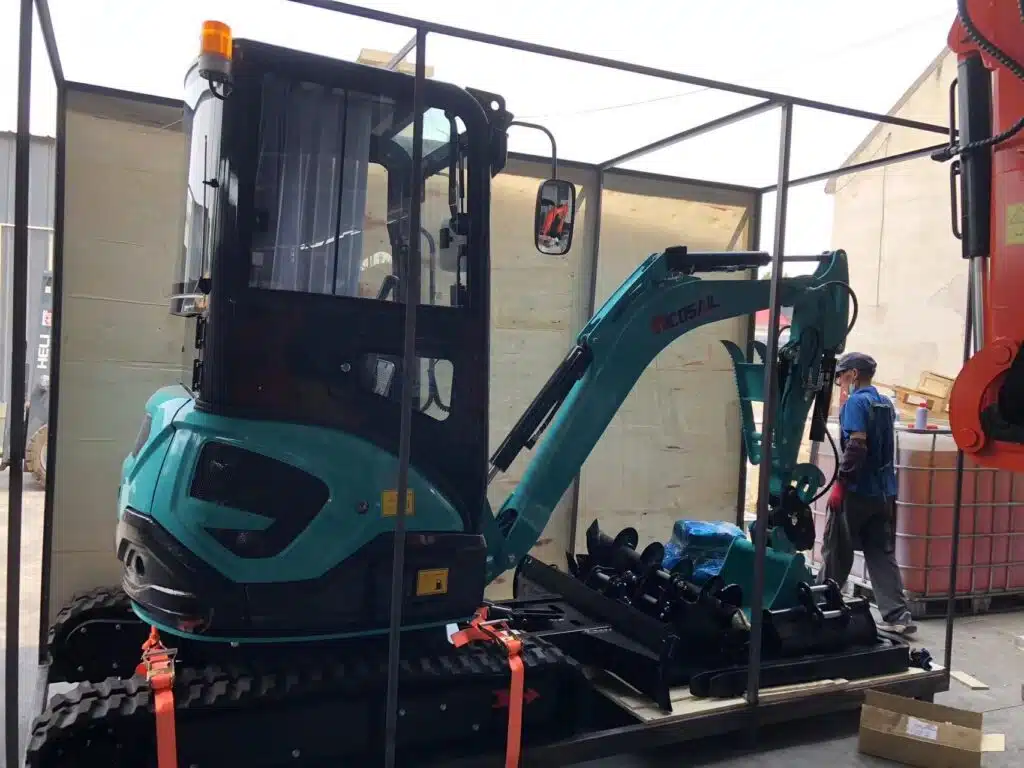
Mistake 5: Forgetting Shipping and Packaging
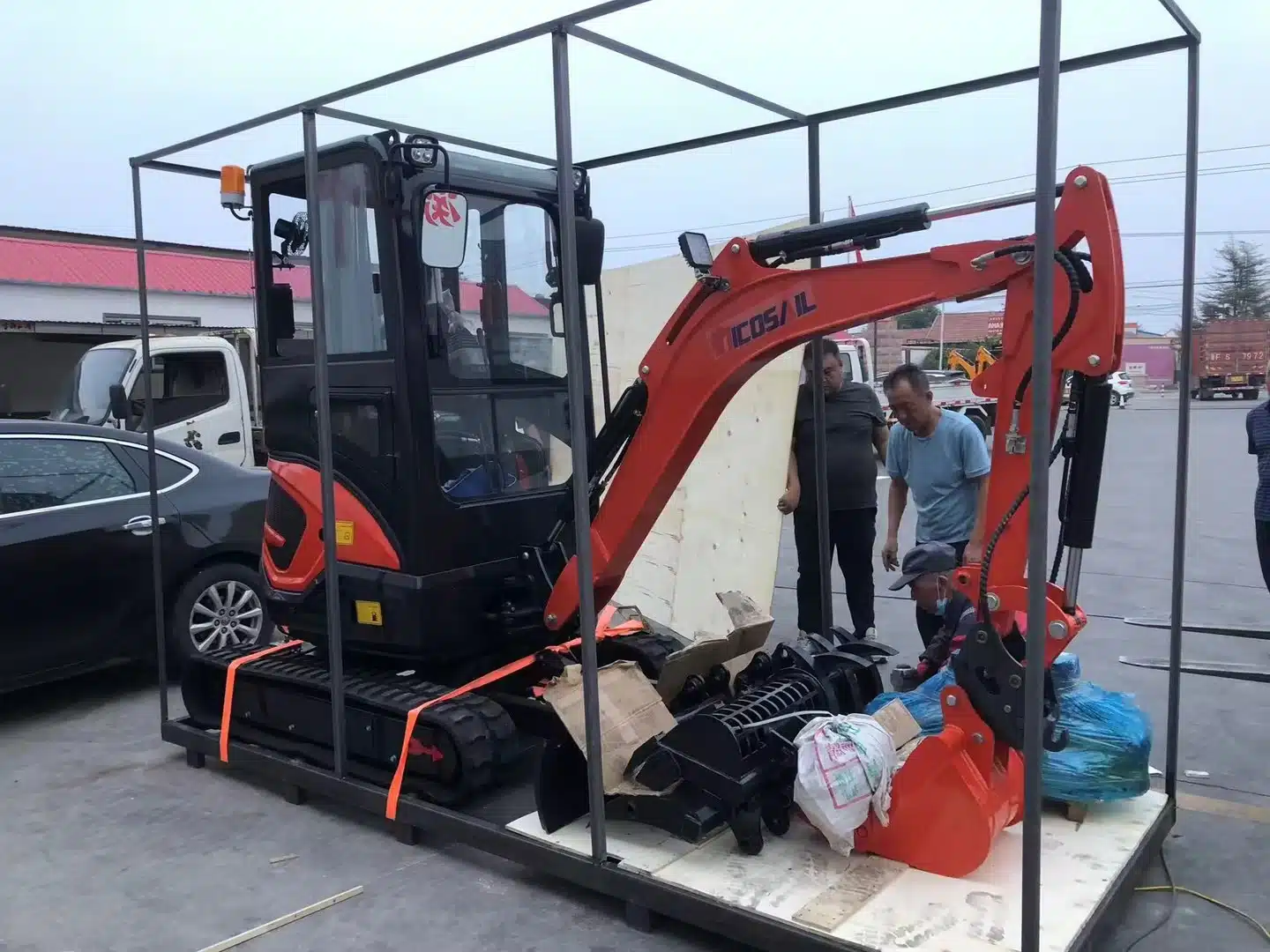
For overseas buyers, good packaging protects the machine during transport. Poor packaging can damage covers, lights, paint, hydraulic parts, and accessories.
Mistake 6: Not Preparing Spare Parts
A machine can stop because of a small part. Dealers, rental companies, and contractors should prepare common spare parts early.
Mistake 7: Not Checking Supplier Communication
A supplier that cannot answer technical questions clearly before sale may also be difficult to work with after sale.
How to Compare Suppliers, Not Just Machines
Mini excavator buying is not only machine selection. It is also supplier selection.
Check Whether the Supplier Understands Real Applications
A good supplier should ask about:
- Main use
- Soil condition
- Digging depth
- Attachment needs
- Local market
- Transport method
- Customization needs
- Spare parts plan
- Import document requirements
If a supplier only talks about price, the buyer should be careful.
Confirm Specifications in Writing
Before payment, confirm:
- Model
- Engine
- Operating weight
- Digging depth
- Bucket size
- Track type
- Hydraulic line
- Attachments
- Color
- Logo
- Spare parts
- Packaging
- Delivery time
- Shipping terms
- Documents
- After-sales process
Written confirmation reduces misunderstanding.
Ask About Quality Control
Useful questions include:
- Is each machine tested before shipment?
- Can working videos be provided?
- Are packing photos available?
- Are spare parts lists available?
- Can the supplier support repeat orders with the same configuration?
Consider Long-Term Cooperation
For B2B buyers, one order is not enough. The supplier should support repeat purchases, parts supply, customization, and stable communication.
Nicosail, as a China-based factory supplier of compact machinery, supports buyers with configuration discussion, appearance customization, export packaging, and spare parts planning. This is useful for buyers who want practical long-term cooperation instead of only a low initial price.
9. FAQ
Q1: What is the most important KPI when buying a mini excavator?
There is no single most important KPI. Buyers should consider operating weight, digging depth, hydraulic performance, stability, machine width, attachment compatibility, maintenance access, and parts support together.
Q2: Is a heavier mini excavator always better?
Not always. A heavier machine usually has better stability and digging ability, but it may be harder to transport and less suitable for narrow access. The machine should match the job.
Q3: Should buyers choose engine power first?
Engine power is important, but it should not be the only standard. Hydraulic system matching, digging force, stability, and serviceability are also very important.
Q4: What should rental companies pay attention to?
Rental companies should focus on simple operation, strong structure, easy maintenance, rubber tracks, common spare parts, attachment compatibility, and reliable supplier support.
Q5: Can a mini excavator use a hydraulic breaker?
Many mini excavators can use a hydraulic breaker if they have the correct auxiliary hydraulic line and suitable hydraulic flow. The breaker must match the machine size.
Q6: Are rubber tracks better than steel tracks?
For most urban, garden, residential, and rental applications, rubber tracks are more practical because they reduce surface damage. Steel tracks are better for some harsh ground conditions.
Q7: How can overseas buyers reduce purchase risk?
Overseas buyers should confirm specifications in writing, request working videos, check packaging details, prepare spare parts, verify attachment compatibility, and choose a supplier with clear communication.
Q8: Why is parts supply so important?
Parts supply directly affects downtime. A machine that waits too long for filters, hoses, pins, tracks, or seals can stop projects and create customer complaints.
10. Final Conclusion
Buying a mini excavator is not only about choosing a machine that looks good or has the lowest price. A mini excavator must fit the real work, the operator, the transport method, the maintenance ability, and the buyer’s long-term business plan.
The key performance indicators tell the real story. Operating weight affects stability. Digging depth affects job range. Engine power must match the hydraulic system. Bucket and arm force affect digging ability. Machine width and tail swing affect confined-space work. Tracks affect ground protection. Attachment compatibility affects future use. Maintenance access and parts supply affect service life.
For dealers, rental companies, contractors, farmers, and landowners, the best machine is the one that works reliably in daily conditions, not only the one that looks strong in a brochure.
A smart buyer should compare complete configuration, supplier experience, spare parts support, packaging quality, customization ability, and after-sales communication. When these details are handled properly, a mini excavator can become a practical, profitable, and dependable machine for many years of work.