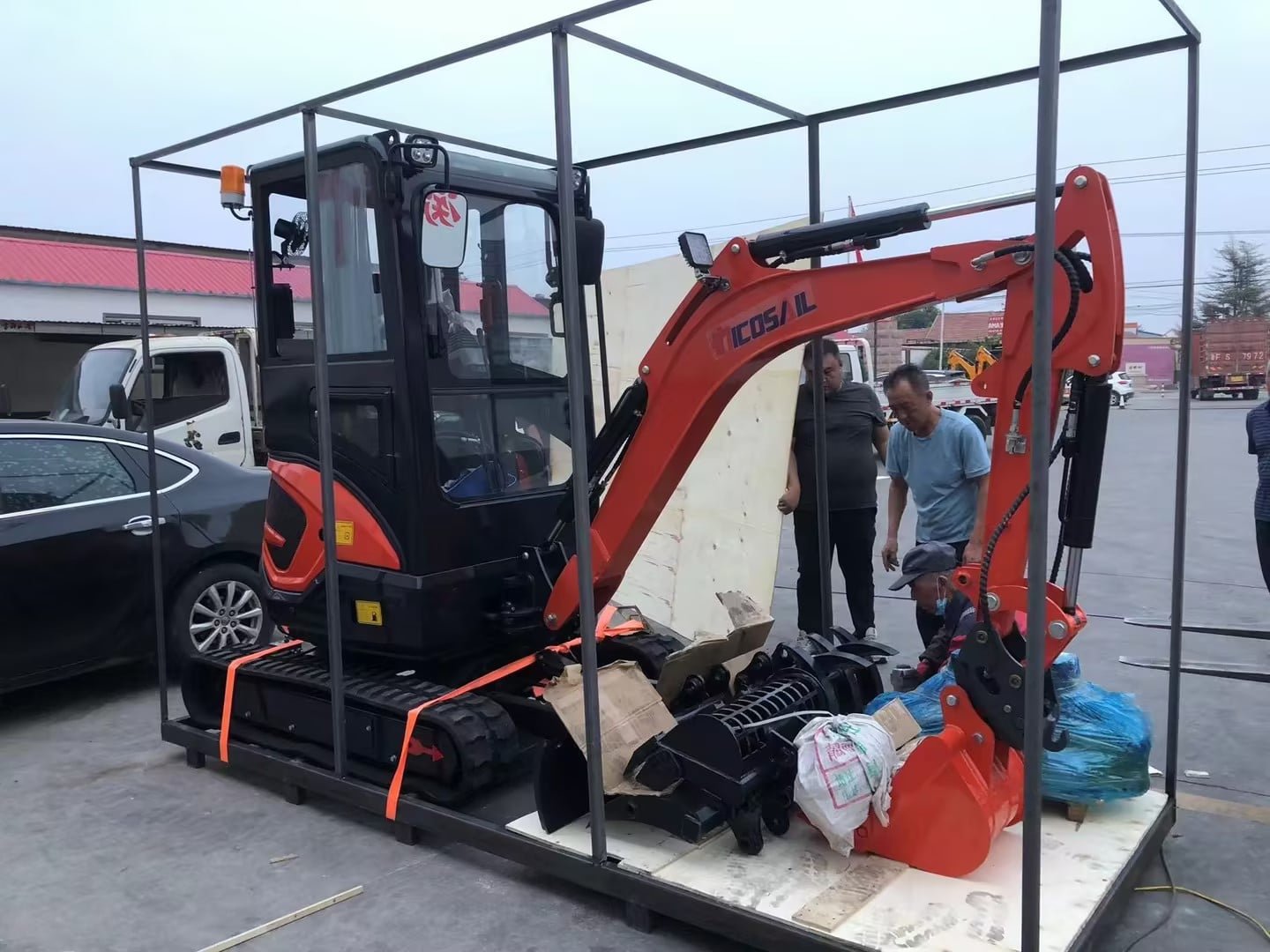
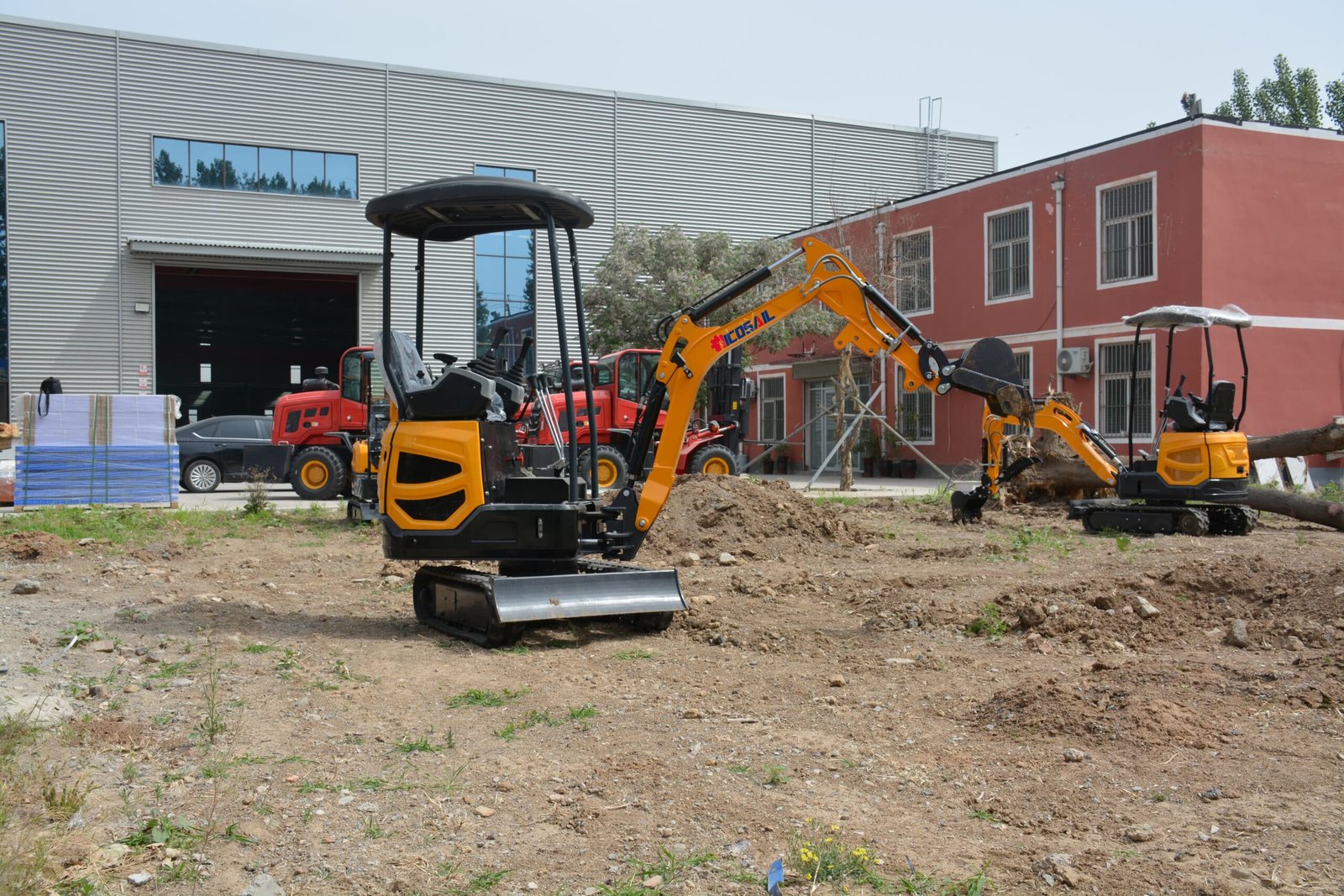
Mini Excavators for Residential Areas: a Complete Solution from Garden to Foundation
Residential job sites are different from open commercial sites. Space is tighter. Access is harder. Homeowners care about noise, ground damage, and safety. Contractors need to finish quickly, keep the site clean, and avoid breaking anything that should stay in place. That is exactly why mini excavators have become such a practical choice.
A good mini excavator is not just a “small digging machine.” In residential work, it often becomes the main tool on site. It can dig a garden trench in the morning, remove old stumps after lunch, and help prepare a house foundation before the day ends. That kind of flexibility is a big reason why contractors, rental companies, distributors, and even farm or garden owners keep looking at this category.
For buyers, this market looks simple at first. Small machine, small job, simple choice. But in real work, it is not that simple. The wrong machine size, poor hydraulic matching, weak build quality, or unreliable parts support can quickly turn a good-looking purchase into a headache. A residential machine has to do more than fit through a gate. It has to work smoothly, protect finished ground, stay stable, and keep earning money without constant downtime.
This article breaks the topic down in a practical way. It explains how mini excavators solve residential jobs from garden landscaping all the way to foundation preparation, what features really matter, and how buyers can choose the right machine without overpaying or underbuying.
1. Why Mini Excavators Work So Well in Residential Areas
Residential work is all about balance. The machine must be compact, but not too weak. It must be powerful, but not too heavy. It must be easy to transport, but still capable enough to handle real work.
That is where mini excavators shine.
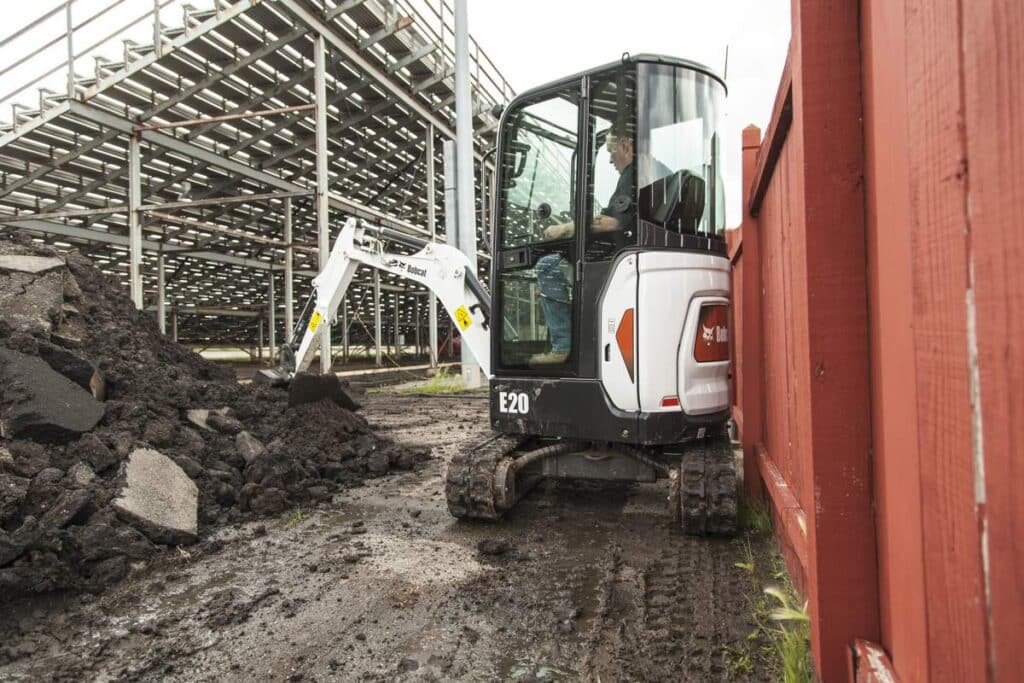
In a residential area, a machine often needs to pass through narrow side paths, gates, fences, and driveways. A full-size excavator may have more digging power, but it creates more problems too. It can damage paving stones, crack soft ground, struggle with limited turning space, and make neighbors unhappy with noise and disruption.
A mini excavator solves those problems because it is built for controlled work in limited space. It can move around houses, work close to walls, dig small but accurate trenches, and load soil without taking over the whole property. For many residential contractors, that means one machine can handle more jobs without needing extra labor.
This is especially important in today’s market, where labor is expensive and clients expect jobs to be finished fast. A mini excavator helps a small crew do more with less effort. That is not just convenient. It directly affects project cost and profit.
2. What “Residential Work” Really Includes
A lot of people hear “residential excavator” and think only about light garden work. In reality, residential jobs cover a wide range of tasks.
Here are the most common ones:
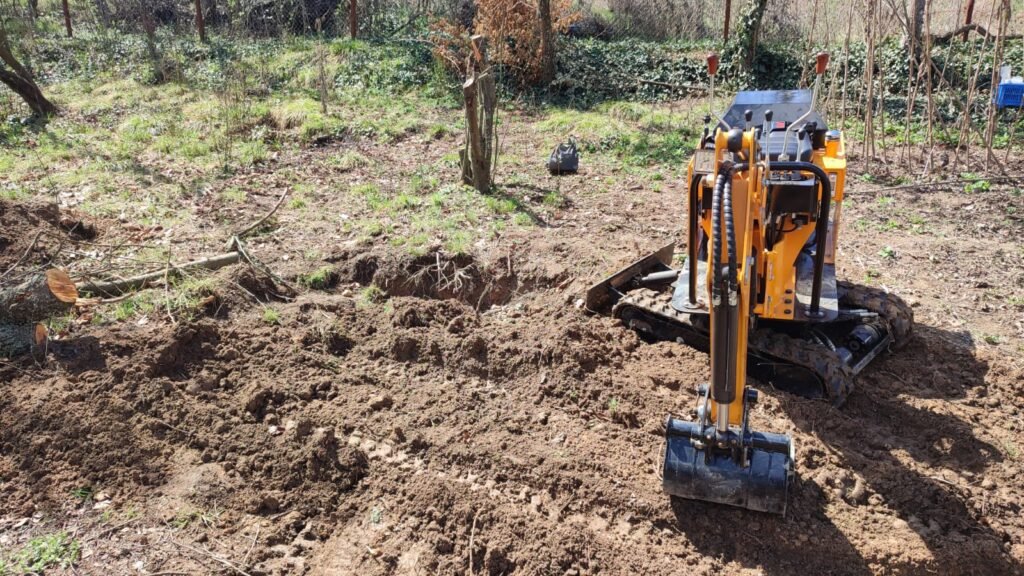
Garden and Landscaping Work
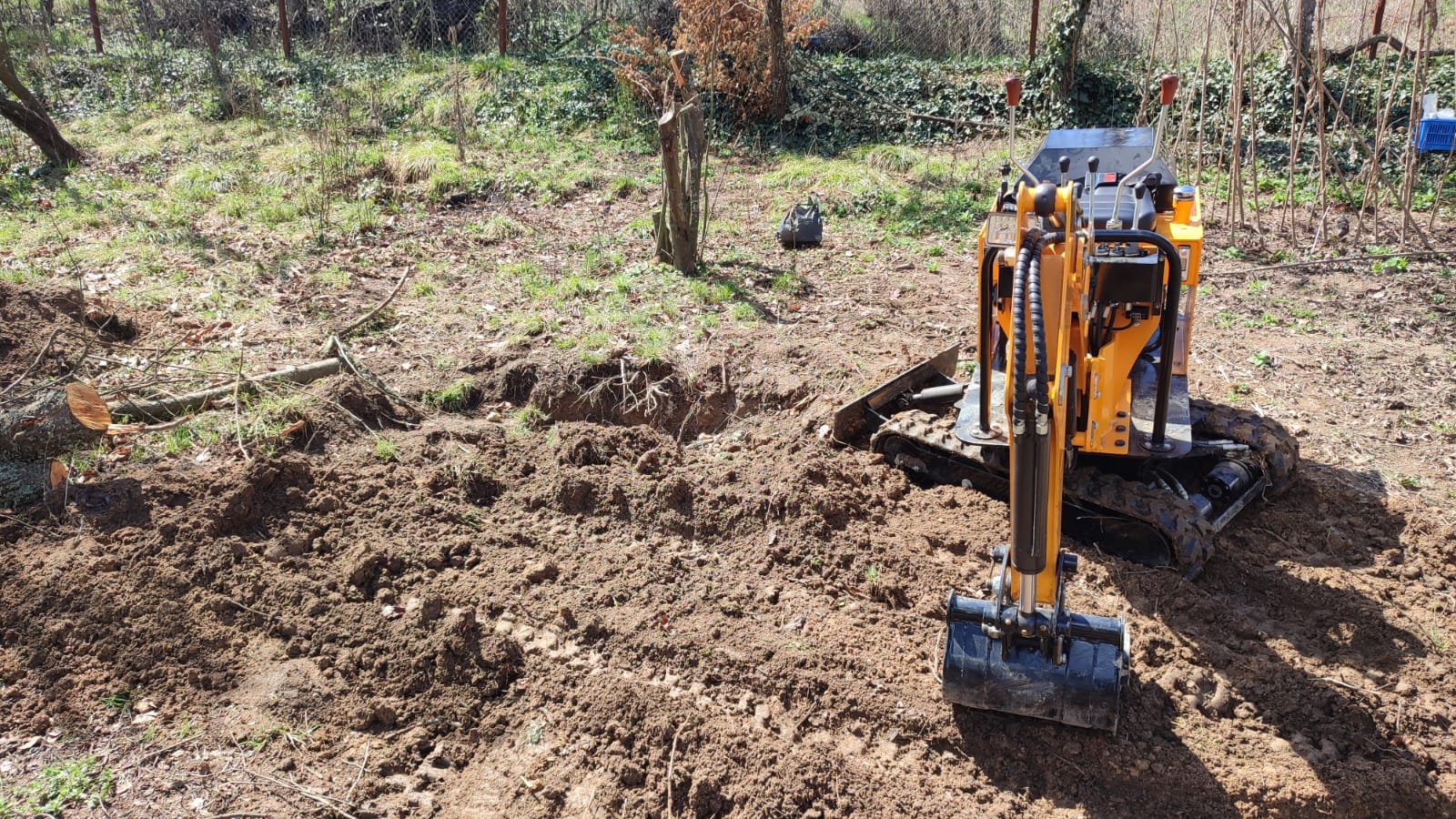
This includes trenching for irrigation, shaping garden beds, clearing bushes, removing roots, leveling ground, digging ponds, and handling decorative stone or soil movement. In this kind of work, machine precision matters more than raw force.
Utility Installation
Many residential projects need trenches for water pipes, electrical cables, drainage lines, or septic systems. These jobs often happen near existing walls, trees, pavements, or buried services. The excavator needs to be accurate and easy to control.
Fence and Post Preparation
A mini excavator can help clear lines, dig post areas, remove old foundations, and carry materials. It saves a lot of manual labor on repetitive jobs.
Driveway and Patio Preparation
Before paving starts, ground often needs to be stripped, leveled, and compacted in stages. A mini excavator with the right bucket or attachment can do the early-stage ground prep quickly.
Tree and Stump Work
Roots and stumps are common in residential renovation projects. A mini excavator gives enough breakout force to loosen root zones and lift material without bringing in a much larger machine.
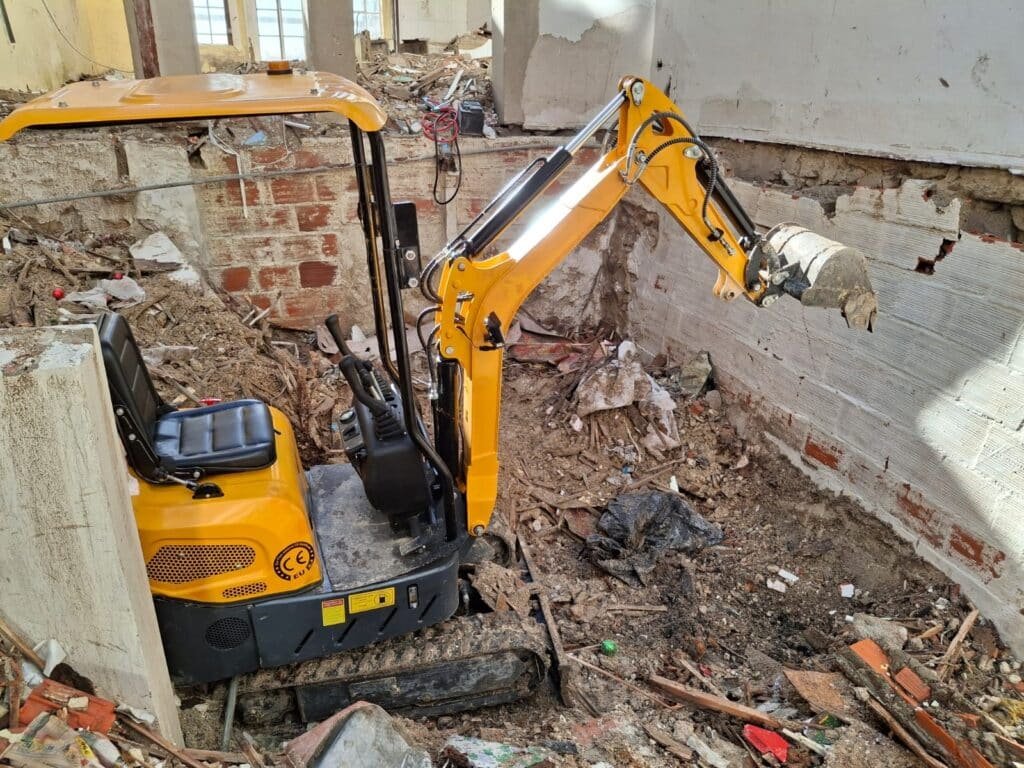
Demolition of Small Structures
Garden sheds, old walkways, light concrete areas, and small outbuildings often need partial demolition before a new project starts. With a breaker or a suitable bucket, a mini excavator becomes very useful here.
Foundation and Extension Preparation
This is where the machine becomes more than a landscaping tool. House extensions, garages, workshops, small cabins, and even new residential builds need accurate excavation for foundations and footings. A mini excavator is often the ideal size for these jobs because it can work close to an existing structure without creating unnecessary site damage.
So when talking about a “complete solution from garden to foundation,” that is not just a marketing line. It is how these machines are really used.
3. From Garden to Foundation: Where a Mini Excavator Fits
Let’s walk through the whole residential project flow.
Early Site Clearing
Most residential projects start with cleanup. Old soil piles, roots, shrubs, stones, broken pavement, and construction waste need to be moved first. A mini excavator helps open the site quickly, especially when access is too tight for bigger machines.
Ground Shaping and Surface Preparation
Once the area is clear, ground usually needs shaping. That might mean creating a level lawn area, cutting a slope, preparing a driveway base, or making space for drainage. A mini excavator allows cleaner grading than manual work and keeps the site moving.
Trenching
This is one of the biggest strengths of a mini excavator. Narrow, straight trenches for drainage, water, electrical, and landscape piping are common in residential work. Accuracy matters here because over-digging wastes time and backfill material.
Digging Footings and Foundations
For small house extensions, garages, fences with concrete footings, and garden rooms, a mini excavator is often the right choice. It can dig to the required line while working safely in confined areas. It also makes spoil removal much easier.
Backfilling and Cleanup
After installation or concrete work, the same machine can backfill trenches, spread soil, and leave the site clean. That is one of the biggest cost-saving points. One machine starts the job and helps finish it.
That full-cycle role is why mini excavators are so attractive to contractors and rental fleets. Instead of bringing separate machines for each stage, one compact excavator can support the whole project.
4. Key Advantages Over Larger Machines
Buyers often ask a simple question: why not just use a larger excavator and finish faster?
That sounds logical, but in residential areas, bigger is not always better.
Easier Access
A mini excavator can work where larger machines simply cannot go. Side yards, rear gardens, narrow urban lots, and enclosed spaces are common on residential sites.
Less Ground Damage
Lighter operating weight means less damage to lawns, driveways, and finished surfaces. That matters a lot when the customer is a homeowner who notices every mark left behind.
Better Control in Tight Spaces
Working close to walls, fences, trees, and structures takes control. A compact excavator gives the operator better visibility and more confidence.
Lower Transport Cost
Smaller machines are easier to move between jobs. For contractors doing short residential projects, fast transport is a major advantage.
Better Fit for Small Crews
Many residential contractors run lean teams. A mini excavator matches that business model because it is simple to move, simple to operate, and useful across many task types.
Better Rental Appeal
Rental companies like machines that are easy to deliver, easy to explain, and hard to misuse. Mini excavators fit that profile better than larger excavators for residential customers.
So yes, a larger machine can move more material. But in a residential area, that extra size often creates extra cost, extra risk, and extra inconvenience.
5. How to Choose the Right Size for Residential Jobs
This is where many buyers make mistakes.
Some buy too small because they want the lowest price and the easiest transport. Others buy too large because they worry a small machine will not look “serious enough.” Both choices can hurt performance.
1 Ton to 1.2 Ton Class
This size is popular for very tight access, indoor or backyard work, and soft landscaping. It is easy to transport and can pass through narrow spaces, but it is limited in heavy digging and lift capacity.
Best for:
- backyard access
- light trenching
- garden projects
- small renovation jobs
1.5 Ton to 2 Ton Class
This is often the sweet spot for residential work. It offers a better balance of digging force, stability, transport convenience, and attachment compatibility.
Best for:
- contractors doing mixed residential jobs
- utility trenching
- footing work
- landscaping and hardscaping
- rental fleets
2.5 Ton to 3.5 Ton Class
This size is stronger and more productive, especially for deeper digging and heavier lifting. But access becomes more limited, and transport needs may increase.
Best for:
- larger residential sites
- foundation digging
- small commercial crossover jobs
- users who need more hydraulic power
For many buyers, the real question is not “What is the biggest machine the budget can buy?” It is “What size will enter the most jobs and stay busy most often?” In residential work, utilization matters more than ego.
6. Attachments That Turn One Machine Into a Complete Solution
A mini excavator becomes far more valuable when the buyer thinks beyond the standard bucket.
Attachments are what make the machine a full residential solution.
Trenching Bucket
Great for narrow utility lines and drainage channels. It reduces over-digging and leaves a cleaner trench.
Standard Digging Bucket
This is the everyday tool for soil removal, footing work, and general excavation.
Grading or Ditch Cleaning Bucket
Useful for slope shaping, final leveling, and cleaning trench edges. Very handy for landscaping and driveways.
Hydraulic Breaker
Needed for light concrete removal, old pathways, and hard compacted surfaces.
Auger
Helpful for fence posts, planting, and certain foundation support jobs.
Grapple
Very useful for roots, branches, demolition debris, and irregular material handling.
Ripper
A simple but effective tool for breaking hard ground, root systems, and compacted layers before digging.
For dealers and importers, machines with good attachment compatibility are easier to sell because the buyer sees more use cases. For contractors, attachments improve job flexibility and machine return. For rental companies, they increase rental value per customer.
7. What Buyers Worry About Most Before Ordering
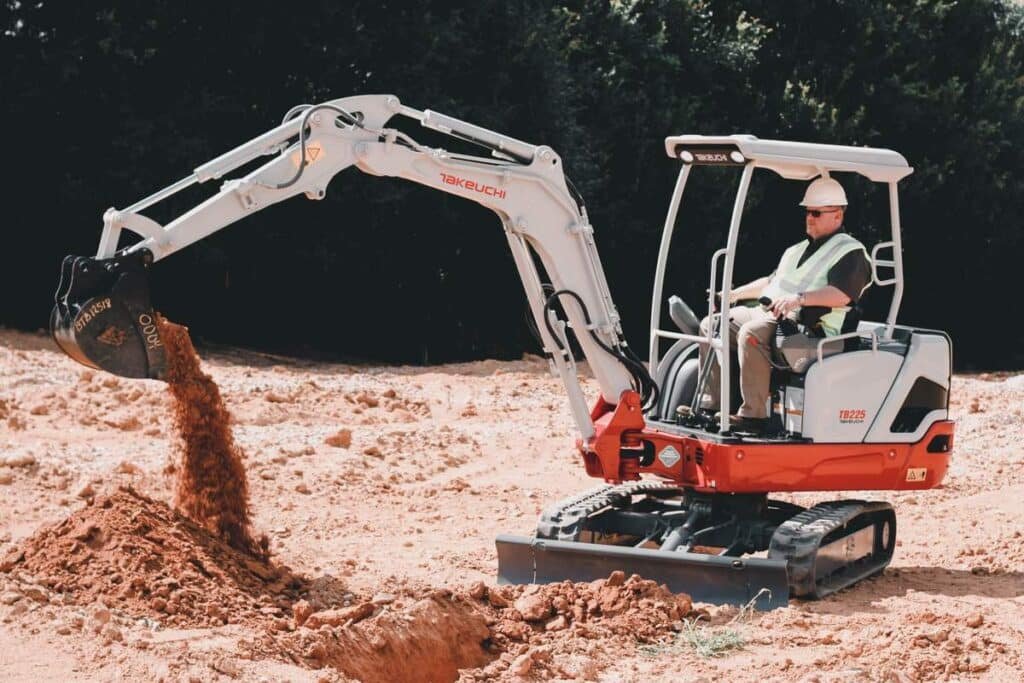
Residential machine buyers usually ask practical questions, not fancy ones. They want to know whether the machine will actually work, last, and arrive as promised.
Here are the most common concerns.
“Will it fit real residential access?”
This is about width, height, tail swing, and transport weight. A spec sheet can look good, but real sites are messy. Buyers should look at actual machine dimensions, transport setup, and working clearance.
“Will it be stable enough?”
A very light machine may fit almost anywhere, but if it feels unstable during digging or lifting, the operator loses confidence. Stability matters a lot in footing work and when handling materials.
“Is the hydraulic system smooth or jumpy?”
Residential work often needs precision. A machine that moves too aggressively can damage finished areas and make trenching messy.
“How hard is it to get spare parts?”
This is a big one. A low purchase price means little if common service parts take too long to arrive.
“Will certifications and documents be genuine?”
Serious buyers, especially in Europe, North America, and Australia, care about compliance and documentation. Trust matters here.
“Will the supplier really support after-sales?”
Many buyers have had bad experiences with slow replies, vague warranty promises, or disappearing suppliers. Good communication is not a bonus. It is part of the product.
These concerns are not just buyer psychology. They come from real market pain. That is why the best suppliers are not only selling a machine. They are reducing purchase risk.
8. Real Buying Advice for Dealers, Contractors, and Property Owners
Different buyers should evaluate mini excavators in different ways.
For Dealers and Importers
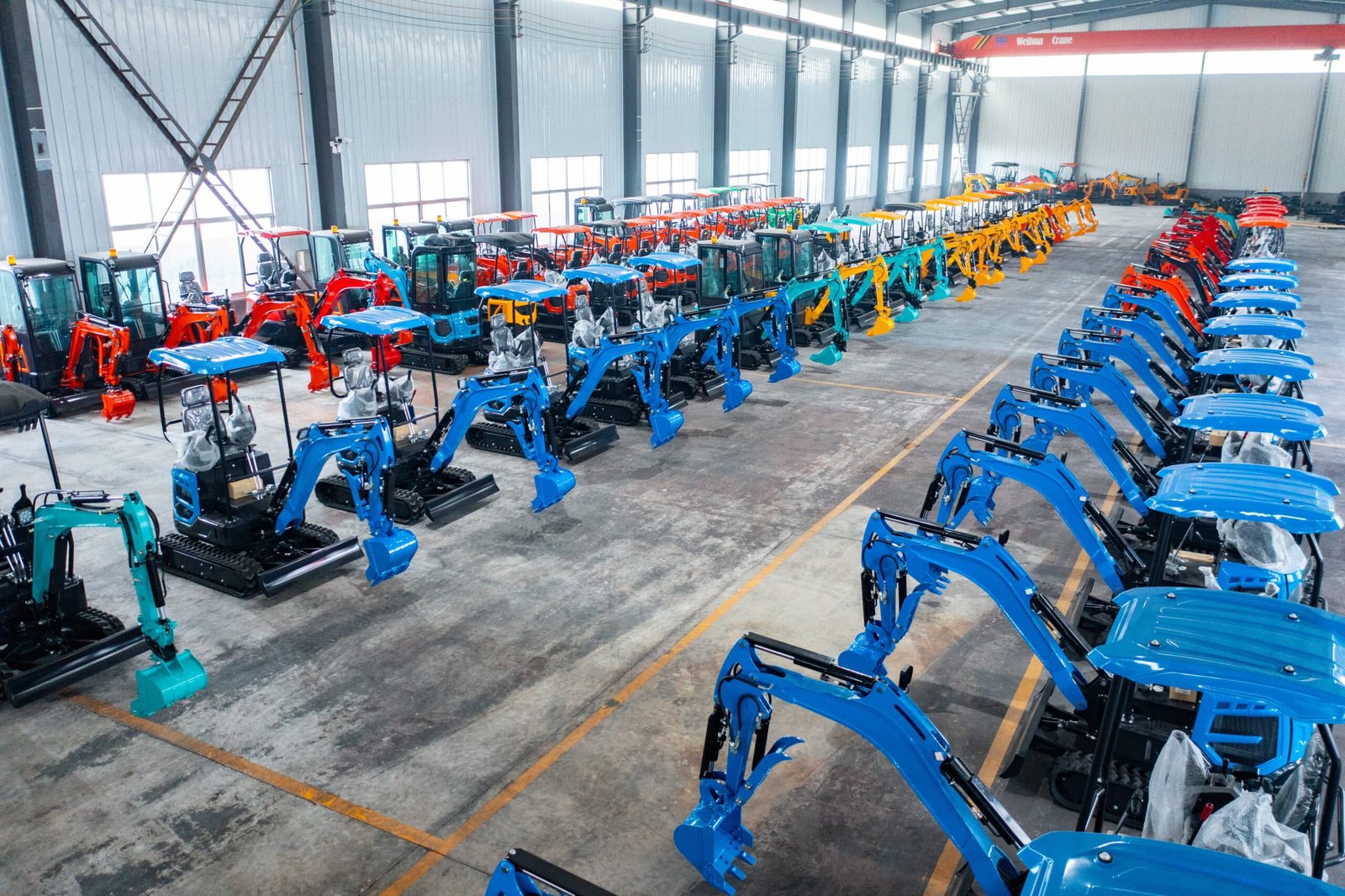
Look for product consistency, not just one attractive demo unit. Ask whether the same components and quality level are maintained across batches. Ask about packaging, spare parts planning, lead times, and market feedback from similar countries.
Residential customers are very sensitive to reliability because they do not want site delays. That means dealers should choose machines that are easy to explain, easy to maintain, and easy to support locally.
For Rental Companies
Focus on operator-friendly design, durability, and easy service access. Rental customers are not always experienced, so controls should be clear, maintenance points should be simple, and the machine should handle everyday misuse better than average.
The best rental machine is not always the cheapest one. It is the one that comes back ready to rent again.
For Contractors
Think about job mix. If most work is landscaping and utility trenching, a lighter machine may be enough. If many jobs include footings, stump removal, and compacted ground, a stronger machine with better hydraulic performance will save time.
Also think about transport. A machine that is slightly more powerful but too heavy for the current trailer setup may end up costing more in the long run.
For Homeowners, Farmers, and Garden Owners
Ease of use matters. The machine should feel manageable, not intimidating. Good visibility, stable tracking, and straightforward maintenance make a big difference. Buyers in this group should also think about local service support and whether attachments will be needed later.
9. Why Reliability Matters More Than Spec Sheets
A lot of machines look similar in photos. On paper, they may even look almost identical. But long-term reliability usually comes from details that are easy to miss.
Things like:
- welding quality
- hose routing
- pin and bushing fit
- frame strength
- accessibility for maintenance
- hydraulic matching between pump, valve, and actuator
- quality control consistency
These are the details that decide whether a machine feels solid after months of work or starts showing problems early.
Residential users often work on mixed surfaces, move between short jobs, and run the machine in stop-start conditions. That kind of use puts pressure on build quality. A machine that looks fine in a warehouse may perform very differently after repeated transport, varied operators, and constant switching between tasks.
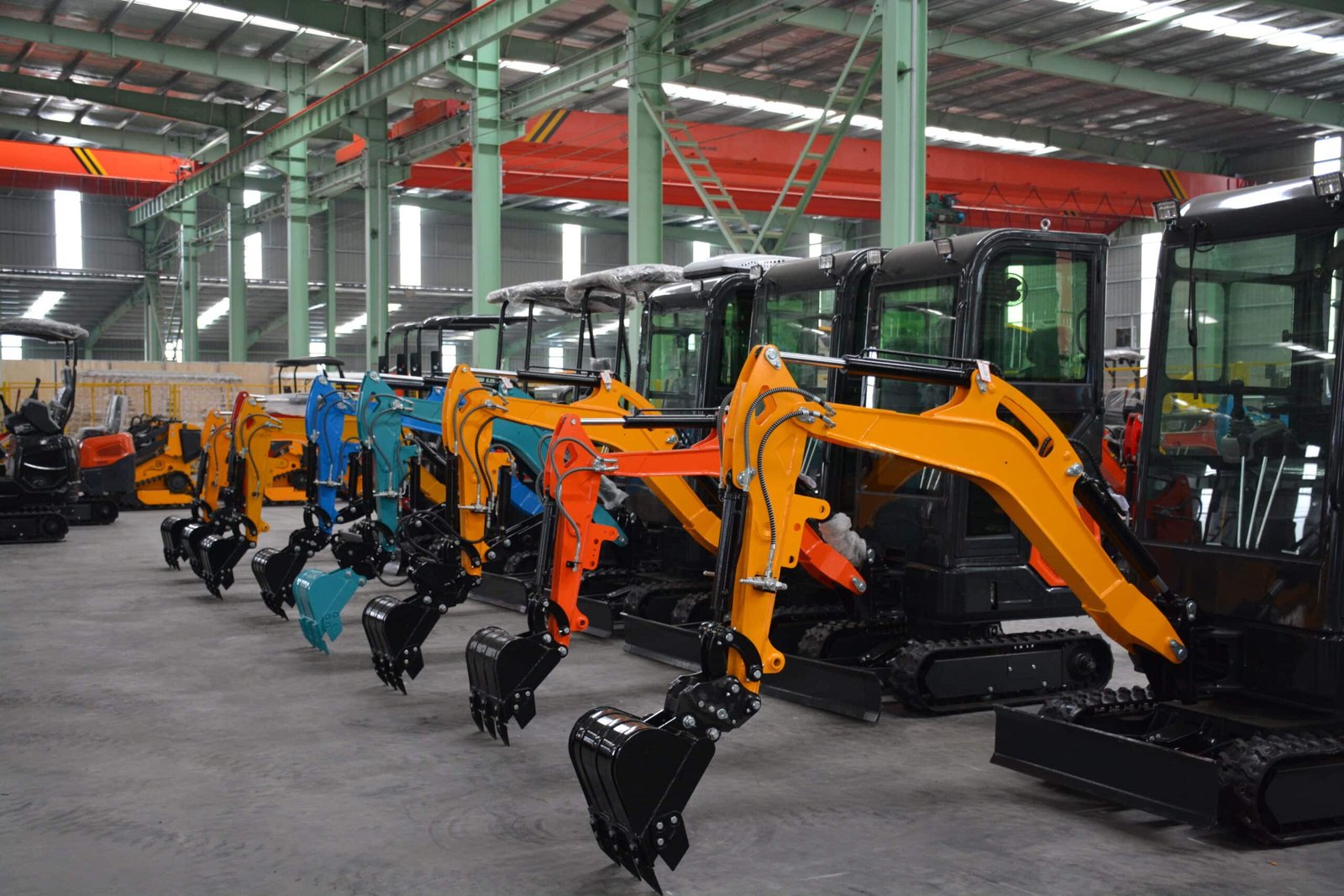
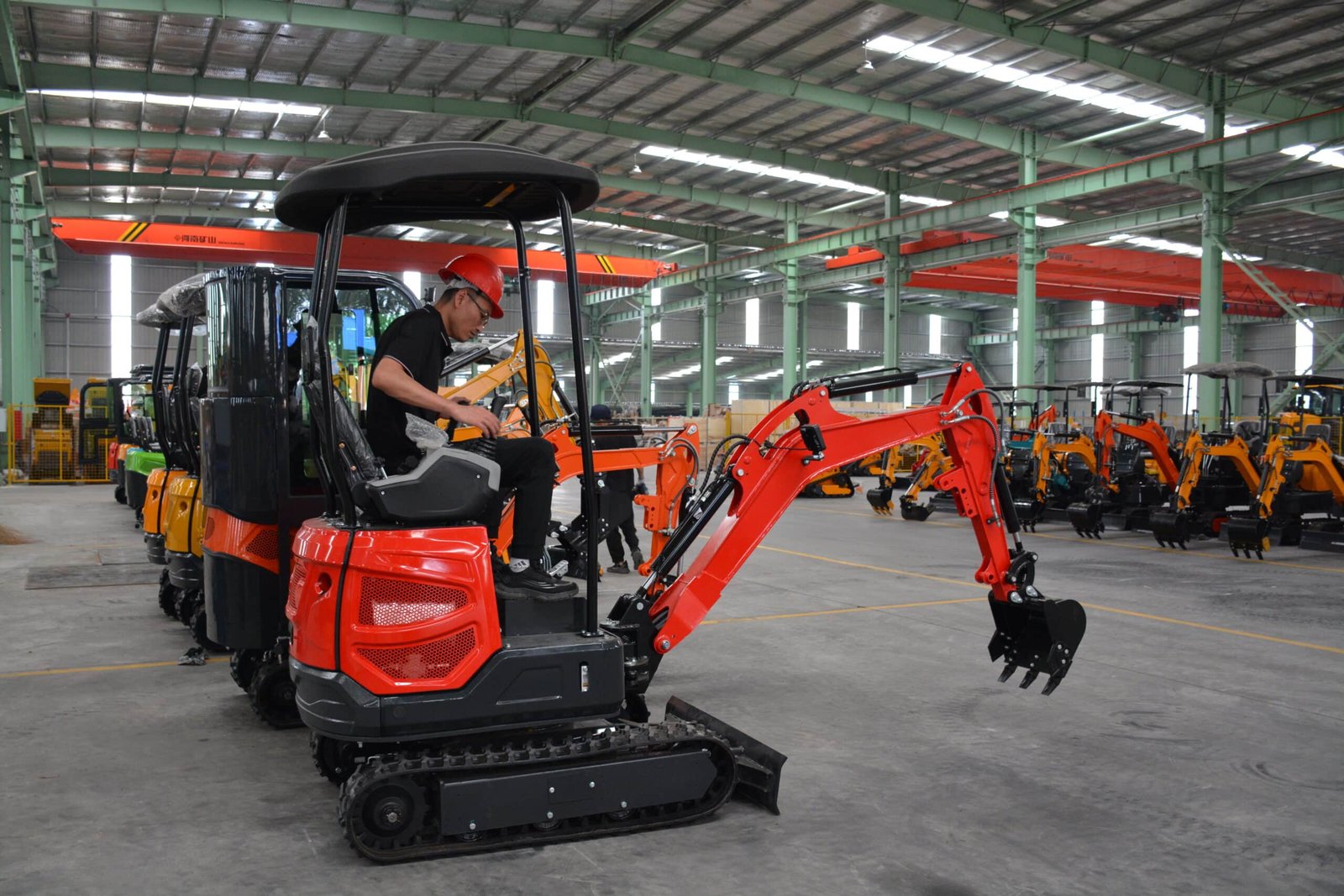
This is why experienced buyers care about factory background, not just catalog photos. A real manufacturer with stable production, practical design experience, and export understanding is generally a safer choice than a supplier that mainly focuses on appearance and sales language.
10. Why Brands Like Nicosail Get Attention in This Market
In residential equipment, buyers want a machine that is simple, useful, and dependable. They are not looking for unnecessary complexity. They want something that starts, works, and keeps working.
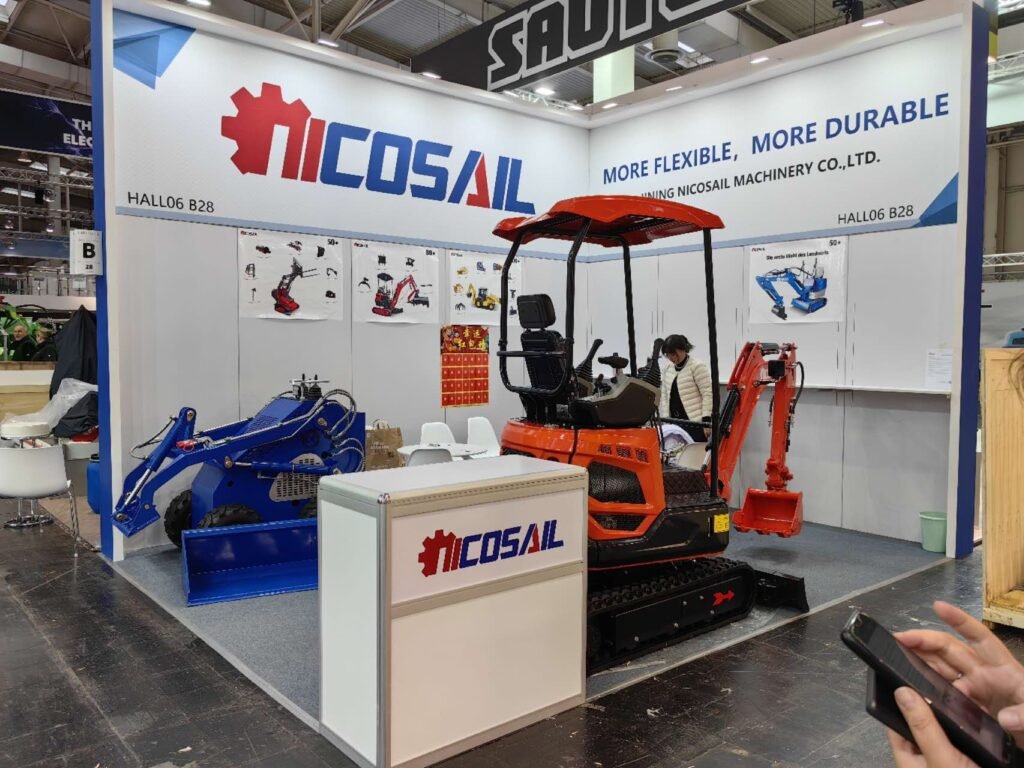
That is one reason brands like Nicosail get attention from buyers in Europe, North America, and Australia. The appeal is not only about compact size or competitive pricing. It is also about offering machines that match real job needs in the field: easy access, practical attachments, stable operation, and configuration options that make sense for export markets.
For dealers and importers, that kind of product positioning matters. Residential customers usually do not buy based on technical jargon alone. They buy when the machine clearly solves daily work problems. A good supplier understands that and supports the customer with realistic machine choices, clear communication, and dependable documentation.
That said, smart buyers should always evaluate any brand the same way. Look at the machine. Look at the factory consistency. Look at support. Look at whether the product is designed for real use, not just for online listing photos. A trustworthy brand is one that reduces risk before and after the sale.
11. FAQ
What size mini excavator is best for residential work?
For many residential contractors, the 1.5 to 2 ton class is the most balanced choice. It is compact enough for access, but strong enough for trenching, footing work, and general site preparation.
Can a mini excavator dig house foundations?
Yes, for small residential foundations, extensions, garages, garden rooms, and similar projects, a mini excavator is often a very practical option. The key is choosing the right size and bucket setup.
Will a mini excavator damage lawns and driveways?
Any machine can damage soft ground if used carelessly, but mini excavators generally create far less surface damage than larger excavators because of their lighter weight and compact design.
Are mini excavators only for landscaping?
Not at all. They are widely used for utility trenching, drainage, stump removal, driveway preparation, small demolition, and foundation work.
Which attachments are most useful for residential jobs?
The most useful ones are usually a standard digging bucket, trenching bucket, grading bucket, hydraulic breaker, and auger. A grapple and ripper can also be very useful depending on the job mix.
Are compact machines powerful enough for contractors?
Yes, if the machine is matched to the job type. A well-built mini excavator can be highly productive on residential sites because it trades unnecessary size for better access and control.
What should importers or dealers check before buying?
They should check factory consistency, spare parts support, certification authenticity, communication speed, lead times, and whether the machine configuration suits their local market.
Why do residential customers care so much about machine smoothness?
Because these jobs are often close to walls, fences, paving, landscaping, and utility lines. Smooth hydraulic control helps the operator work accurately and avoid damage.
12. Final Thoughts
Mini excavators have earned their place in residential work because they solve real site problems. They fit tight spaces, reduce manual labor, protect finished areas better than larger machines, and handle a wide range of tasks from basic gardening work to serious foundation preparation.
That is what makes them such a complete solution. They are not just for digging holes. They support site clearing, trenching, grading, demolition, stump removal, utility installation, footing excavation, and final cleanup. On a residential project, that kind of flexibility is hard to beat.
For buyers, the smart decision is not just choosing a small machine. It is choosing the right small machine. Focus on access, stability, hydraulic smoothness, attachment flexibility, parts support, and real factory reliability. Those points matter more than flashy claims.
For dealers, rental companies, contractors, and property owners alike, a well-matched mini excavator can become one of the most useful machines in the fleet. And when the machine comes from a dependable supplier with practical export experience, such as Nicosail, the buying decision becomes easier and safer.
In residential work, the best machine is usually the one that can do more than one job, enter more than one site, and keep working without drama. That is exactly why mini excavators continue to grow in demand—from the first garden trench all the way to the final foundation cut.